
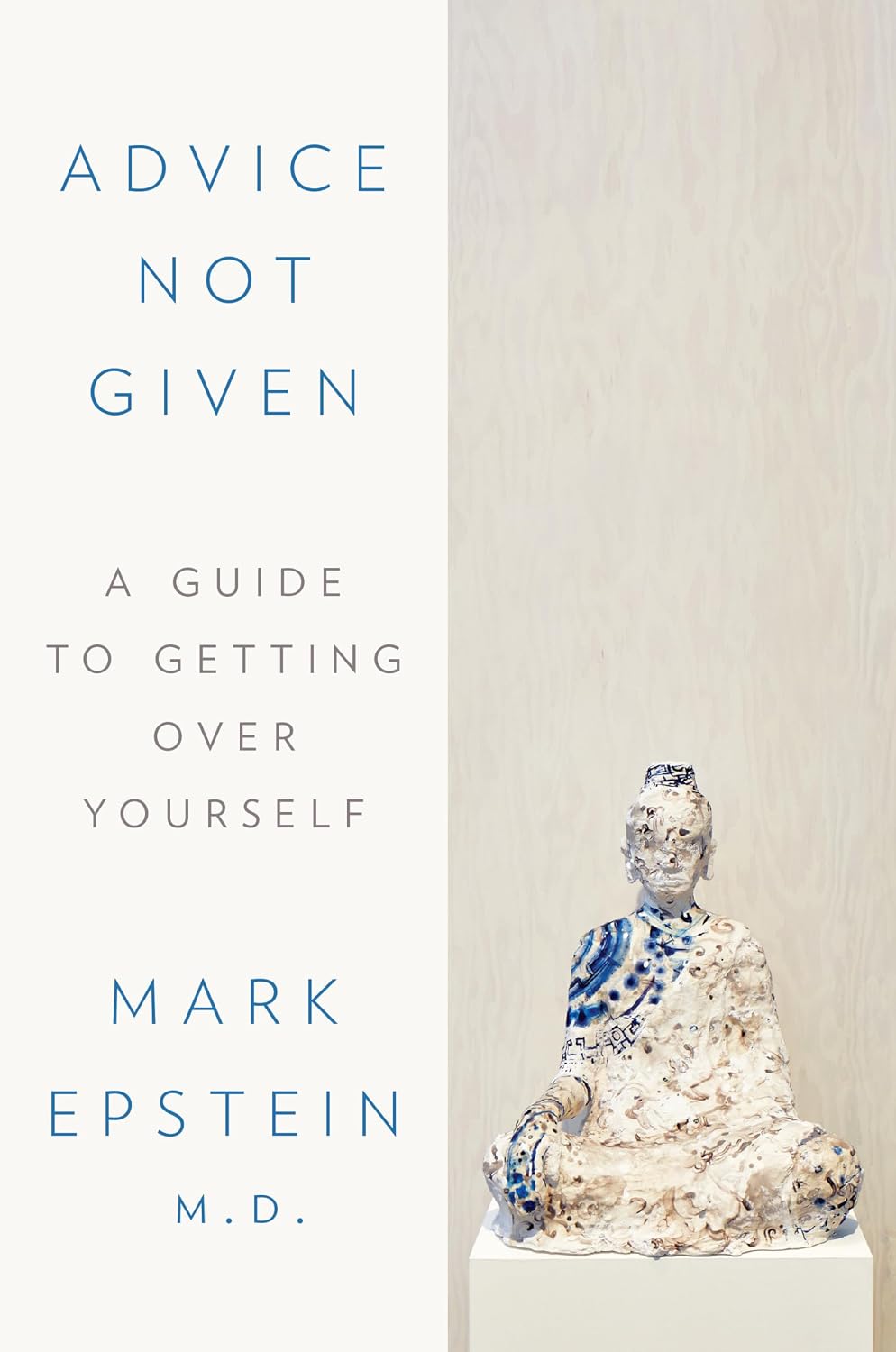
Advice Not Given Summary
By Mark Epstein
A Guide to Getting Over Yourself
Summary preview
Most of us think advice should make life easier. We want a clear answer, a better plan, a wiser voice that can tell us how to stop hurting. But the strange truth at the heart of this book is that the advice we most need is often the kind no one can simply hand us. The deepest lessons arrive sideways. They come through disappointment, longing, heartbreak, shame, desire, failure, and the stubborn mystery of being a self who cannot fully control the mind. Advice Not Given takes one of Buddhism’s most famous texts, the Tibetan lojong slogans, and brings them down from the altar and into the messy rooms where people actually live. It asks what these teachings have to say not to monks in isolation, but to parents, lovers, therapists, patients, and anyone trying to remain open in a world that bruises them. Mark Epstein approaches these teachings not as a preacher but as a fellow struggler. He is both psychiatrist and longtime Buddhist practitioner, and that double vision shapes every page. He understands the psyche’s defenses, its wounds and habits, but he also trusts the contemplative insight that freedom begins when we stop trying so hard to protect ourselves from pain. The slogans he explores are short, almost cryptic pieces of guidance, but they are not meant to give you a sloganized life. They are meant to interrupt the normal machinery of ego, the constant effort to secure, justify, attack, cling, and avoid. They point toward a way of meeting experience with more tenderness and less fear. The book circles around a few central recognitions. Suffering is unavoidable, but it need not harden us. The self we defend so fiercely is less solid than we imagine. Aggression turned inward or outward only deepens our imprisonment. Compassion is not a moral performance but a natural capacity that appears when we loosen our grip. Even our most difficult feelings, envy, rage, humiliation, grief, erotic longing, can become part of the path if we stop treating them as proof that something has gone wrong. Again and again, the book returns to the practice of turning toward what hurts. Not to wallow in it, and not to explain it away, but to discover that our pain links us to everyone else. This is where the lojong teachings come alive. They are practical, unsettling, playful, and deeply humane. They ask for courage, but not perfection. They offer no fantasy of becoming invulnerable. Instead they suggest something far more intimate and liberating. Let the broken heart teach you. Let the difficulty soften you. Let the very places you hide become the places where wisdom starts to breathe. That is the spirit that carries this whole book.
Sign up to continue reading
Get access to full book summaries, audio of the summaries, and many more.
Similar Books
Books with a similar vibe—explore more like this.

The Screwtape Letters
C.S. Lewis
Letters from a Senior to a Junior Devil
4.8 (47) mins

The Brothers Karamazov
Fyodor Dostoyevsky
A Tragic Murder Mystery on the Burden of Free Will and Morality
4.5 (729)21 mins
The Righteous Mind
Jonathan Haidt
Why Good People Are Divided by Politics and Religion
4.4 (673)35 mins
Letting Go
David R. Hawkins
The Pathway of Surrender
4.4 (1029)21 mins
The Road Back to You
Ian Morgan Cron & Suzanne Stabile
An Enneagram Journey to Self-Discovery
4.4 (639)25 mins
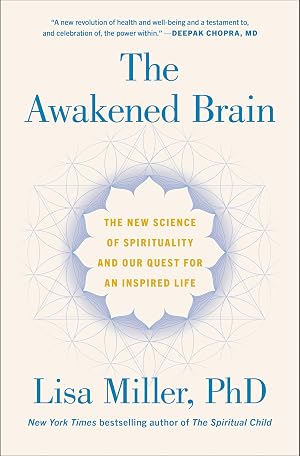
The Awakened Brain
Lisa Miller
The New Science of Spirituality and Our Quest for an Inspired Life
4.4 (199)24 mins
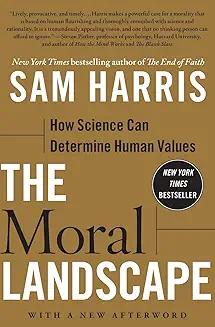
The Moral Landscape
Sam Harris
How Science Can Determine Human Values
3.9 (693)25 mins
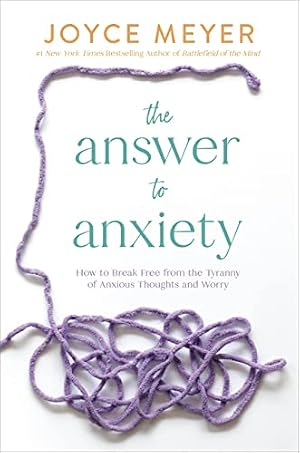
The Answer to Anxiety
Joyce Meyer
How to Break Free from the Tyranny of Anxious Thoughts and Worry
2.8 (41) mins
The Yoga Sutras of Patanjali
Translated and commentated on by Sri Swami Satchidananda
Timeless Teachings for Mind, Body, and Emotional Harmony
4.8 (320)32 mins
Sovereign Self
Acharya Shunya
Claim Your Inner Joy and Freedom with the Empowering Wisdom of the Vedas, Upanishads, and Bhagavad Gita
4.8 (114) mins