
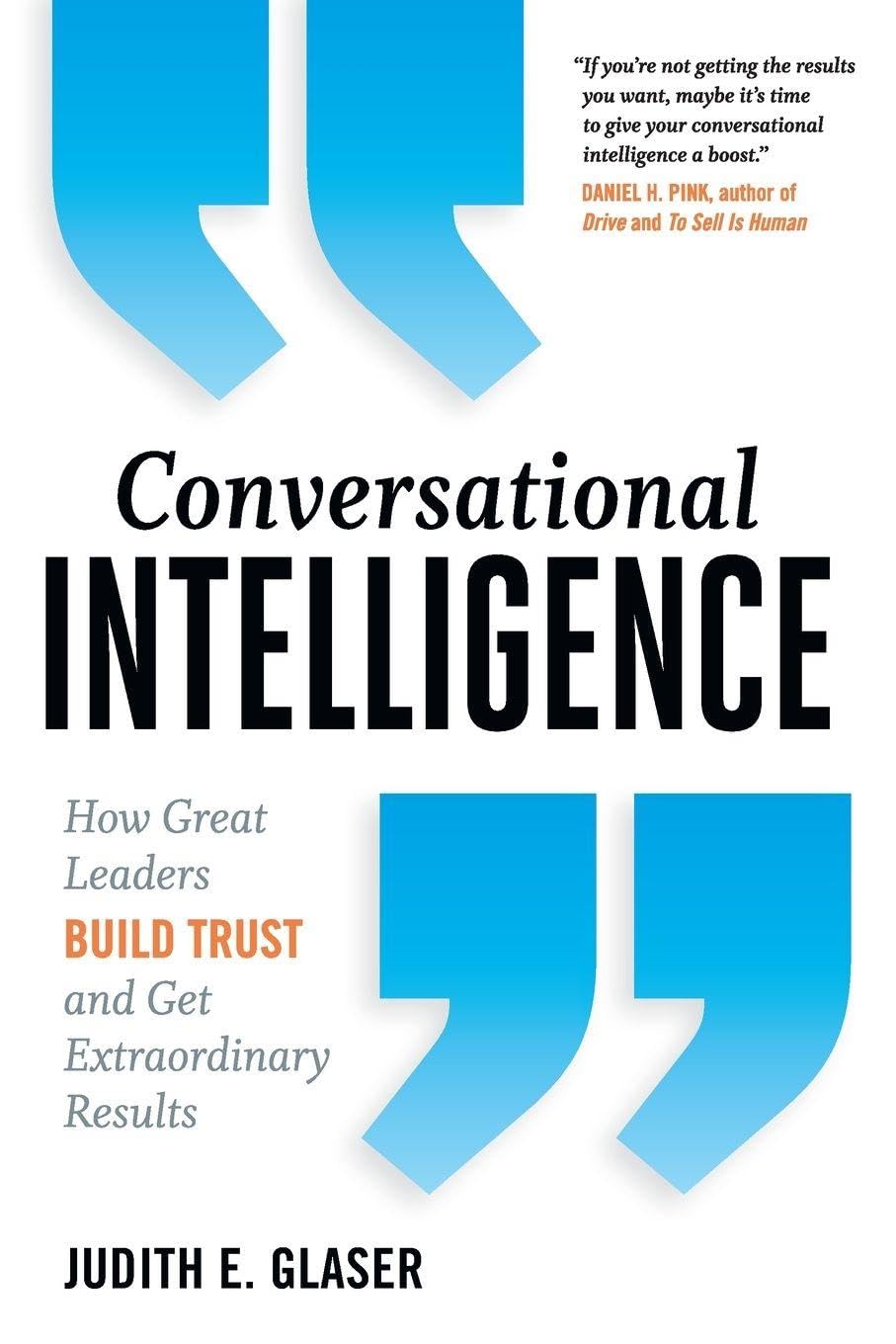
Conversational Intelligence Summary
By Judith E. Glaser
How Great Leaders Build Trust and Get Extraordinary Results
Summary preview
What if every conversation you have is doing much more than exchanging words? What if it is shaping trust, changing the chemistry in your brain, opening people up, or shutting them down? That is the heart of Conversational Intelligence. Judith E. Glaser invites you to see talk in a completely new way. She asks you to stop treating conversation as a soft skill and begin treating it as a force that builds relationships, drives business results, and even rewires the human brain. At the center of the book is a simple but powerful truth. Conversations create reality. The words we choose, the questions we ask, the assumptions we carry, and the way we listen all affect whether people feel safe, guarded, inspired, defensive, connected, or alone. When people feel threatened, even in subtle ways, they move into self protection. They hold back information, defend their views, and miss chances to create something better together. When people feel trust, they become more open, honest, creative, and willing to collaborate. The difference between these two states is not abstract. It is biological, emotional, and practical all at once. The book weaves together neuroscience, leadership wisdom, and real business stories to show how this works. You are introduced to the idea that your brain is always scanning for danger or opportunity. A poorly handled conversation can trigger fear and activate old habits of control, certainty, and judgment. A well handled one can release the conditions for partnership, mutual success, and innovation. This is why some teams struggle even when everyone is talented, while others do extraordinary work with fewer resources. The conversation itself becomes the turning point. The purpose here is not just to help you speak more politely or listen a little better. It is to help you become conscious of the invisible patterns inside everyday exchanges. You begin to notice why some meetings feel dead on arrival, why certain leaders inspire loyalty while others create silence, and why trust can be built or broken in minutes. You also begin to see that conversational intelligence is not reserved for executives or experts. It is something every human being can develop. As you move through the book, you learn how trust is formed, how mistrust spreads, why certainty can block growth, how to ask questions that open doors, and how to shift from telling people what to do into creating shared understanding. The message is hopeful and demanding at the same time. We are not trapped by old communication habits. We can change them. And when we do, we do not just improve conversations. We transform the quality of our relationships, our work, and the future we create together.
Sign up to continue reading
Get access to full book summaries, audio of the summaries, and many more.
Similar Books
Books with a similar vibe—explore more like this.
Distancing
L. David Marquet, Michael A. Gillespie
How Great Leaders Reframe to Make Better Decisions
4.7 (22) mins
Say What They Can't Unhear
Tamsen Webster
The 9 Principles of Lasting Change
4.5 (212)32 mins
Negotiation Made Simple
John Lowry
A Practical Guide for Solving Problems, Building Relationships, and Delivering the Deal
4.5 (517)20 mins
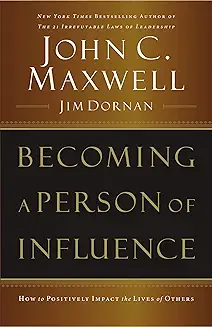
Becoming a Person of Influence
John C. Maxwell, Jim Dornan
How to Positively Impact the Lives of Others
4.5 (365)18 mins
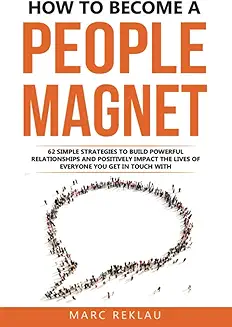
How to Become a People Magnet
Marc Reklau
62 Simple Strategies to Build Powerful Relationships and Positively Impact the Lives of Everyone You Get in Touch with
4.5 (494)26 mins

From Conflict to Courage
Marlene Chism
How to Stop Avoiding and Start Leading
4.5 (3) mins
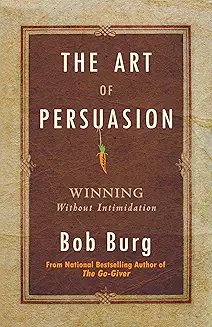
The Art of Persuasion
Bob Burg
Winning Without Intimidation
4.4 (186)26 mins

Working with Emotional Intelligence
Daniel Goleman
The Crucial Role of emotional Intelligence in the Workplace
4.4 (556)23 mins
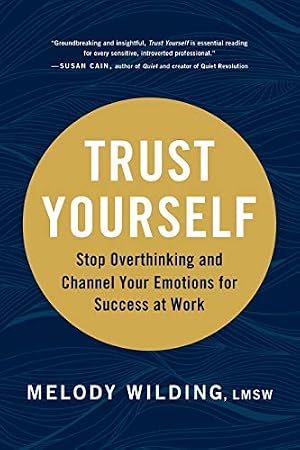
Trust Yourself
Melody Wilding
Stop Overthinking and Channel Your Emotions for Success at Work
4.4 (25) mins
Collaborating with the Enemy
Adam Kahane
How to Work with People You Don't Agree with or Like or Trust
4.4 (14) mins