
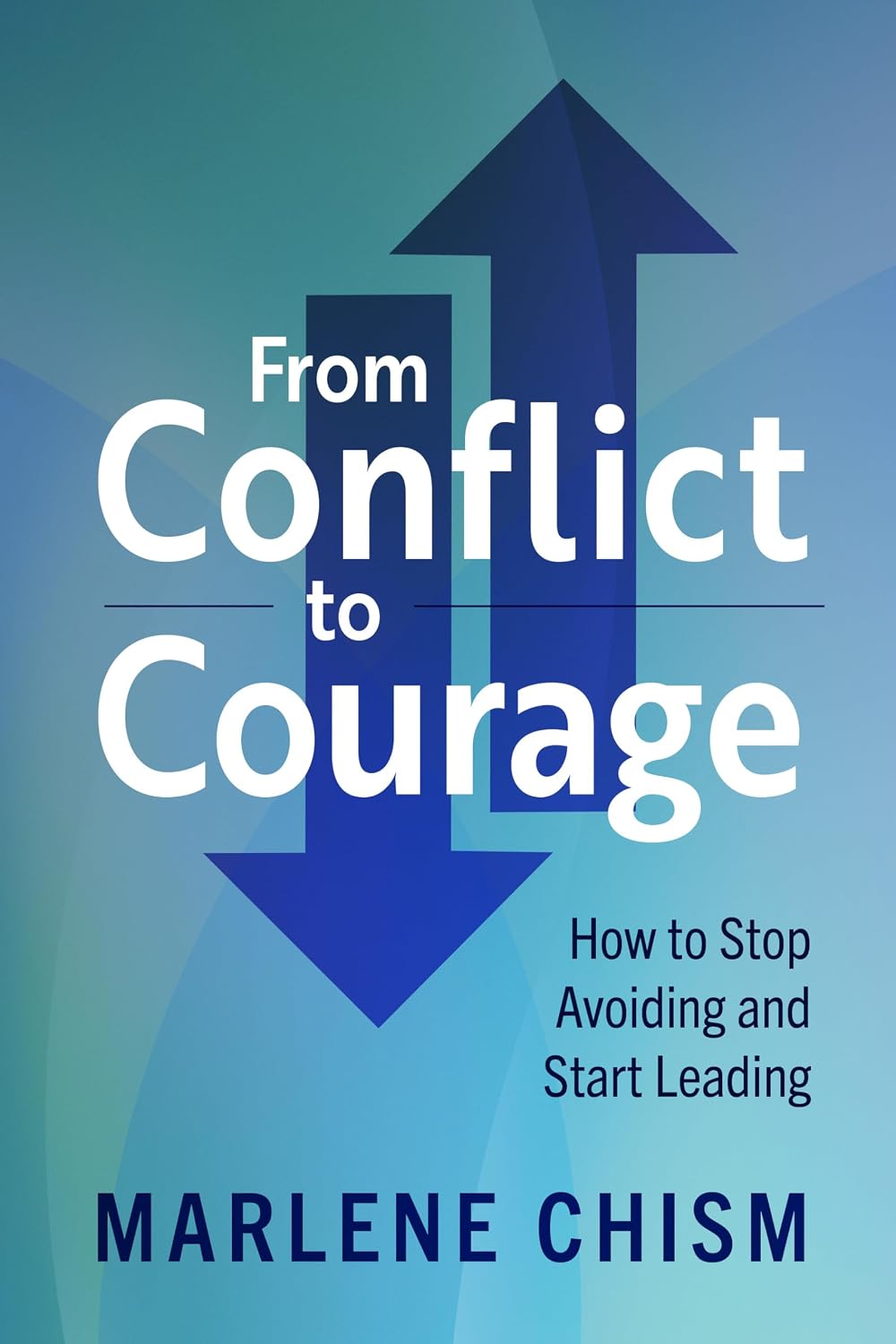
From Conflict to Courage Summary
By Marlene Chism
How to Stop Avoiding and Start Leading
Summary preview
Most people do not fear conflict because they are weak. They fear it because conflict feels risky. It can cost approval, comfort, belonging, and sometimes even a paycheck. So we stay quiet when we should speak. We smooth things over when something needs to be named. We tell ourselves we are keeping the peace, but what we are often keeping alive is resentment, confusion, gossip, and a slow leak of trust. That is the heart of From Conflict to Courage. It is not really a book about fighting better. It is a book about becoming the kind of person who can tell the truth without losing themselves. Marlene Chism builds this message around a simple but demanding idea. Courage is not the absence of fear. Courage is the willingness to face discomfort in service of something better. Better relationships. Better leadership. Better workplaces. Better self respect. The book asks you to stop seeing conflict as an interruption to real life and start seeing it as one of the main places where character is formed. Every avoided conversation has a cost. Every clear and respectful conversation has power. The book speaks especially to people at work, because the workplace is full of tension that often gets disguised as policy problems, communication problems, or personality clashes. A boss avoids holding someone accountable. A team member complains to everyone except the person involved. A leader thinks being nice means never disappointing anyone. A high performer grows cynical because standards are unclear and issues are never addressed. These situations are common, but they are not harmless. Left alone, they create what the book treats as emotional clutter. You cannot build a healthy culture on top of avoidance. What makes this approach stand out is that it does not begin by trying to fix other people. It begins with you. How do you show up when emotions run high. What story are you telling yourself. Where are your boundaries weak. How often do you look outside yourself for someone to blame rather than looking inward for the courage to act. The book keeps returning to personal responsibility, not in a harsh or shaming way, but in a freeing way. If you cannot control others, then the only useful starting point is your own thinking, your own words, and your own choices. Marlene Chism also brings a practical tone to the whole journey. This is not abstract advice. It is grounded in real conversations, common workplace scenes, and memorable distinctions between drama and leadership, between reacting and responding, between emotional comfort and ethical clarity. You are invited to notice where you have become trapped in patterns that feel familiar but do not serve you. Then you are shown how to replace those patterns with language, boundaries, and habits that support mature action. So the book moves from awareness to action. It shows why conflict feels so loaded, how people become entangled in emotional triangles, why gossip and rescuing make things worse, and how honest dialogue becomes...
Sign up to continue reading
Get access to full book summaries, audio of the summaries, and many more.
Similar Books
Books with a similar vibe—explore more like this.
Distancing
L. David Marquet, Michael A. Gillespie
How Great Leaders Reframe to Make Better Decisions
4.7 (22)24 mins
Say What They Can't Unhear
Tamsen Webster
The 9 Principles of Lasting Change
4.5 (212)32 mins
Negotiation Made Simple
John Lowry
A Practical Guide for Solving Problems, Building Relationships, and Delivering the Deal
4.5 (517)20 mins
Becoming a Person of Influence
John C. Maxwell, Jim Dornan
How to Positively Impact the Lives of Others
4.5 (365)18 mins
How to Become a People Magnet
Marc Reklau
62 Simple Strategies to Build Powerful Relationships and Positively Impact the Lives of Everyone You Get in Touch with
4.5 (494)26 mins
The Art of Persuasion
Bob Burg
Winning Without Intimidation
4.4 (186)26 mins
Working with Emotional Intelligence
Daniel Goleman
The Crucial Role of emotional Intelligence in the Workplace
4.4 (556)23 mins
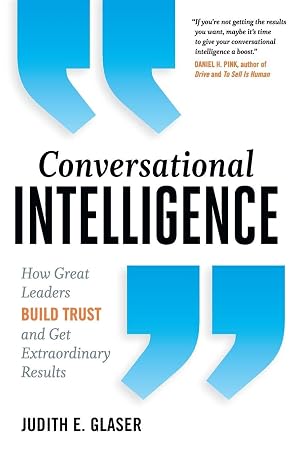
Conversational Intelligence
Judith E. Glaser
How Great Leaders Build Trust and Get Extraordinary Results
4.4 (14)21 mins
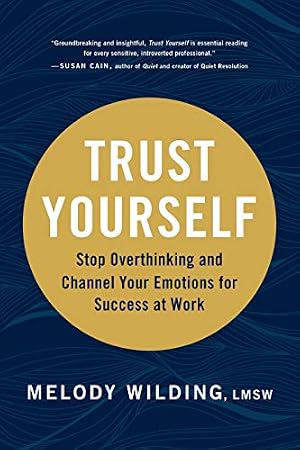
Trust Yourself
Melody Wilding
Stop Overthinking and Channel Your Emotions for Success at Work
4.4 (25)24 mins
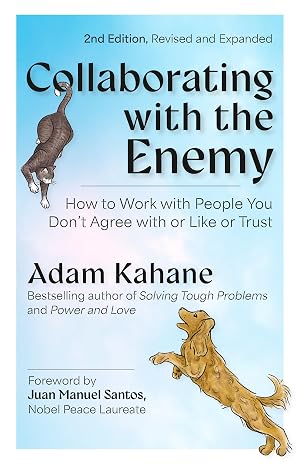
Collaborating with the Enemy
Adam Kahane
How to Work with People You Don't Agree with or Like or Trust
4.4 (14)22 mins