
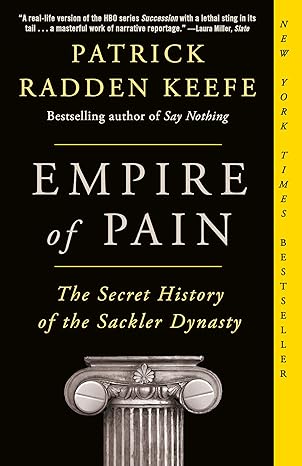
Empire of Pain
By Patrick Radden Keefe
The Secret History of the Sackler Dynasty
Introduction
Empire of Pain is a family saga, a business story, a cultural history, and a crime narrative folded into one long, unsettling account of how enormous wealth can shape what a society is willing to see and what it prefers to ignore. Patrick Radden Keefe tells the story of the Sackler dynasty, the family whose name came to hang in museums, universities, and great cultural institutions around the world, even as one branch of that family made a fortune from OxyContin, the painkiller that became deeply entangled with the opioid epidemic in the United States. At first glance, it can look like a story about philanthropy and success. The Sacklers were known as patrons of art and learning. Their name appeared on wings, galleries, and medical schools. They cultivated a public image of refinement, generosity, and intelligence. But beneath that polished surface lies another story, one built on secrecy, aggressive marketing, family control, and a relentless drive for profit. The book asks a simple but devastating question. What happens when pain itself becomes a marketplace, and when the people selling relief learn how to turn suffering into a business model? To answer that, the narrative begins long before OxyContin. It reaches back to the origins of the family and especially to the figure of Arthur Sackler, a pioneering and troubling genius in pharmaceutical advertising. He helped transform the way drugs were sold in America. He understood that if you could shape the beliefs of doctors, you could shape the behavior of the whole medical system. That insight would echo across decades. It would eventually be harnessed by Purdue Pharma, the company run by later Sacklers, to sell OxyContin as a breakthrough pain treatment with supposedly low risk of addiction. What makes the book so gripping is that it never lets the family remain a symbol. It makes them specific, intimate, and human. We see sibling rivalries, personal vanities, inherited myths, and old resentments. We see people who wanted admiration and control, who prized privacy while seeking prestige. And we see how those traits shaped the decisions of a corporation whose product spread into towns, hospitals, medicine cabinets, courtrooms, and morgues. This is not just a chronicle of wrongdoing. It is a study of how respectable institutions can be built with tainted money, how language can soften moral reality, and how power can outlast shame. It moves from boardrooms to addiction clinics, from family homes to congressional hearings, from marble museum halls to devastated communities. By the time the story unfolds fully, the title itself feels exact. This is an empire made from pain, protected by money, and haunted by the human cost hidden behind a famous name.
Sign up to continue reading
Get access to full book summaries, audio of the summaries, and many more.
Similar Books
Books with a similar vibe—explore more like this.
She Said
Jodi Kantor & Megan Twohey
Breaking the Sexual Harassment Story that Helped Ignite a Movement
4.7 (1082)32 mins
G-Man
Beverly Gage
J. Edgar Hoover and the Making of the American Century
4.6 (892)25 mins

Long Walk to Freedom
Nelson Mandela
The Autobiography of Nelson Mandela
4.6 (1038)39 mins

Know My Name
Chanel Miller
A Memoir
4.6 (1293)32 mins
Alexander Hamilton
Ron Chernow
The bestselling inspiration for the hit Broadway musical
4.5 (720)36 mins
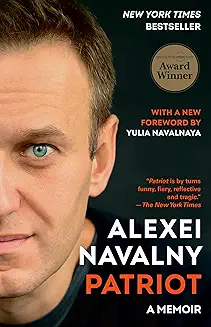
Patriot
Alexei Navalny
A Memoir
4.5 (649)23 mins

Finding Me
Viola Davis
A Memoir
4.5 (1238)16 mins
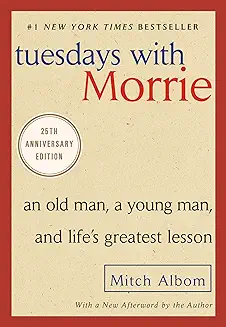
Tuesdays with Morrie
Mitch Albom
An Old Man, a Young Man, and Life's Greatest Lesson
4.5 (820)20 mins
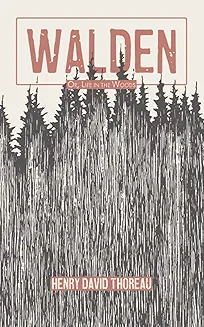
Walden
Henry David Thoreau
Life in the Woods
4.5 (883)31 mins
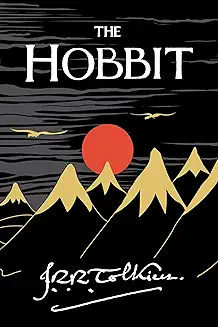
The Hobbit
J.R.R. Tolkien
A Journey Through Middle Earth A Lord of the Rings Prequel
4.5 (489)37 mins