

G-Man
By Beverly Gage
J. Edgar Hoover and the Making of the American Century
Introduction
G Man is the story of a man who spent nearly half a century shaping the hidden machinery of American power, and of a country that kept asking him to do more. At its center stands J. Edgar Hoover, not as a flat villain from popular memory, nor as a simple hero of law and order, but as a figure woven deeply into the rise of modern America. What makes the book so gripping is that it treats Hoover not as an oddity standing outside the nation, but as one of its clearest creations. His fears were American fears. His ambitions matched the country’s own hunger for order, control, and greatness. His methods, however troubling, often grew from demands the public itself endorsed. Beverly Gage begins with a simple but unsettling question. How did one unelected official become one of the most durable and powerful figures in Washington, surviving presidents, wars, scandals, and vast political change? The answer is not just personal cunning, though Hoover had plenty of that. It lies also in institutions, in media, in race and class politics, in the history of reform, and in the recurring American desire to find enemies within. Hoover built the FBI into a symbol of clean modern government while also turning it into a tool for surveillance, intimidation, and political policing. He was both bureaucrat and celebrity, master file keeper and master storyteller. The book follows him from his childhood in Washington through his early work during the Red Scare after the First World War, into the famous gangster years of the 1930s, through the vast national security state of the Second World War and the Cold War, and finally into the upheavals of civil rights, Black protest, student rebellion, and Vietnam. Again and again, he appears at moments when the nation is frightened, divided, or uncertain about freedom itself. Again and again, he offers certainty. He offers discipline, facts, dossiers, expert authority, and a relentless promise that someone is watching. Yet this is not only the life of one man. It is also a portrait of a country making peace with extraordinary state power. The book shows how ideas about masculinity, patriotism, morality, and whiteness shaped federal law enforcement. It shows how Hoover’s public image as a sober guardian stood beside a private world of secrecy, political manipulation, and deep emotional dependency, especially in his bond with Clyde Tolson. It shows how liberal reform could slide into repression, how anti radicalism could become a permanent habit, and how the language of security could swallow dissent. By the time you finish, Hoover feels less like a relic and more like a warning. The story asks what citizens are willing to trade for safety, who gets marked as dangerous, and why powerful institutions so often outlive the crises that created them. This is a biography, yes, but it is also a long mirror held up to the American century.
Sign up to continue reading
Get access to full book summaries, audio of the summaries, and many more.
Similar Books
Books with a similar vibe—explore more like this.
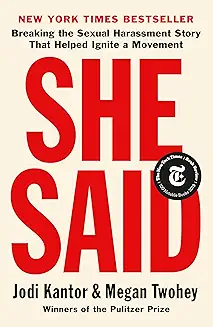
She Said
Jodi Kantor & Megan Twohey
Breaking the Sexual Harassment Story that Helped Ignite a Movement
4.7 (1082)32 mins
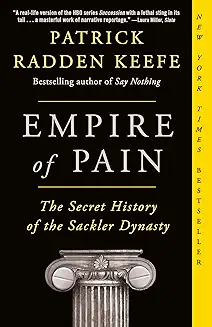
Empire of Pain
Patrick Radden Keefe
The Secret History of the Sackler Dynasty
4.6 (1038)26 mins

Long Walk to Freedom
Nelson Mandela
The Autobiography of Nelson Mandela
4.6 (1038)39 mins

Know My Name
Chanel Miller
A Memoir
4.6 (1293)32 mins
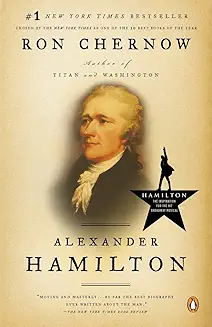
Alexander Hamilton
Ron Chernow
The bestselling inspiration for the hit Broadway musical
4.5 (720)36 mins

Patriot
Alexei Navalny
A Memoir
4.5 (649)23 mins

Finding Me
Viola Davis
A Memoir
4.5 (1238)16 mins
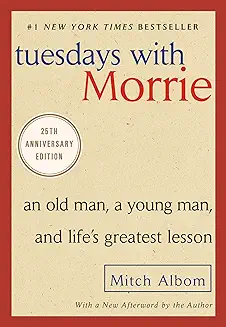
Tuesdays with Morrie
Mitch Albom
An Old Man, a Young Man, and Life's Greatest Lesson
4.5 (820)20 mins

Walden
Henry David Thoreau
Life in the Woods
4.5 (883)31 mins

The Hobbit
J.R.R. Tolkien
A Journey Through Middle Earth A Lord of the Rings Prequel
4.5 (489)37 mins