
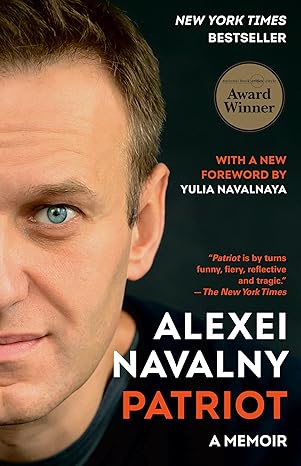
Introduction
Patriot is a book about a life that refused to bend. It is about growing up in the late Soviet world, learning very early that power often lies, and deciding that truth matters anyway. It is also about love, fear, absurdity, prison, and the stubborn belief that your country does not belong to the people who rule it badly. What runs through every page is a simple idea that becomes difficult only because tyrants work so hard to crush it. A normal citizen has the right to live without being robbed, humiliated, poisoned, or silenced. A nation can be honest with itself. A person can choose courage even when courage looks foolish, costly, or hopeless. Alexei Navalny tells this story not like a monument speaking from a pedestal, but like a living person talking across the kitchen table. He can be sharp, funny, irritated, mocking, affectionate, and painfully direct within a few lines. One moment he is describing the gray boredom of official Soviet life, the next he is joking about bureaucrats, and then suddenly he is taking you into the cold reality of repression. That movement matters because it mirrors the country he writes about. Russia is shown not as an abstract political puzzle but as a place full of ordinary people trying to build decent lives while a corrupt state feeds on them. The book follows the path from childhood into political awakening, from law and activism into anti corruption investigations, from street protests into national prominence, and from attempted murder into imprisonment. But it is not just a chronology. It is an argument about moral responsibility. If you see theft presented as government, lies presented as patriotism, and violence presented as order, what do you do next. Look away and adapt. Or speak and accept the consequences. The story insists that silence is not neutrality. It is a gift to those who already have too much power. At the same time, this is not a grim sermon. Again and again, the voice returns to humor, to family, to the ridiculous spectacle of officials pretending obvious facts are not facts. The laughter is not decoration. It is part of resistance. Authoritarian systems depend on fear, but they also depend on making everyone act as if nonsense is normal. To laugh at corruption, to expose it clearly, to show its greed in detail, is to break the spell. What you get, finally, is a portrait of patriotism stripped of official slogans. It is not obedience to the ruler. It is loyalty to the people, to justice, and to the future. Patriot here means loving your country enough to tell the truth about what is being done to it and enough to keep fighting even when the price becomes almost unbearable.
Sign up to continue reading
Get access to full book summaries, audio of the summaries, and many more.
Similar Books
Books with a similar vibe—explore more like this.
She Said
Jodi Kantor & Megan Twohey
Breaking the Sexual Harassment Story that Helped Ignite a Movement
4.7 (1082)32 mins
G-Man
Beverly Gage
J. Edgar Hoover and the Making of the American Century
4.6 (892)25 mins
Empire of Pain
Patrick Radden Keefe
The Secret History of the Sackler Dynasty
4.6 (1038)26 mins

Long Walk to Freedom
Nelson Mandela
The Autobiography of Nelson Mandela
4.6 (1038)39 mins

Know My Name
Chanel Miller
A Memoir
4.6 (1293)32 mins
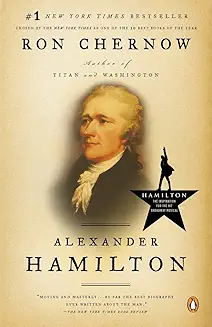
Alexander Hamilton
Ron Chernow
The bestselling inspiration for the hit Broadway musical
4.5 (720)36 mins

Finding Me
Viola Davis
A Memoir
4.5 (1238)16 mins
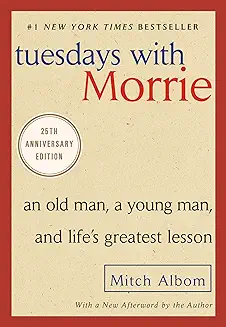
Tuesdays with Morrie
Mitch Albom
An Old Man, a Young Man, and Life's Greatest Lesson
4.5 (820)20 mins
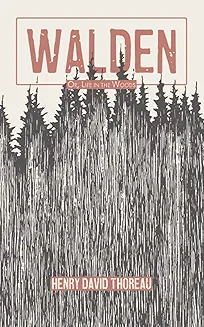
Walden
Henry David Thoreau
Life in the Woods
4.5 (883)31 mins
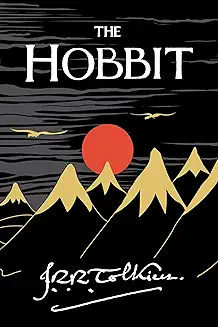
The Hobbit
J.R.R. Tolkien
A Journey Through Middle Earth A Lord of the Rings Prequel
4.5 (489)37 mins