

Long Walk to Freedom
By Nelson Mandela
The Autobiography of Nelson Mandela
Introduction
Long Walk to Freedom is the story of a life shaped by duty, struggle, loss, growth, and an unshakable belief that all people deserve dignity. Nelson Mandela tells it not as a tale of a hero born ready, but as the record of an ordinary person formed by family, custom, injustice, and hard experience. The book begins in the hills and valleys of the Transkei, among cattle, elders, rituals, and stories of African pride. From there it moves into the harsh world of racial rule in South Africa, where every law and custom seemed designed to remind black people that they were strangers in their own land. What gives the memoir its force is that it never treats freedom as a vague dream. It shows, step by step, what it means to seek freedom in the middle of real life, while trying to earn a living, raise children, keep friendships, and survive the heavy hand of the state. At heart, this is a journey from innocence to awareness, and from awareness to action. A boy first learns obedience, respect, and belonging within his own community. A young man then learns that outside that world, race decides where one may live, work, travel, and even love. The pain of that discovery leads him into politics, first cautiously and then completely. He comes to see that freedom is not only personal. It must be shared, or it is not freedom at all. One of the great strengths of the book is the way it ties public events to private cost. Political meetings sit beside moments of tenderness, marriages strain under pressure, children grow up at a distance, comrades are jailed, and every choice demands sacrifice. The memoir is also the story of a nation. Through trials, protests, banning orders, underground work, prison years, and negotiations, we watch the long battle against apartheid from the inside. The writer speaks with candor about mistakes, disagreements, anger, and fear. He does not pretend that courage means the absence of fear. He says plainly, “I learned that courage was not the absence of fear, but the triumph over it.” That spirit runs through the book. Freedom is won not by saints untouched by weakness, but by human beings who persist. What finally shines through is a deep moral vision. The enemy is a system, not a people. Hatred imprisons the hater too. Discipline matters. So does forgiveness. Yet forgiveness is never passive. It is joined to justice, self respect, and the patient building of a country where former enemies must learn to live together. Long Walk to Freedom invites the reader into a life of struggle, but also into a life of hope. It asks what one owes to one’s people, what one can endure for an ideal, and what kind of freedom is worthy of the name.
Sign up to continue reading
Get access to full book summaries, audio of the summaries, and many more.
Similar Books
Books with a similar vibe—explore more like this.
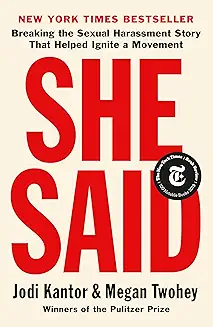
She Said
Jodi Kantor & Megan Twohey
Breaking the Sexual Harassment Story that Helped Ignite a Movement
4.7 (1082)32 mins
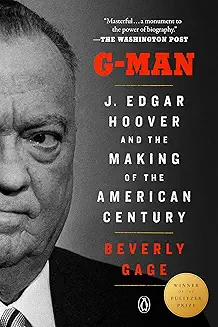
G-Man
Beverly Gage
J. Edgar Hoover and the Making of the American Century
4.6 (892)25 mins
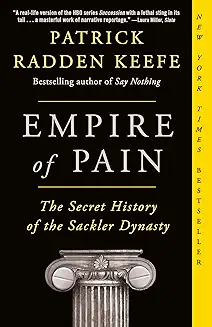
Empire of Pain
Patrick Radden Keefe
The Secret History of the Sackler Dynasty
4.6 (1038)26 mins

Know My Name
Chanel Miller
A Memoir
4.6 (1293)32 mins
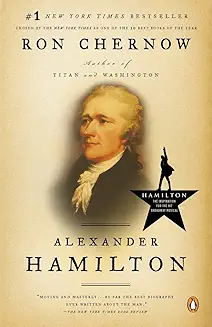
Alexander Hamilton
Ron Chernow
The bestselling inspiration for the hit Broadway musical
4.5 (720)36 mins

Patriot
Alexei Navalny
A Memoir
4.5 (649)23 mins

Finding Me
Viola Davis
A Memoir
4.5 (1238)16 mins
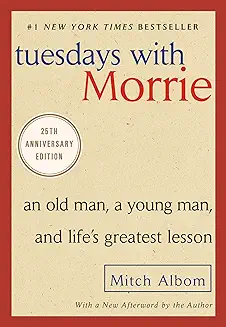
Tuesdays with Morrie
Mitch Albom
An Old Man, a Young Man, and Life's Greatest Lesson
4.5 (820)20 mins

Walden
Henry David Thoreau
Life in the Woods
4.5 (883)31 mins

The Hobbit
J.R.R. Tolkien
A Journey Through Middle Earth A Lord of the Rings Prequel
4.5 (489)37 mins