
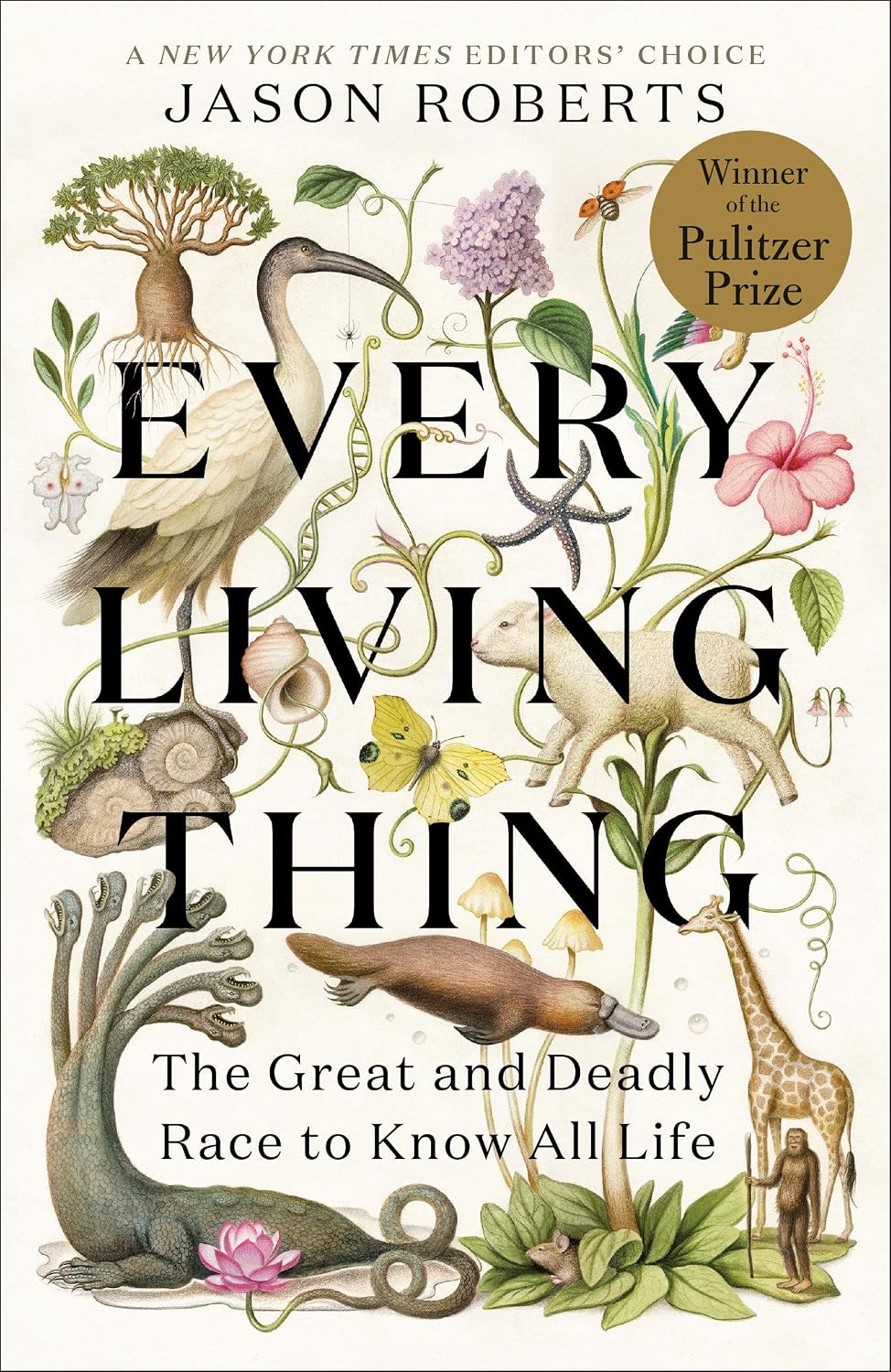
Every Living Thing Summary
By Jason Roberts
The Great and Deadly Race to Know All Life
Summary preview
Every Living Thing is a grand adventure disguised as a history of science. It tells the story of two men who wanted, in their own very different ways, to bring order to the wild abundance of life on Earth. One was Carl Linnaeus, the restless Swedish naturalist who dreamed of naming and arranging all creation into a single clear system. The other was Georges Louis Leclerc, Comte de Buffon, the dazzling French writer and thinker who doubted that life could ever be pressed neatly into little boxes. Between them rose one of the most fascinating intellectual rivalries of the eighteenth century, and from that struggle came much of the way we still think about nature today. Jason Roberts turns what could have been a dry tale of taxonomy into something vivid, human, and often surprising. This is not just a book about plants, animals, and old scientific arguments. It is a book about ambition, ego, curiosity, class, empire, religion, and the deep human urge to make sense of a world that overflows any system we invent for it. The age in which these men lived was bursting with new specimens from voyages, colonies, and trade routes. Strange birds, unknown beasts, unfamiliar flowers, shells, seeds, and fossils poured into Europe faster than anyone could grasp them. Nature was becoming bigger, stranger, and more crowded by the day. The old inherited frameworks no longer seemed enough. At the center of the story lies a thrilling question. How do you describe life when life refuses to stand still. Linnaeus answered with order, naming, ranking, and pattern. Buffon answered with motion, history, variety, and doubt. One sought the clean confidence of categories. The other kept returning to the rough edges, the exceptions, the ways climate, geography, and time could shape living forms. Their conflict was not merely personal, though it certainly became that. It was also a clash between two ways of knowing. Should science carve the world into stable groups, or should it begin from the unruly richness of actual things. The book ranges widely, but it never loses its pulse. We move from muddy Scandinavian fields to glittering Paris salons, from cramped studies and royal gardens to the far reaches of colonial collecting. Along the way, the story gathers an unforgettable supporting cast of students, patrons, explorers, rivals, servants, and specimens themselves. What emerges is a portrait of science as a deeply human enterprise, full of brilliance and blindness, generosity and vanity. By following these two lives side by side, the book shows how the modern natural world was not simply discovered. It was argued over, named, staged, marketed, and imagined.
Sign up to continue reading
Get access to full book summaries, audio of the summaries, and many more.
Similar Books
Books with a similar vibe—explore more like this.
Brain Wash
David Perlmutter
Detox Your Mind for Clearer Thinking, Deeper Relationships, and Lasting Happiness
4.6 (1203)29 mins
Livewired
David Eagleman
The inside story of the Ever-changing brain
4.8 (544)28 mins
Why We Sleep
Matthew Walker
Unlocking the Power of Sleep and Dreams
4.8 (1560)17 mins
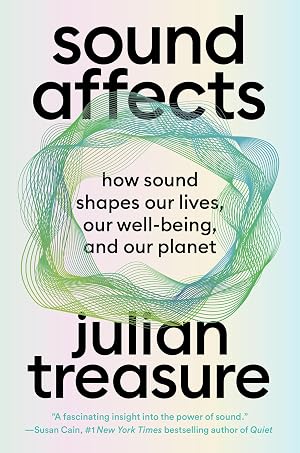
Sound Affects
Julian Treasure
How Sound Shapes Our Lives, Our Wellbeing and Our Planet
4.7 (10)21 mins
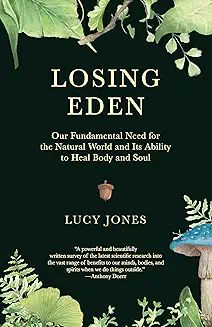
Losing Eden
Lucy Jones
Why Our Minds Need the Wild
4.6 (641)28 mins
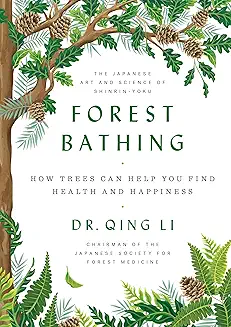
Forest Bathing
Qing Li
How Trees Can Help You Find Health and Happiness
4.6 (285)24 mins
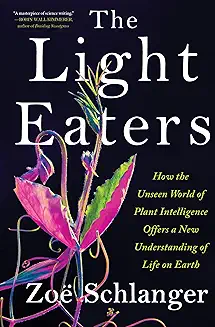
The Light Eaters
Zoë Schlanger
How the Unseen World of Plant Intelligence Offers a New Understanding of Life on Earth
4.6 (527)21 mins
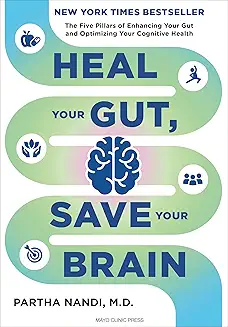
Heal Your Gut, Save Your Brain
Partha Nandi
The Five Pillars of Enhancing Your Gut and Optimizing Your Cognitive Health
4.5 (335)21 mins
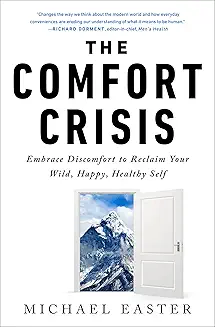
The Comfort Crisis
Michael Easter
Embrace Discomfort to Reclaim Your Wild, Happy, Healthy Self
4.5 (1073)26 mins
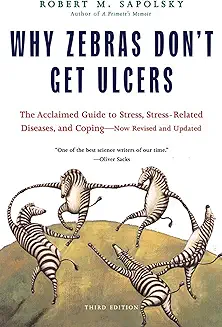
Why Zebras Don't Get Ulcers
Robert M. Sapolsky
The Acclaimed Guide to Stress, Stress-Related Diseases, and Coping
4.5 (1736)33 mins