
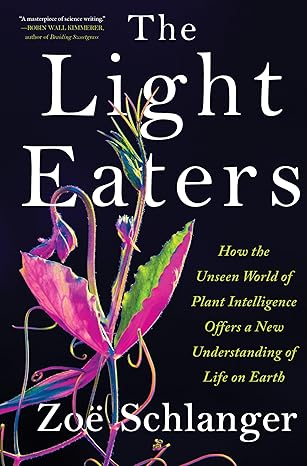
The Light Eaters Summary
By Zoë Schlanger
How the Unseen World of Plant Intelligence Offers a New Understanding of Life on Earth
Summary preview
For a long time, many of us were taught to see plants as scenery. Green background. Silent decoration. Life, yes, but a lesser kind of life. Rooted, passive, automatic. The great invitation of The Light Eaters is to step out of that cramped view and enter a world that is stranger, richer, and much more alive than we imagined. Zoë Schlanger takes us into the fast changing field of plant science, where researchers are uncovering abilities in plants that can feel almost unbelievable at first glance. Memory. Communication. Perception. Cooperation. Defense. Choice like behavior. Not because plants are little green people, and not because they think exactly as animals do, but because life found more than one way to become responsive, creative, and deeply entangled with the world. The book moves with the energy of discovery. It follows scientists in forests, greenhouses, labs, deserts, and remote field sites as they test what plants can do and how they do it. Again and again, old assumptions begin to wobble. A plant under attack can send chemical warnings to its neighbors. Roots can sense and negotiate crowded underground spaces. Some species can distinguish kin from strangers. Others seem able to learn from experience or hold onto information for later use. Networks of fungi connect plants to one another in ways that complicate the old picture of lonely competition. Even the simple act of turning toward light opens onto immense questions about sensation, behavior, and intelligence. What makes the journey so absorbing is that it is not just a parade of clever plant tricks. It is also a reckoning with language. How do we talk about beings whose lives are so unlike our own that our usual words fail us? If we say a plant remembers, are we being precise or playful? If we say it communicates, are we stretching the term too far, or finally using it honestly? The book lingers in that tension. It does not ask us to surrender scientific care for wonder. It asks us to let wonder sharpen care. Running beneath everything is a moral and emotional shift. Once plants stop looking like mute objects, the living world begins to feel more crowded with agency, relationship, and meaning. Forests become conversations. Meadows become negotiations. A houseplant becomes less like furniture and more like a being carrying out a sophisticated way of life right beside us. This matters not only for science but for how we live during a time of ecological loss. If we can learn to see plants more clearly, we may also learn to value the fabric of life more deeply. That is the pulse of this book. It turns the green world from backdrop into presence, and asks us, gently but persistently, to notice.
Sign up to continue reading
Get access to full book summaries, audio of the summaries, and many more.
Similar Books
Books with a similar vibe—explore more like this.
Every Living Thing
Jason Roberts
The Great and Deadly Race to Know All Life
4.8 (7) mins
Brain Wash
David Perlmutter
Detox Your Mind for Clearer Thinking, Deeper Relationships, and Lasting Happiness
4.6 (1203)29 mins
The Rise and Fall of the Dinosaurs
Steve Brusatte
A New History of a Lost World
4.5 (937)27 mins
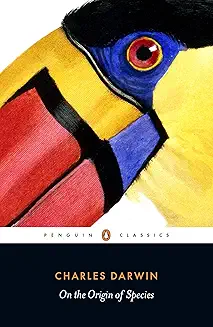
On the Origin of Species
Charles Darwin
By Means of Natural Selection, or the Preservation of Favoured Races in the Struggle for Life
4.5 (784)32 mins
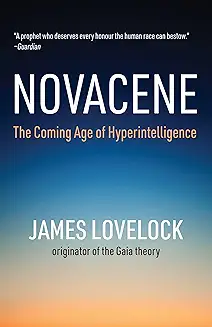
Novacene
James Lovelock
The Coming Age of Hyperintelligence
4.4 (554)25 mins
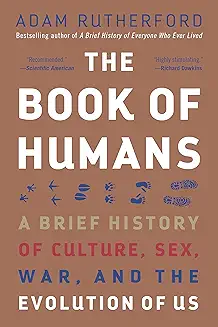
The Book of Humans
Adam Rutherford
A Brief History of Culture, Sex, War and the Evolution of Us
4.4 (627)26 mins
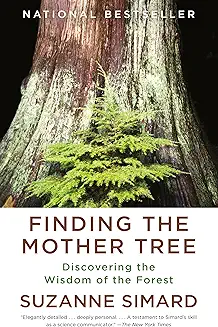
Finding the Mother Tree
Suzanne Simard
Discovering the Wisdom of the Forest
4.3 (351)28 mins
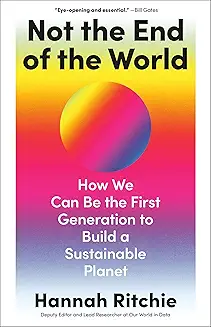
Not the End of the World
Hannah Ritchie
How We Can Be the First Generation to Build a Sustainable Planet
4.3 (263)20 mins
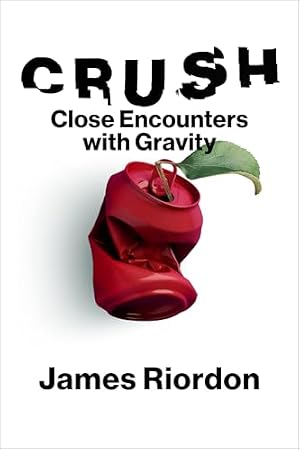
Crush
James Riordon
Close Encounters with Gravity
4.2 (11)20 mins

Guns, Germs, and Steel
Jared Diamond
The Fates of Human Societies
4.1 (347)16 mins