
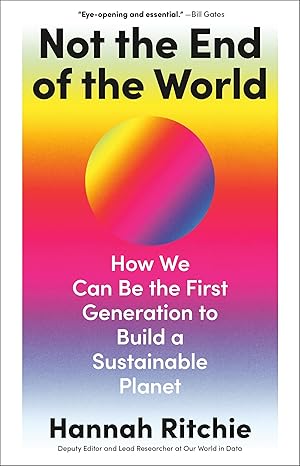
Not the End of the World Summary
By Hannah Ritchie
How We Can Be the First Generation to Build a Sustainable Planet
Summary preview
Open almost any news app and you could be forgiven for thinking the planet is sliding, fast, toward ruin. We hear that the air is poisoned, forests are disappearing, oceans are filling with plastic, species are vanishing, and climate change will make the future unlivable. The emotional pull of these stories is strong. Fear gets attention. Doom feels honest. But the main argument of Not the End of the World is that this picture, while rooted in real problems, is often badly incomplete. The book asks a simple but powerful question. What if, instead of judging the state of the planet by headlines, we looked carefully at the data? Not cherry picked numbers. Not hopeful slogans. Just the best evidence we have over time. When you do that, a more surprising story appears. Many environmental problems are serious, but a lot of them are getting better, not worse. Others are getting worse in some places but can be solved with tools we already have. And in almost every case, progress comes not from despair, but from human ingenuity, better technology, and a willingness to focus on what actually works. Hannah Ritchie writes with the energy of someone who has spent years inside these numbers and still finds them full of wonder. Her message is not that everything is fine. It is that panic is a bad guide. If you believe collapse is inevitable, you stop asking practical questions. If you believe all growth is destruction, you miss the fact that richer societies often learn how to use less land, clean up their air, and protect more of nature. If you think humans only take from the Earth, you miss the other half of the story, which is that humans also invent, restore, substitute, and improve. The book moves through the biggest worries one by one. It looks at air pollution, climate change, deforestation, biodiversity loss, plastics, food, and overconsumption. Again and again, the same pattern shows up. First, there is the popular story, usually dark and sweeping. Then there is the fuller picture, grounded in long term trends and global comparisons. Some things have improved dramatically, such as deadly air pollution in many countries. Some things remain deeply urgent, especially greenhouse gas emissions. But even there, the point is not to relax. It is to aim better. What ties the whole book together is a kind of stubborn, evidence based optimism. Problems created by people can be solved by people. Progress is uneven, often fragile, and never automatic. Still, the future is not fixed. It depends on choices, and good choices begin with seeing the world clearly. That is the invitation here. Not to look away from environmental damage, but to look more carefully, more honestly, and with enough hope to do something useful.
Sign up to continue reading
Get access to full book summaries, audio of the summaries, and many more.
Similar Books
Books with a similar vibe—explore more like this.
Every Living Thing
Jason Roberts
The Great and Deadly Race to Know All Life
4.8 (7) mins
Brain Wash
David Perlmutter
Detox Your Mind for Clearer Thinking, Deeper Relationships, and Lasting Happiness
4.6 (1203)29 mins
The Light Eaters
Zoë Schlanger
How the Unseen World of Plant Intelligence Offers a New Understanding of Life on Earth
4.6 (527)21 mins
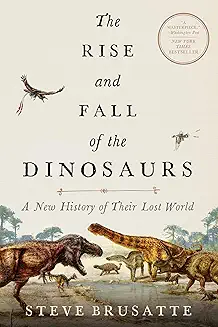
The Rise and Fall of the Dinosaurs
Steve Brusatte
A New History of a Lost World
4.5 (937)27 mins
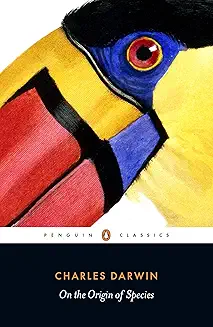
On the Origin of Species
Charles Darwin
By Means of Natural Selection, or the Preservation of Favoured Races in the Struggle for Life
4.5 (784)32 mins
Novacene
James Lovelock
The Coming Age of Hyperintelligence
4.4 (554)25 mins
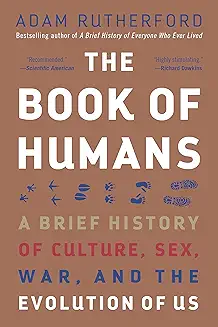
The Book of Humans
Adam Rutherford
A Brief History of Culture, Sex, War and the Evolution of Us
4.4 (627)26 mins
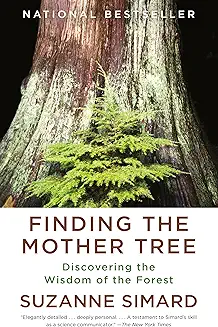
Finding the Mother Tree
Suzanne Simard
Discovering the Wisdom of the Forest
4.3 (351)28 mins
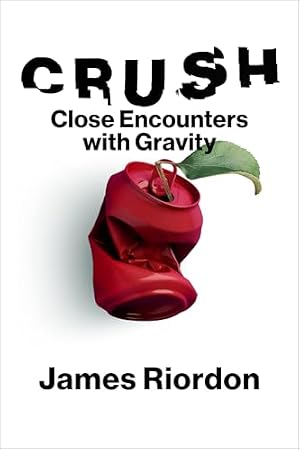
Crush
James Riordon
Close Encounters with Gravity
4.2 (11)20 mins

Guns, Germs, and Steel
Jared Diamond
The Fates of Human Societies
4.1 (347)16 mins