

Losing Eden Summary
By Lucy Jones
Why Our Minds Need the Wild
Summary preview
In Losing Eden, the reader is invited on a heartfelt journey that explores our deep relationship with nature and the ways urban life and modern challenges have led us to lose touch with that ideal of paradise once so vivid in our collective memory. The book opens a conversation about the sacrifices we have made, often unknowingly, in pursuit of progress. It draws attention to the beauty we once knew and the subsequent erosion of that beauty in the face of relentless development, climate uncertainty, and a disconnect between people and the land they inhabit. This work is imbued with personal reflections, evocative narrative, and calls for a renewed sense of responsibility toward our environment. Throughout the text, the narrative flows with a warm and conversational cadence, inviting you as a reader to see your own life mirrored in the complexities of environmental loss and the yearning for a recovered Eden. The author gently reminds us that our contemporary life, with its technological marvels and urban sprawl, has also distanced us from a natural heritage that sustained generations. The story begins with an introspective look back at the innocence of the natural world and moves into a frank reckoning with the modern world. The author uses vivid imagery that conjures a lost paradise, where green landscapes and crystal clear streams formed the quiet backdrop of human existence. For instance, she provides real life examples of communities that once lived in harmony with nature and contrasts these with today’s fragmented relationships with the environment. This reflective narrative touches on personal anecdotes as well as broader societal shifts, helping us understand that what we have lost is not merely a physical place but also a state of mind and a way of living. The introduction sets a stage that is both intimate and widely relevant. It reminds us that the quest to find and reclaim Eden is not only about environmental conservation but also about preserving the soul of humanity. The dialogue throughout the book is accessible and unpretentious, appealing to the inner child in all of us that still yearns for wonder. As you read, you feel as if you are having a one-on-one conversation with someone who truly cares about the fate of the natural world and our role in protecting it. The narrative is both a lament and a beacon of hope, urging communities to reconnect with nature and to reimagine a future where progress and preservation can coexist gracefully. This opening reflection prepares you for a series of rich, in-depth examinations of the themes that run throughout the book. It not only signals the issues at stake but also offers an invitation to think critically about how we have shaped our world. The tone is warm, filled with genuine concern as the narrative navigates the intersections of loss, memory, resilience, and renewal. It steers clear of dry academic treatises and instead feels like the musings of a wise friend, encouraging you to reconsider everyday assumptions about what it...
Sign up to continue reading
Get access to full book summaries, audio of the summaries, and many more.
Similar Books
Books with a similar vibe—explore more like this.
The Omnivore's Dilemma
Michael Pollan
A Natural History of Four Meals
4.5 (672)34 mins
Every Living Thing
Jason Roberts
The Great and Deadly Race to Know All Life
4.8 (7) mins
The Midnight Library
Matt Haig
A Fantasy Novel About the Choices That Lead to a Life Well-Lived
4.7 (4782)32 mins
Sound Affects
Julian Treasure
How Sound Shapes Our Lives, Our Wellbeing and Our Planet
4.7 (10)21 mins
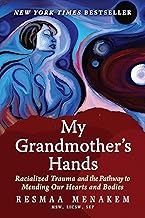
My Grandmother's Hands
Resmaa Menakem
Racialized Trauma and the Pathway to Mending Our Hearts and Bodies
4.6 (167)30 mins
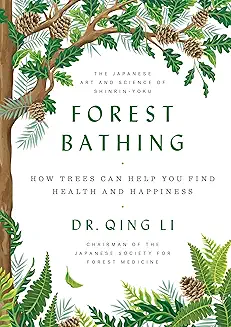
Forest Bathing
Qing Li
How Trees Can Help You Find Health and Happiness
4.6 (285)24 mins
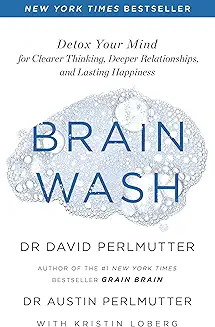
Brain Wash
David Perlmutter
Detox Your Mind for Clearer Thinking, Deeper Relationships, and Lasting Happiness
4.6 (1203)29 mins
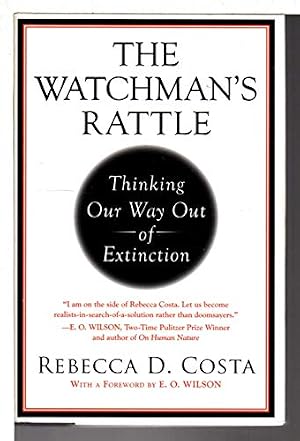
The Watchman's Rattle
Rebecca D. Costa
Thinking Our Way Out of Extinction
4.6 (10) mins
Eve
Cat Bohannon
How the Female Body Drove 200 Million Years of Human Evolution
4.6 (46)24 mins
The Wide Wide Sea
Hampton Sides
The Fateful Final Voyage of Captain James Cook
4.5 (830)28 mins