
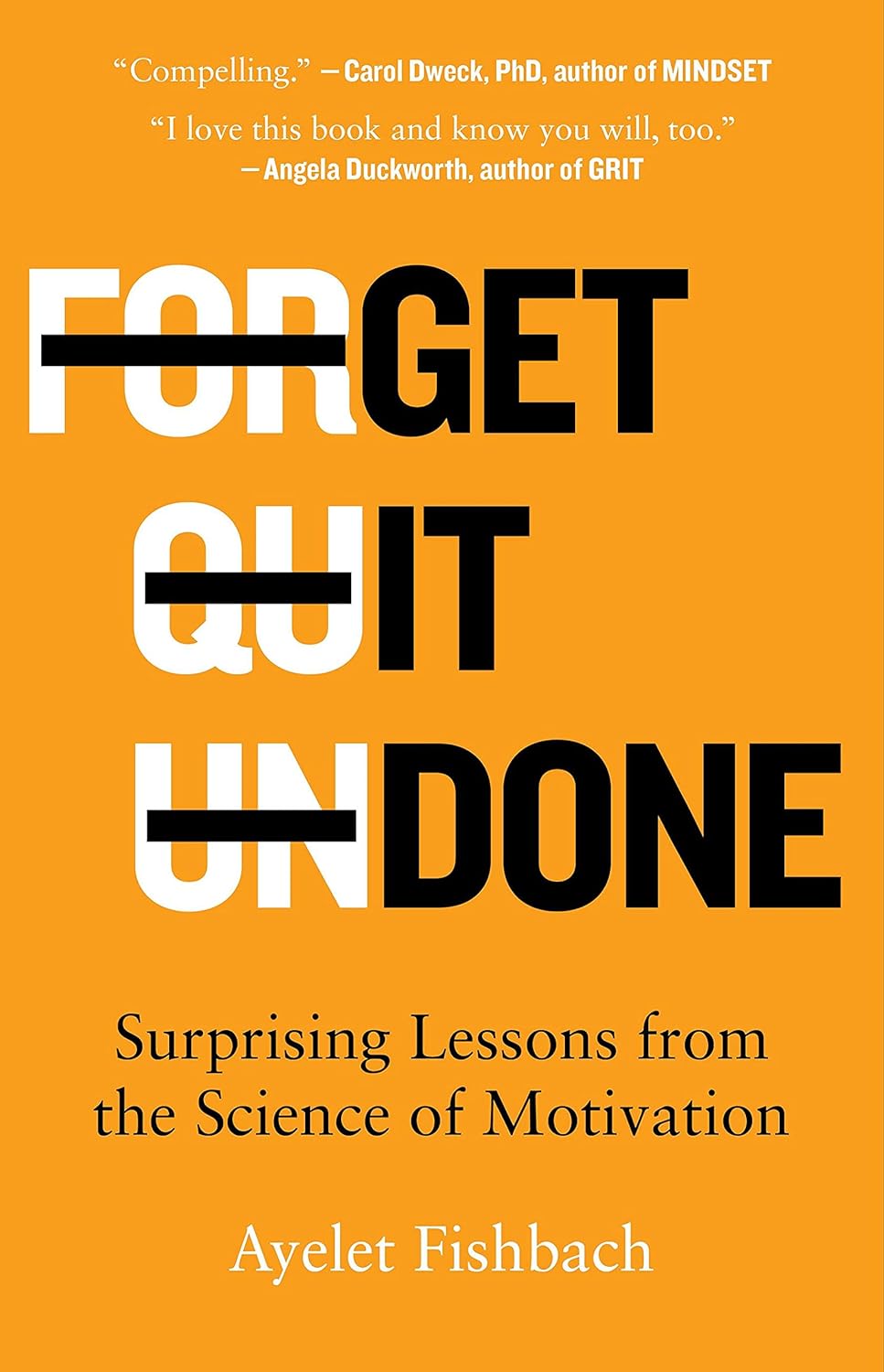
Get It Done Summary
By Ayelet Fishbach
Surprising Lessons from the Science of Motivation
Summary preview
Most of us know what we want. We want to finish the project, keep the promise, save money, exercise, study, eat better, help the people we love, and make progress on the goals that matter. And yet wanting something is rarely the hard part. The hard part is doing it tomorrow when we are tired, next week when life gets crowded, and months later when the first burst of excitement is long gone. That is the puzzle at the heart of Get It Done. It is a book about motivation, but not in the loud, cheerleading sense. It is about the quiet science of how people actually move from intention to action and from action to completion. Ayelet Fishbach takes a simple but powerful idea and turns it in every direction. Motivation is not a fixed trait that some lucky people have and the rest of us do not. It is a system. It responds to incentives, to meaning, to social connection, to feedback, to timing, to emotion, and to the way we think about choices. If you understand that system, you stop blaming yourself for every lapse and start designing conditions that make success much more likely. You learn that self control is only one small part of the story. Often the better question is not how to force yourself, but how to make the goal easier to want, easier to start, and easier to stick with. The book moves through the full life cycle of a goal. First comes choosing wisely. Not every goal deserves equal devotion, and one of the smartest things you can do is pursue goals that matter deeply and fit the kind of person you want to be. Then comes beginning. Starting is often where motivation feels most fragile, so the book shows how to connect action to immediate rewards instead of waiting forever for distant payoffs. After that comes sustaining effort. Here the challenge shifts. People need progress signals, supportive relationships, and strategies for handling setbacks, temptations, and the inevitable moments when energy drops. What makes this book especially useful is that it blends research with everyday life. You get studies, yes, but you also get familiar scenes from work, school, health, family, and friendship. You see why one person keeps training for a marathon while another quietly stops going to the gym. You see why some teams stay focused and others lose heart. You see why celebrations can help, why they can also distract, and why the middle of a journey can feel strangely harder than the beginning or the end. By the end, the message is hopeful and practical. Motivation is not magic. It can be understood, shaped, protected, and renewed. If you want to get things done, you do not need a harsher inner critic. You need better tools, better questions, and a better map of how human striving really works.
Sign up to continue reading
Get access to full book summaries, audio of the summaries, and many more.
Similar Books
Books with a similar vibe—explore more like this.

The Science of Self-Discipline
Peter Hollins
Resist Temptation and Achieve Your Goals
4.7 (71)20 mins
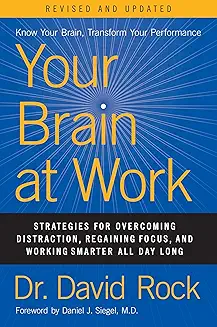
Your Brain at Work
David Rock
Strategies for Overcoming Distraction, Regaining Focus, and Working Smarter All Day Long
4.6 (1428)32 mins
Breaking The Habit of Being Yourself
Joe Dispenza
How to Lose Your Mind and Create a New One
4.5 (415)23 mins
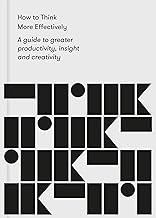
How to Think More Effectively
The School of Life
A guide to greater productivity, insight and creativity
4.5 (909)23 mins
Productive Failure
Manu Kapur
Unlocking Deeper Learning Through the Science of Failing
4.5 (211)22 mins
When
Daniel H. Pink
The Scientific Secrets of Perfect Timing
4.5 (673)26 mins
Million Dollar Habits
Brian Tracy
Proven Power Practices to Double and Triple Your Income
4.5 (389)24 mins
The Happiness Advantage
Shawn Achor
The Seven Principles that Fuel Success and Performance at Work
4.4 (936)34 mins
The Power of Habit
Charles Duhigg
Why We Do What We Do in Life and Business
4.3 (3181)30 mins
Four Thousand Weeks
Oliver Burkeman
Time Management for Mortals
4.3 (653)31 mins