
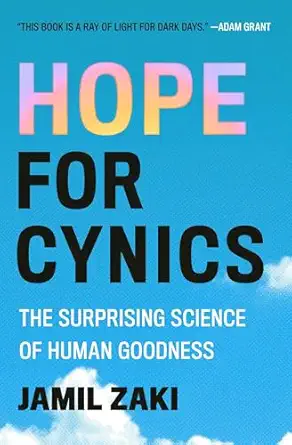
Hope for Cynics Summary
By Jamil Zaki
The Surprising Science of Human Goodness
Summary preview
Cynicism likes to dress up as wisdom. It whispers that people are selfish, that kindness is a trick, that trust is for fools, and that disappointment is the only safe bet. At first, that voice can sound smart. It can even feel protective. If you expect the worst, maybe you cannot be hurt. But Hope for Cynics asks you to look closer. What if cynicism is not a shield but a cage. What if it narrows your life, cuts you off from other people, and makes the world darker than it really is. That is the heart of this book. It is not a cheerleading speech about blind positivity. It is not asking you to ignore cruelty, corruption, or pain. It begins from a more grounded place. Human beings are complicated. We can be generous and cruel, brave and scared, loving and selfish, often in the same day. The question is not whether badness exists. Of course it does. The question is whether cynicism helps us face reality or distorts it. Again and again, the answer here is clear. Cynicism often pretends to be realism, but it actually misses a great deal of what is true. Jamil Zaki writes with the urgency of someone who knows this battle from the inside. He does not speak down to cynics. He understands them because he has been one. He grew up seeing distrust as intelligence and emotional distance as safety. Over time, though, he began to notice that this posture came with costs. Cynicism can damage our relationships, harm our health, erode our politics, and make cooperation harder exactly when we need it most. It can become a self fulfilling prophecy. If you expect people to be terrible, you may treat them coldly. They respond in kind. Then your bleak theory of humanity appears confirmed. The book offers something stronger than easy optimism. It offers hopeful skepticism, a way of seeing people clearly without surrendering to contempt. It shows that trust is not foolish when practiced wisely. It explains that hope is not passivity. Hope can be demanding, disciplined, and brave. It can push us to build institutions, repair communities, and create conditions that bring out the best in one another. Along the way, you meet scientists, activists, teachers, former extremists, and ordinary people trying to choose connection over suspicion. Their stories make the case vivid. The big message is simple but powerful. People are better than cynics think, and they become better still when someone believes they can. Hope, then, is not naïve. It is a force that changes what becomes possible.
Sign up to continue reading
Get access to full book summaries, audio of the summaries, and many more.
Similar Books
Books with a similar vibe—explore more like this.
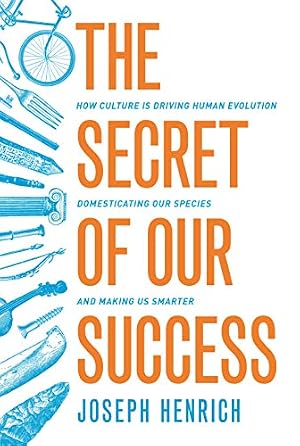
The Secret of Our Success
Joseph Henrich
How Culture Is Driving Human Evolution and More
4.4 (14)22 mins
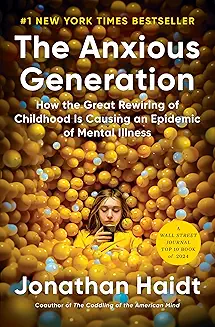
The Anxious Generation
Jonathan Haidt
How the Great Rewiring of Childhood Is Causing an Epidemic of Mental Illness
4.2 (325)20 mins

Brown Girl Dreaming
Jacqueline Woodson
Unravel a Moving Tale of Childhood Dreams, Race, and Empowerment
3.0 (5) mins

The Song of Roland
Anonymous
Enter a World of Medieval Heroism, Where Honor Reigns Supreme
4.9 (3)20 mins

Utilitarianism
John Stuart Mill
Explore a Timeless Ethics Classic
4.8 (46)24 mins

Othello
William Shakespeare
Love, Betrayal, and the Fall of a Hero
4.8 (14)22 mins
We Have Always Lived in the Castle
Shirley Jackson
Enter a Disturbing Labyrinth of Family Secrets and Dark Neurosis
4.8 (5)14 mins
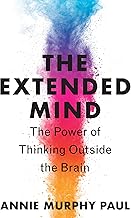
The Extended Mind
Annie Murphy Paul
The Power of Thinking Outside the Brain
4.7 (971)30 mins
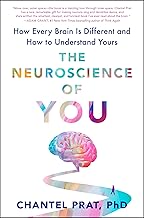
The Neuroscience of You
Chantel Prat
How every brain is different and how to understand yours
4.7 (679)20 mins
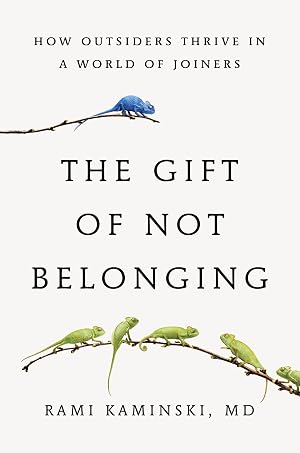
The Gift of Not Belonging
Rami Kaminski
How Outsiders Thrive in a World of Joiners
4.7 (89) mins