
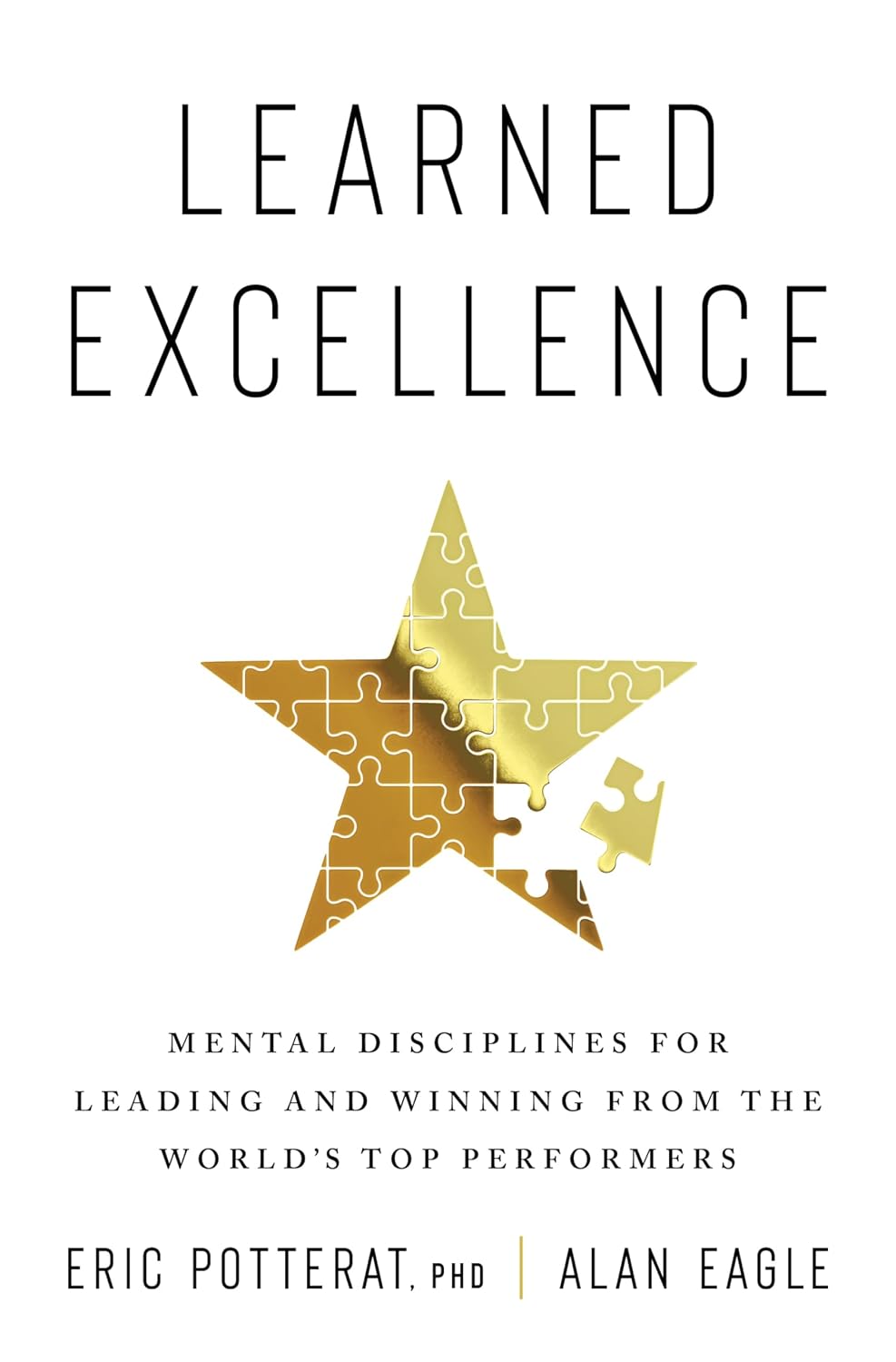
Learned Excellence Summary
By Eric Potterat & Alan Eagle
Mental Disciplines for Leading and Winning from the World's Top Performers
Summary preview
Most of us grow up with a powerful idea in the background. We believe excellence belongs to a lucky few. Some people are just born tougher, calmer, smarter under pressure, more able to lead, more likely to win. The rest of us, we think, can improve a little, but only inside the limits we were handed. Learned Excellence pushes back hard against that story. It says that high performance is not magic, not a gift, and not a personality trait fixed at birth. It is something you can build. The heart of the book is simple and hopeful. Excellence is learned through deliberate habits, honest self awareness, strong relationships, and repeated practice in the conditions that matter most. When the pressure is real, people do not magically rise to the level of their hopes. They fall to the level of their training. That idea runs through the whole book like a steady drumbeat. If you want to perform well when it counts, whether in combat, business, sports, medicine, or family life, you need to train the mind and body in ways that create dependable responses. This message carries unusual weight because it grows out of work with people whose jobs leave no room for fantasy. Eric Potterat & Alan Eagle draw from years spent around elite military teams, especially Navy SEALs, where performance under stress can mean life or death. But the book never treats those stories as distant hero tales. Instead, it translates their lessons into everyday human terms. The point is not that you need to become a warrior. The point is that every person faces moments that test judgment, courage, discipline, and resilience. We all need a way to prepare. Along the way, the book challenges some common myths. It questions the worship of talent. It warns against chasing confidence as a feeling. It shows why toughness is not the same as denial. It insists that trust, humility, and service are not soft extras but essential ingredients of sustained excellence. It also makes clear that no one gets there alone. High performers are shaped by communities, mentors, teammates, families, and leaders who create the right standards and the right kind of support. What makes the book memorable is its mix of realism and encouragement. It does not promise easy change. The work is demanding. You have to face your weaknesses, examine your habits, and practice what is uncomfortable. Yet the tone is never grim. It keeps returning to a deeply practical truth. You can learn to pay attention better. You can learn to manage fear better. You can learn to recover from setbacks better. You can learn to lead and to follow better. Excellence, then, is not a finish line for special people. It is a path, one built choice by choice, day after day, until your best way of operating becomes your normal way of living.
Sign up to continue reading
Get access to full book summaries, audio of the summaries, and many more.
Similar Books
Books with a similar vibe—explore more like this.
Surrender to Lead
Jessica Kriegel, Joe Terry
The Counterintuitive Approach to Driving Extraordinary Results
4.9 (7)21 mins
The Gift of Struggle
Bobby Herrera
Life-Changing Lessons About Leading
4.8 (22)21 mins
The Score That Matters
Ryan Hawk, Brook Cupps
Growing Excellence in Yourself and Those You Lead
4.7 (368)17 mins
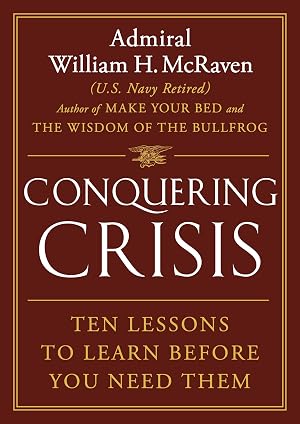
Conquering Crisis
Admiral William H. McRaven
Ten Lessons to Learn Before You Need Them
4.6 (8)22 mins
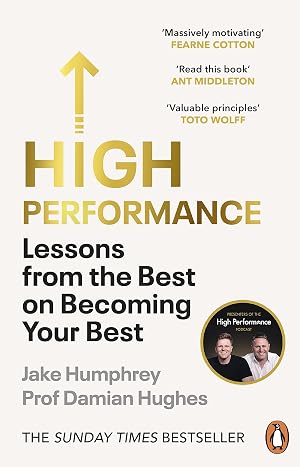
High Performance
Jake Humphrey, Damian Hughes
Lessons from the Best on Becoming Your Best
4.5 (53)23 mins
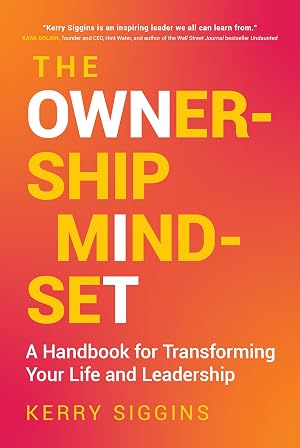
The Ownership Mindset
Kerry Siggins
A Handbook for Transforming Your Life and Leadership
4.5 (10)22 mins
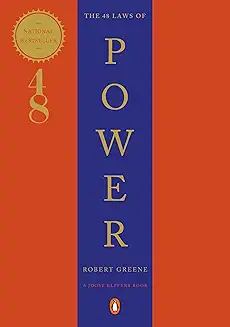
The 48 Laws of Power
Robert Greene
The secret methods to getting what you want
4.2 (723)31 mins
Momentum
Sam Silverstein
How to Avoid Going in the Wrong Direction
4.2 (18)22 mins

The Outsiders
William N. Thorndike
Eight Unconventional CEOs and Their Radically Rational Blueprint for Success
3.6 (246)13 mins

Girl Code
Cara Alwill Leyba
Secrets to Sanity and Success for the Female Entrepreneur
4.9 (4)21 mins