
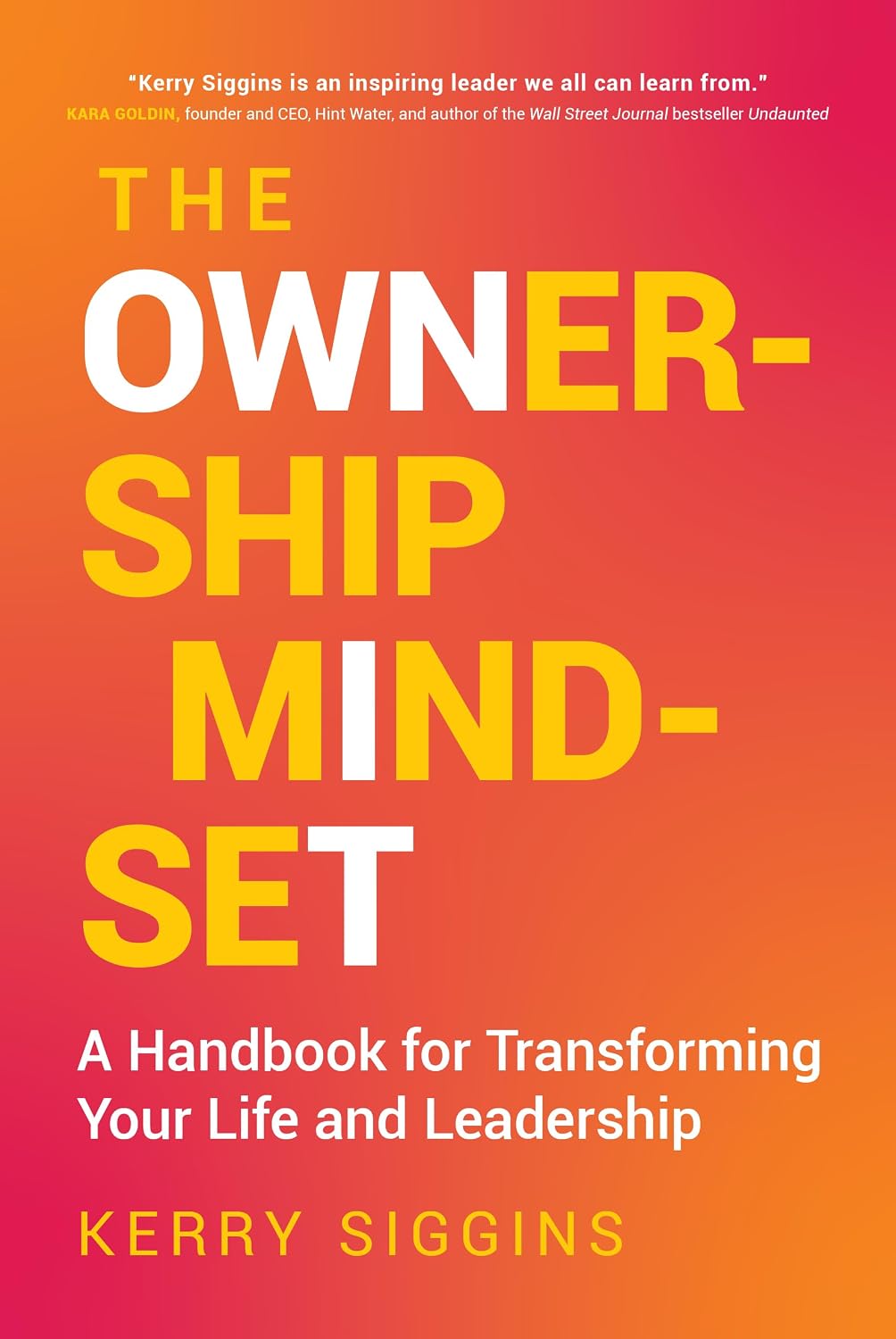
The Ownership Mindset Summary
By Kerry Siggins
A Handbook for Transforming Your Life and Leadership
Summary preview
Most people have been taught to think like employees. You show up, do your job, collect a paycheck, and let someone else worry about the bigger picture. That way of thinking can keep a company running for a while, but it will never help it truly thrive. The heart of The Ownership Mindset is a simple but powerful idea. If you want a business to grow, if you want people to care deeply, solve problems fast, serve customers well, and build something that lasts, then people at every level have to think and act like owners. That does not mean everyone needs to own stock, sit in the corner office, or make every big decision. It means they understand how the business works. They know how money is made and lost. They feel responsible for results instead of waiting for instructions. They stop saying, “That’s not my job,” and start asking, “How can I help us win?” That shift changes everything. It changes culture, performance, trust, accountability, and even people’s personal confidence. Kerry Siggins builds this message from real experience, not theory. She writes from the trenches of leading a company through serious difficulty and learning, sometimes painfully, that success depends on more than strategy and talent. It depends on mindset. A company can have smart people, strong products, and ambitious goals, but if its people think like renters instead of owners, energy leaks away. Blame spreads. Silos harden. Short term thinking takes over. On the other hand, when people believe their choices matter and their work connects to the larger mission, they begin to bring more courage, care, discipline, and creativity. The book is both a leadership story and a practical guide. It challenges leaders to stop protecting people from business realities and start inviting them into the truth. It asks employees to stop waiting for perfect conditions and start taking initiative with what is in front of them. It also makes clear that an ownership culture is not built with slogans on the wall. It is built through transparency, consistent communication, financial education, clear expectations, and a willingness to confront hard truths. As you move through these ideas, you start to see that ownership is not a title. It is a way of showing up. It is choosing responsibility over excuses, contribution over complacency, and long term value over short term comfort. That is the promise at the center of this book. When people think like owners, businesses get stronger and people do too.
Sign up to continue reading
Get access to full book summaries, audio of the summaries, and many more.
Similar Books
Books with a similar vibe—explore more like this.
Surrender to Lead
Jessica Kriegel, Joe Terry
The Counterintuitive Approach to Driving Extraordinary Results
4.9 (7)21 mins
The Gift of Struggle
Bobby Herrera
Life-Changing Lessons About Leading
4.8 (22)21 mins
The Score That Matters
Ryan Hawk, Brook Cupps
Growing Excellence in Yourself and Those You Lead
4.7 (368)17 mins
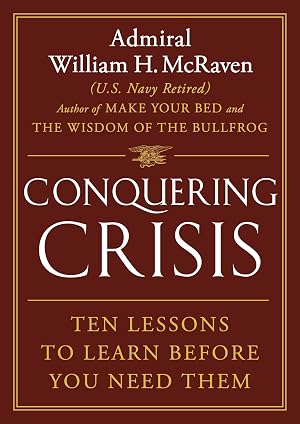
Conquering Crisis
Admiral William H. McRaven
Ten Lessons to Learn Before You Need Them
4.6 (8)22 mins
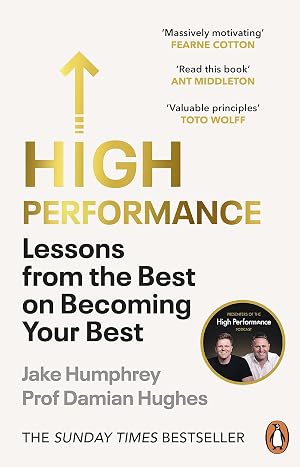
High Performance
Jake Humphrey, Damian Hughes
Lessons from the Best on Becoming Your Best
4.5 (53)23 mins
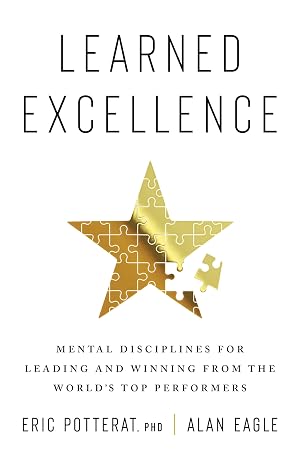
Learned Excellence
Eric Potterat & Alan Eagle
Mental Disciplines for Leading and Winning from the World's Top Performers
4.5 (35)22 mins
The 48 Laws of Power
Robert Greene
The secret methods to getting what you want
4.2 (723)31 mins
Momentum
Sam Silverstein
How to Avoid Going in the Wrong Direction
4.2 (18)22 mins

The Outsiders
William N. Thorndike
Eight Unconventional CEOs and Their Radically Rational Blueprint for Success
3.6 (246)13 mins

Girl Code
Cara Alwill Leyba
Secrets to Sanity and Success for the Female Entrepreneur
4.9 (4)21 mins