
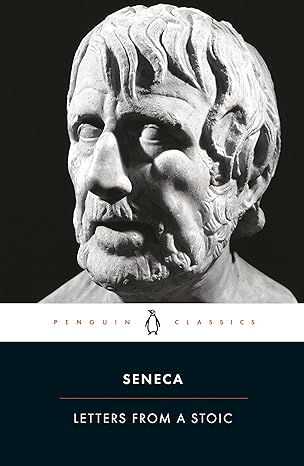
Letters from a Stoic
By Lucius Annaeus Seneca
Seneca's timeless Stoic letters on living wisely
Introduction
Come, let us sit together a while and talk as friends do when the noise of the day has faded. These letters are not grand speeches thrown at a crowd. They are private counsel, sent from one flawed man to another, from an older mind to a younger one, from a companion on the road to someone still finding his footing. That is the charm of this book. It does not pretend that wisdom arrives all at once. It shows a soul training itself, correcting itself, and urging another soul to do the same. The heart of these letters is simple to say and hard to live. We suffer more from opinion than from reality. We chase things that do not belong to us, fear losses that have not happened, and hand over our peace to chance, to rumor, to ambition, to pleasure, and to the crowd. Yet a person can become free. Not free by ruling others, not free by owning more, not free by escaping trouble, but free by ruling the self. That is the labor set before us. Lucius Annaeus Seneca writes to his friend Lucilius with tenderness, sharpness, humor, and urgency. He speaks of time, death, friendship, study, illness, travel, wealth, fame, anger, grief, and the restless habits that keep us from living well. Again and again he returns to one lesson. Philosophy is not decoration for clever talk. It is medicine for the soul. If it does not make you braver, calmer, kinder, and less enslaved to fear, then you have not yet used it properly. What makes the book live is the way lofty ideas are kept close to ordinary life. A crowded bathhouse, a sleepless night, a sick body, a storm at sea, a lavish dinner, the death of a friend, the approach of old age, the temptations of public life, the irritation caused by noisy people, the grief that seizes the heart without permission. From such things he draws lessons, as a good gardener draws fruit from rough ground. You will find no tidy system laid out like a classroom chart. Instead you are drawn into a living practice. One letter urges you to guard your hours. Another teaches you to meet pain without surrender. Another asks what true friendship means. Another strips the glitter from riches. Another shows how to prepare for death so that life itself may become fearless. The movement of the book is the movement of inner training. If you read these pages well, you do not merely learn what the Stoics thought. You feel a hand on your shoulder. You hear someone saying, do not drift, do not delay, do not live as if life were endless. Begin now. Examine yourself. Simplify your desires. Stand firm against fortune. Become your own refuge. And once you begin to hear that voice, it becomes harder to return gladly to a wasted life.
Sign up to continue reading
Get access to full book summaries, audio of the summaries, and many more.
Similar Books
Books with a similar vibe—explore more like this.
How to Be a Stoic
Massimo Pigliucci
Ancient Wisdom For Modern Living
4.6 (567)31 mins
Aristotle's Way
Edith Hall
How Ancient Wisdom Can Change Your Life
4.6 (1073)28 mins
Lessons in Stoicism
John Sellars
What Ancient Philosophers Teach Us About How to Live
4.5 (704)23 mins
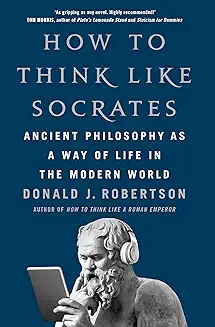
How to Think Like Socrates
Donald J. Robertson
Ancient Philosophy as a Way of Life in the Modern World
4.4 (258)20 mins
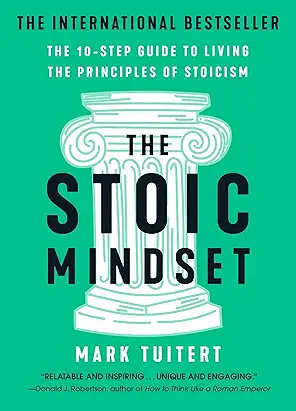
The Stoic Mindset
Mark Tuitert
Living the Ten Principles of Stoicism
4.4 (406)20 mins
The Road Less Traveled
M. Scott Peck
A New Psychology of Love, Traditional Values and Spiritual Growth
4.4 (1249)22 mins
The Four Agreements
Don Miguel Ruiz & Janet Mills
A Practical Guide to Personal Freedom
4.3 (913)21 mins

Stop Overthinking
Nick Trenton
23 Techniques to Relieve Stress, Stop Negative Spirals, Declutter Your Mind, and Focus on the Present
4.3 (691)27 mins
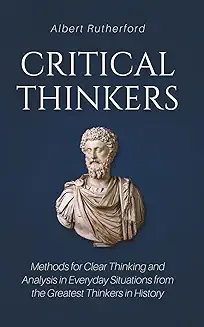
Critical Thinkers
Albert Rutherford
Methods for Clear Thinking and Analysis in Everyday Situations from the Greatest Thinkers in History
4.2 (392)30 mins
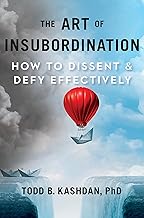
The Art of Insubordination
Todd B. Kashdan
How to Dissent and Defy Effectively
4.1 (314)24 mins