
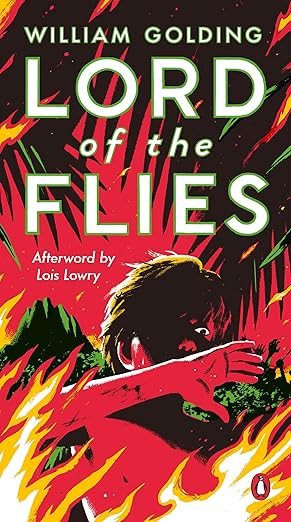
Lord of the Flies
By William Golding
A Dystopian Classic on the Dark Side of Human Nature and Survival
Introduction
A group of boys land on an empty island after a wartime plane crash, and at first it seems almost like a rough holiday. There is fruit to eat, a bright beach, a clear lagoon, and no grown ups to tell them what to do. Yet the whole tale turns on a harder truth. When the rules of ordinary life fall away, what remains inside us is not innocence for long. That is the pulse of Lord of the Flies, and it beats from the first shining moment to the last grim page. William Golding gives you no soft dream of childhood. He looks at boys who should be schoolboys, choirboys, little ones playing in the sand, and asks what happens when fear, hunger, pride, and the thrill of power begin to work on them. The island is beautiful, but beauty does not save them. The sea glitters, the mountain rises above the trees, the fire sends smoke into the sky, and still the old human sickness creeps in. A wish for order struggles against the urge to dominate. Reason tries to speak, but the shout of the crowd grows louder. The beast they fear in the forest slowly proves to be something nearer than any animal. At the center stand a few unforgettable figures. Ralph wants rescue, shelters, meetings, and the steady labor that keeps people human. Piggy, awkward and mocked, clings to thought, facts, and the conch that gives each speaker a voice. Jack hungers for mastery. He begins with rules and uniforms, yet soon finds a darker joy in hunting, paint, and command. Simon, quiet and strange, sees more deeply than the others, as if he understands a truth no one wants to hear. Around them swarm the littluns with their tears and dreams, and the older boys whose loyalties shift with fear and excitement. The story moves like a slow tightening knot. Small failures become habits. A neglected fire becomes a lost chance of rescue. A game becomes a hunt. A chant becomes a kind of worship. What begins in debate ends in blood. Golding never lets the island remain only a place. It becomes a little world, a stage on which the whole drama of human society is played in miniature. Law, religion, violence, tribal identity, leadership, war, and conscience all gather there under the hot sun. What makes the book last is not simply what happens, but what it says without preaching. Civilization is precious and thin. The line between order and savagery is not fixed outside us. It runs through every person. As you move through this story, you are not only watching boys on an island. You are watching the mind under pressure, the crowd in ecstasy, the lonely truth teller, and the terrible ease with which people can turn from building a home to destroying one.
Sign up to continue reading
Get access to full book summaries, audio of the summaries, and many more.
Similar Books
Books with a similar vibe—explore more like this.

The Prince
Niccolò Machiavelli
Machiavelli’s classic text on leadership and politics
4.6 (973)37 mins
The Advantage
Patrick Lencioni
Why Organizational Health Trumps Everything Else in Business
4.4 (1348)36 mins
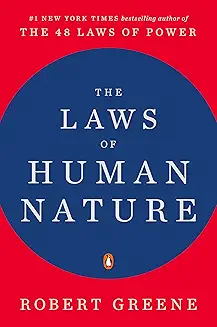
The Laws of Human Nature
Robert Greene
What affects your day-to-day life
4.4 (940)32 mins

Lean In
Sheryl Sandberg
Women, Work, and the Will to Lead
4.3 (292)40 mins
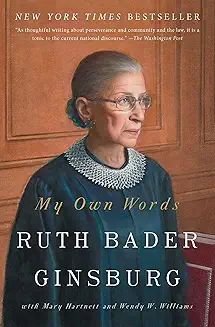
My Own Words
Ruth Bader Ginsburg
Ruth Bader Ginsburg's life and writings in her own words
4.0 (865)33 mins
The Diary of a Young Girl
Anne Frank
The famous story of a Jewish girl who went into hiding during the Second World War
4.8 (192)31 mins

The Brand Benefits Playbook
Allen Weiss, Debbie J. MacInnis
Why Customers Aren't Buying What You're Selling--And What to Do About It
4.8 (803)20 mins
The Splendid and the Vile
Erik Larson
A Saga of Churchill, Family, and Defiance During the Blitz
4.7 (130)45 mins
Made to Stick
Chip Heath and Dan Heath
Why Some Ideas Survive and Others Die
4.7 (573)34 mins
The Toyota Way
The Toyota Way
14 Management Principles from the World's Greatest Manufacturer
4.7 (661)21 mins