

Moonwalking with Einstein Summary
By Joshua Foer
The Art and Science of Remembering Everything
Summary preview
At first glance, this looks like a book about memory tricks. A bunch of oddballs in hotel ballrooms trying to memorize decks of cards, long strings of numbers, and random names faster than anyone else. It has that surface charm, and it is genuinely fun to watch. But the real story runs deeper. It asks a question that feels both ancient and very modern. What is memory for, and what happens to us when we stop using it? Joshua Foer begins not as a master but as a curious outsider. He shows up at the United States Memory Championship to write a magazine piece and expects to find freakish geniuses blessed with rare brains. Instead he finds ordinary people doing extraordinary things with methods that are surprisingly old. These competitors are not born with photographic memory. In fact, one of the first shocks of the book is that photographic memory, as most people imagine it, is largely a myth. The champions are using techniques that date back to the ancient Greeks and Romans, techniques built on vivid images, familiar spaces, and focused attention. That discovery becomes the engine of the whole adventure. What starts as journalism turns into an experiment. If memory can be trained so dramatically, what else about the mind have we mistaken for fixed talent? The book follows a yearlong transformation from observer to participant, from skeptical reporter to national champion. Along the way, it moves through laboratories, history books, memory clinics, dinner tables, and competitive events, connecting stories that at first seem far apart. We meet scientists studying expertise, mnemonists who can memorize impossible amounts of information, people whose memories are broken, and people whose memories are almost unbearably complete. The result is part travelogue, part intellectual detective story, and part personal challenge. It is full of comic scenes and eccentric personalities, but it never loses sight of the larger stakes. Memory is not just a party trick. It shapes identity, skill, culture, and inner life. A life filled with instant digital storage can make remembering feel unnecessary, yet the book keeps circling back to a stubborn truth. The things we remember become part of us. The things we do not remember can disappear as if they never happened. So this is a story about learning how to memorize a shuffled deck in under two minutes, yes. But it is also a story about attention in a distracted age, about the strange architecture of thought, and about the possibility that the mind is far more flexible than we usually assume. By the end, the question is no longer whether memory techniques work. The question is what kind of life they point toward, and what we gain when we decide that remembering still matters.
Sign up to continue reading
Get access to full book summaries, audio of the summaries, and many more.
Similar Books
Books with a similar vibe—explore more like this.
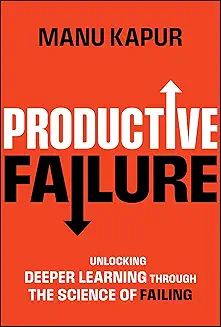
Productive Failure
Manu Kapur
Unlocking Deeper Learning Through the Science of Failing
4.5 (211)22 mins
Mindset
Carol Dweck
The New Psychology of Success
4.4 (2959)33 mins
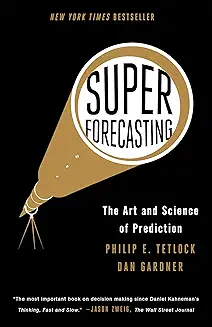
Superforecasting
Philip E. Tetlock
The Art and Science of Prediction
4.4 (439)23 mins
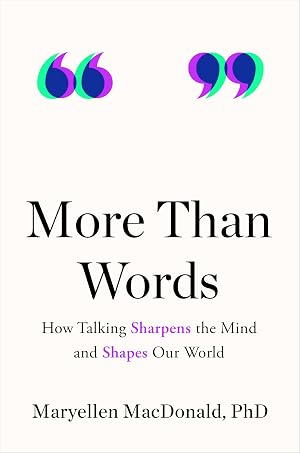
More Than Words
Maryellen MacDonald
How Talking Sharpens the Mind and Shapes Our World
4.4 (16)20 mins
Primal Intelligence
Angus Fletcher
You Are Smarter Than You Know
4.4 (16) mins
Rethinking Positive Thinking
Gabriele Oettingen
Inside the New Science of Motivation
4.3 (255)23 mins
Critical Thinkers
Albert Rutherford
Methods for Clear Thinking and Analysis in Everyday Situations from the Greatest Thinkers in History
4.2 (392)30 mins

The Courage to Teach
Parker J. Palmer
Exploring the Inner Landscape of a Teacher's Life
4.2 (5)23 mins
The Creative Brain
Anna Abraham
Myths and Truths
4.1 (190)23 mins
The Suggestible Brain
Amir Raz
The Science and Magic of How We Make Up Our Minds
4.0 (324)23 mins