
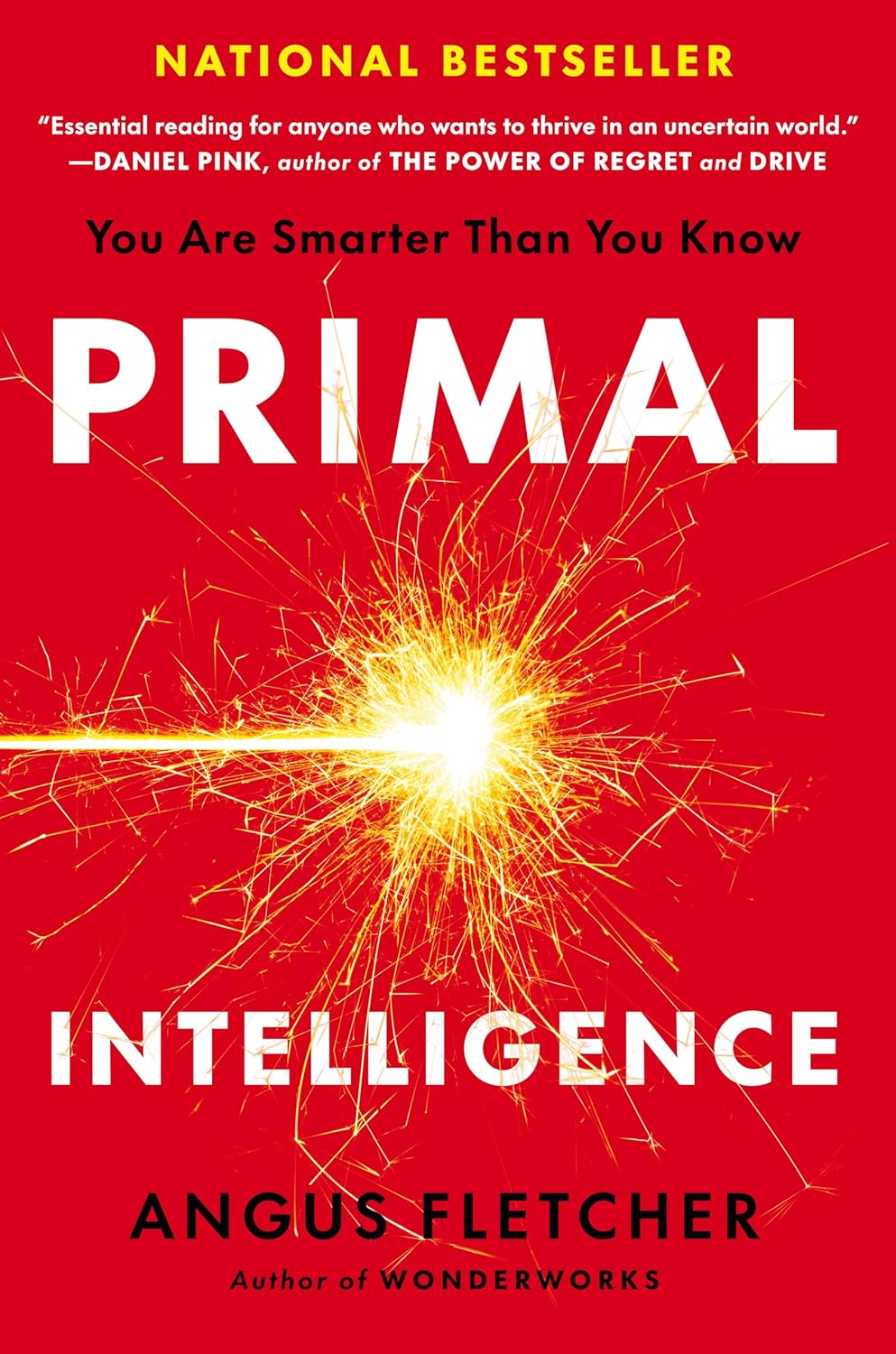
Primal Intelligence Summary
By Angus Fletcher
You Are Smarter Than You Know
Summary preview
Most of us have been taught a strange story about intelligence. We are told that being smart means being rational, controlled, efficient, and good at solving clear problems step by step. We are told the mind works best when it acts like a machine. But life does not usually come to us as a neat equation. Life comes as heartbreak, danger, uncertainty, love, rivalry, loss, surprise, and hope. It comes at us fast. It asks us to respond before we can fully explain what is happening. That is where this book begins. In Primal Intelligence, Angus Fletcher invites you to rediscover another kind of brilliance, one older than logic and more deeply rooted in being human. This is the intelligence of emotion, imagination, instinct, story, and play. It is not soft or vague. It is not the opposite of serious thinking. It is a powerful mode of adaptation that helped our ancestors survive long before formal reasoning could guide them through a changing world. The claim at the heart of the book is bold and refreshing. Our deepest human capacities do not arise from cold calculation alone. They arise from the living, improvising, feeling systems inside us that know how to react to novelty. The book pushes back against a long cultural habit of putting reason on a pedestal while treating emotion as a threat. That habit shapes schools, workplaces, military planning, medicine, parenting, and even our ideas about mental health. We are trained to prize prediction, optimization, and control. Yet when reality turns turbulent, those tools often fail us. A spreadsheet can help when the rules are stable. It struggles when the rules change. By contrast, the primal mind thrives in uncertainty because it was built for exactly that purpose. What follows is not an attack on reason. It is a rebalancing. Rational thought is useful, but it is only one part of the mind. If we rely on it too heavily, we become brittle. We lose the very capacities that make us inventive, resilient, and alive. The book shows how narrative, metaphor, drama, and emotion train the brain to generate options instead of simply choosing among known ones. They help us face what has never happened before. So the journey ahead is both scientific and deeply personal. It draws on neuroscience, psychology, literature, military history, education, and everyday life. But it keeps returning to one simple truth. Being fully intelligent means more than calculating correctly. It means being able to create, to care, to improvise, to endure, and to transform confusion into action. The book asks you to trust more of your mind, especially the older, faster, more imaginative part that modern culture has taught you to overlook.
Sign up to continue reading
Get access to full book summaries, audio of the summaries, and many more.
Similar Books
Books with a similar vibe—explore more like this.
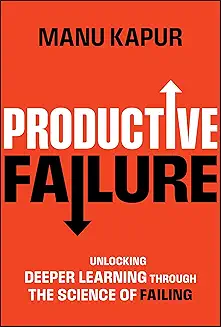
Productive Failure
Manu Kapur
Unlocking Deeper Learning Through the Science of Failing
4.5 (211)22 mins
Mindset
Carol Dweck
The New Psychology of Success
4.4 (2959)33 mins
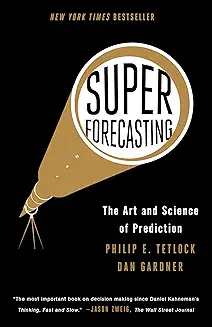
Superforecasting
Philip E. Tetlock
The Art and Science of Prediction
4.4 (439)23 mins
More Than Words
Maryellen MacDonald
How Talking Sharpens the Mind and Shapes Our World
4.4 (16)20 mins
Rethinking Positive Thinking
Gabriele Oettingen
Inside the New Science of Motivation
4.3 (255)23 mins
Moonwalking with Einstein
Joshua Foer
The Art and Science of Remembering Everything
4.3 (528)33 mins
Critical Thinkers
Albert Rutherford
Methods for Clear Thinking and Analysis in Everyday Situations from the Greatest Thinkers in History
4.2 (392)30 mins
The Courage to Teach
Parker J. Palmer
Exploring the Inner Landscape of a Teacher's Life
4.2 (5)23 mins
The Creative Brain
Anna Abraham
Myths and Truths
4.1 (190)23 mins
The Suggestible Brain
Amir Raz
The Science and Magic of How We Make Up Our Minds
4.0 (324)23 mins