
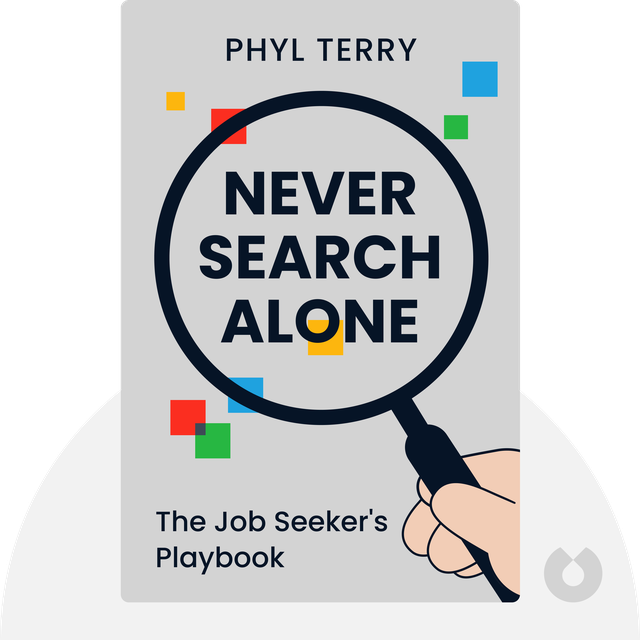
Never Search Alone Summary
By Phyl Terry
The Job Seeker's Playbook
Summary preview
Looking for a job can feel lonely, confusing, and strangely personal all at once. You tell yourself it is a practical project, just a search, just a few applications, just some interviews. But very quickly it turns into something deeper. It touches your identity, your confidence, your relationships, your money, your future, and even your sense of worth. That is the problem this book sets out to solve. It does not treat a job search like a stack of tasks to grind through in isolation. It treats it like a human journey that works far better when you stop doing it alone. At the heart of Never Search Alone is a simple but powerful idea. The best way to find your next role is not to rely on willpower, secret tactics, or endless networking hacks. It is to build a small trusted group of fellow job seekers who help one another think clearly, stay accountable, and move forward with courage. Phyl Terry argues that the old model of job hunting is broken because it leaves people stranded inside their own fears and blind spots. When you search alone, rejection hits harder, confusion lasts longer, and bad decisions become more likely. When you search with others, everything changes. You get perspective when your thinking narrows. You get momentum when your energy drops. You get honesty when your stories about yourself are either too harsh or too flattering. The book is both a philosophy and a playbook. It explains why community matters so much in a search, then shows you exactly how to create that community through what the book calls a job search council. This is not a loose networking group and not a place to collect tips from strangers. It is a carefully designed circle where people meet regularly, follow a clear process, and support each other through every stage of the search. From deciding what you really want, to shaping your story, to building opportunities through conversations, to negotiating an offer, the group becomes a steady container for progress. What makes the book land is how grounded it is in real life. It understands the emotional weather of a search. Hope one day, panic the next. Excitement after a good meeting, despair after silence. It also understands that smart accomplished people often make poor choices when they are under pressure. They chase jobs they do not want, accept roles that do not fit, or freeze because they cannot see a path forward. The answer here is not to push harder. It is to search in a better way. So what follows is a guide to doing just that. It shows how to create support before you need rescue, how to turn uncertainty into experiments, and how to make one of the most stressful transitions in working life feel more honest, more connected, and far more effective.
Sign up to continue reading
Get access to full book summaries, audio of the summaries, and many more.
Similar Books
Books with a similar vibe—explore more like this.
No One Succeeds Alone
Robert Reffkin
Learn Everything You Can from Everyone You Can
4.8 (9)23 mins
Distancing
L. David Marquet, Michael A. Gillespie
How Great Leaders Reframe to Make Better Decisions
4.7 (22)24 mins

The New Emotional Intelligence
Travis Bradberry
Master your emotional skills for lasting success
4.7 (48)22 mins
The Art of Conscious Conversations
Chuck Wisner
Transforming How We Talk, Listen, and Interact
4.6 (16)20 mins
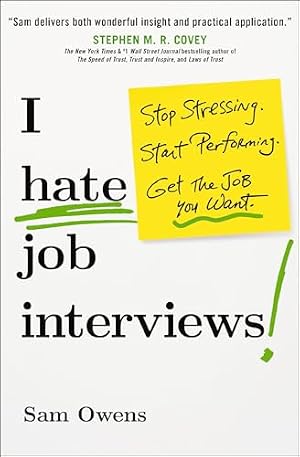
I Hate Job Interviews
Sam Owens
Stop Stressing. Start Performing. Get the Job You Want.
4.6 (6)24 mins
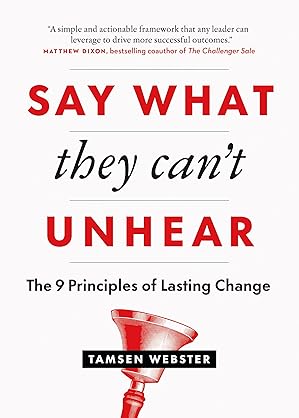
Say What They Can't Unhear
Tamsen Webster
The 9 Principles of Lasting Change
4.5 (212)32 mins
Negotiation Made Simple
John Lowry
A Practical Guide for Solving Problems, Building Relationships, and Delivering the Deal
4.5 (517)20 mins
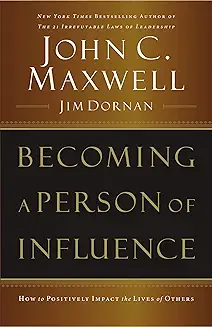
Becoming a Person of Influence
John C. Maxwell, Jim Dornan
How to Positively Impact the Lives of Others
4.5 (365)18 mins
How to Become a People Magnet
Marc Reklau
62 Simple Strategies to Build Powerful Relationships and Positively Impact the Lives of Everyone You Get in Touch with
4.5 (494)26 mins

From Conflict to Courage
Marlene Chism
How to Stop Avoiding and Start Leading
4.5 (3)22 mins