
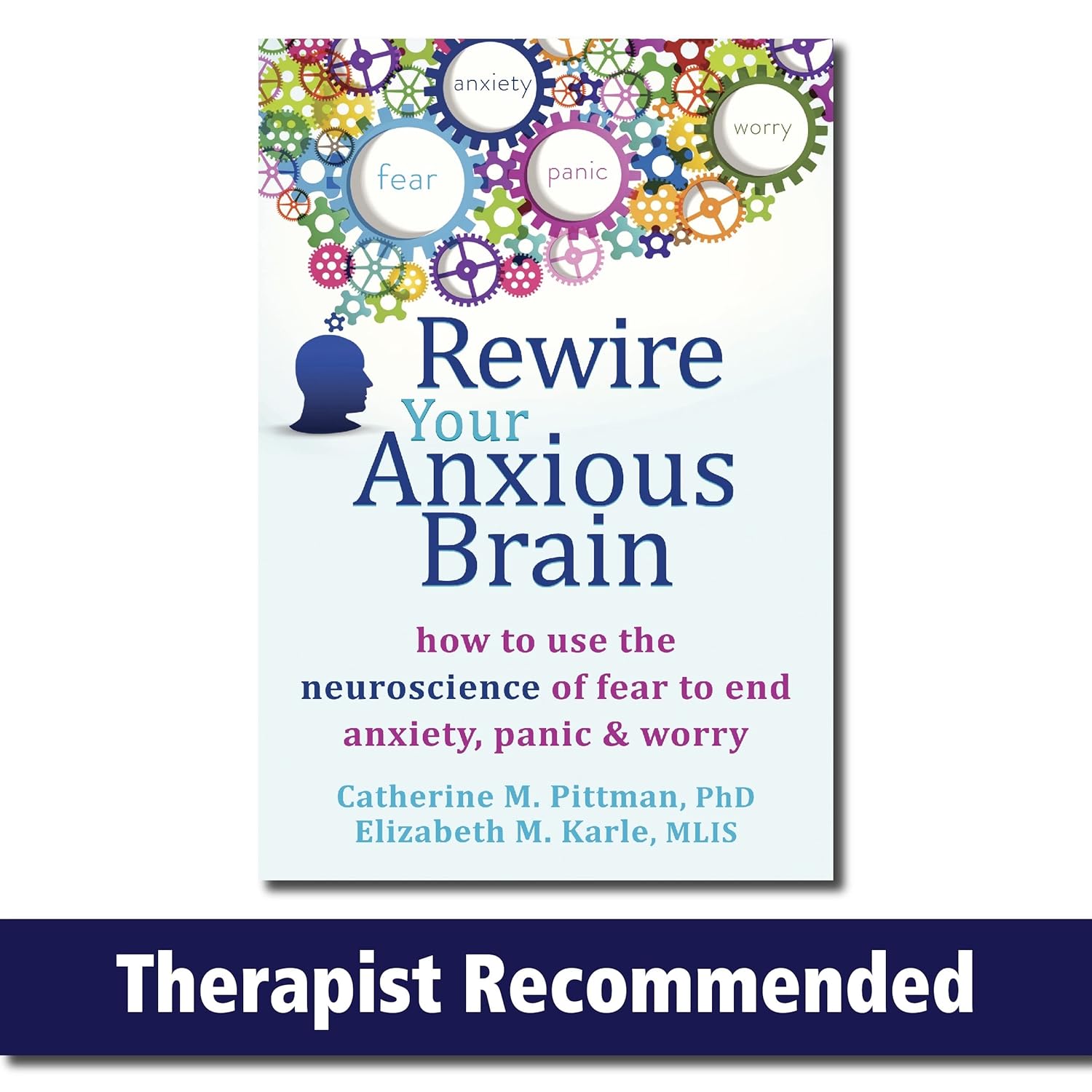
Rewire Your Anxious Brain Summary
By Catherine M. Pittman & Elizabeth M. Karle
How to Use the Neuroscience of Fear to End Anxiety, Panic, and Worry
Summary preview
Anxiety can feel mysterious when you are inside it. Your heart races, your chest tightens, your mind spins ahead into danger, and suddenly even small things can seem hard to face. What makes this book so helpful is that it does not treat anxiety like a personal weakness or a vague emotional storm. It treats anxiety as something happening in the brain and body in clear, understandable ways. Once you can see what is happening, you are no longer trapped in confusion. You can start to respond with skill instead of fear. That is the promise at the heart of Rewire Your Anxious Brain by Catherine M. Pittman & Elizabeth M. Karle. The book explains that anxiety is not produced by one single system. It grows out of two different pathways in the brain, and each pathway needs a different kind of help. One pathway is fast, automatic, and physical. It is driven largely by the amygdala, the part of the brain that reacts to threat before you have time to think. The other pathway is slower, more verbal, and more imaginative. It is driven by the cortex, the thinking part of the brain that can worry, predict, remember, and create frightening stories about what might happen. That distinction changes everything. If your anxiety is coming from the amygdala, then logic alone may not calm it. You can tell yourself you are safe and still feel afraid. If your anxiety is coming from the cortex, then your own thoughts may be feeding the alarm, and learning how to work with those thoughts becomes essential. The book shows that real relief often comes when you stop using the wrong tool for the wrong kind of anxiety. As the ideas unfold, anxiety becomes less of a giant blur and more of a map. You learn why panic can erupt so quickly, why habits of avoidance make fear stronger, why uncertainty feels so unbearable, and why your body can seem to have a mind of its own. You also learn that the brain is changeable. It can be trained. It can build new pathways. It can stop sounding the alarm so easily. The overall feeling is practical and encouraging. You are not being asked to become fearless. You are being shown how fear works, how it gets reinforced, and how to interrupt that process with patience and repetition. The message is both comforting and empowering. Your anxiety is real, but it is not random. And because it follows patterns in the brain, it can be reshaped.
Sign up to continue reading
Get access to full book summaries, audio of the summaries, and many more.
Similar Books
Books with a similar vibe—explore more like this.
Widen the Window
Elizabeth A. Stanley
Training Your Brain and Body to Thrive During Stress and Recover from Trauma
4.8 (158)27 mins

The Screwtape Letters
C.S. Lewis
Letters from a Senior to a Junior Devil
4.8 (47)31 mins
Believe It to Achieve It
Brian Tracy, Christina Stein
Overcome Your Doubts, Let Go of the Past, and Unlock Your Full Potential
4.8 (32)22 mins

Othello
William Shakespeare
Love, Betrayal, and the Fall of a Hero
4.8 (14)22 mins
We Have Always Lived in the Castle
Shirley Jackson
Enter a Disturbing Labyrinth of Family Secrets and Dark Neurosis
4.8 (5)14 mins
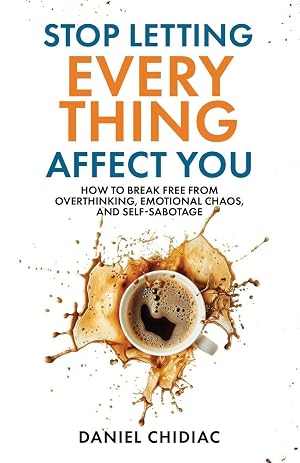
Stop Letting Everything Affect You
Daniel Chidiac
Break Free from Overthinking, Emotional Chaos, and Self-Sabotage
4.8 (12)23 mins

The No-Nonsense Meditation Book
Steven Laureys
A Scientist's Guide to the Power of Meditation
4.8 (160)25 mins
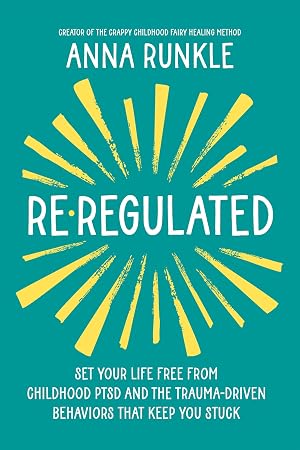
Re-Regulated
Anna Runkle
Set Your Life Free from Childhood PTSD
4.8 (10)21 mins
A Handbook for New Stoics
Massimo Pigliucci and Gregory Lopez
How to Thrive in a World Out of Your Control
4.7 (884)29 mins
The Extended Mind
Annie Murphy Paul
The Power of Thinking Outside the Brain
4.7 (971)30 mins