
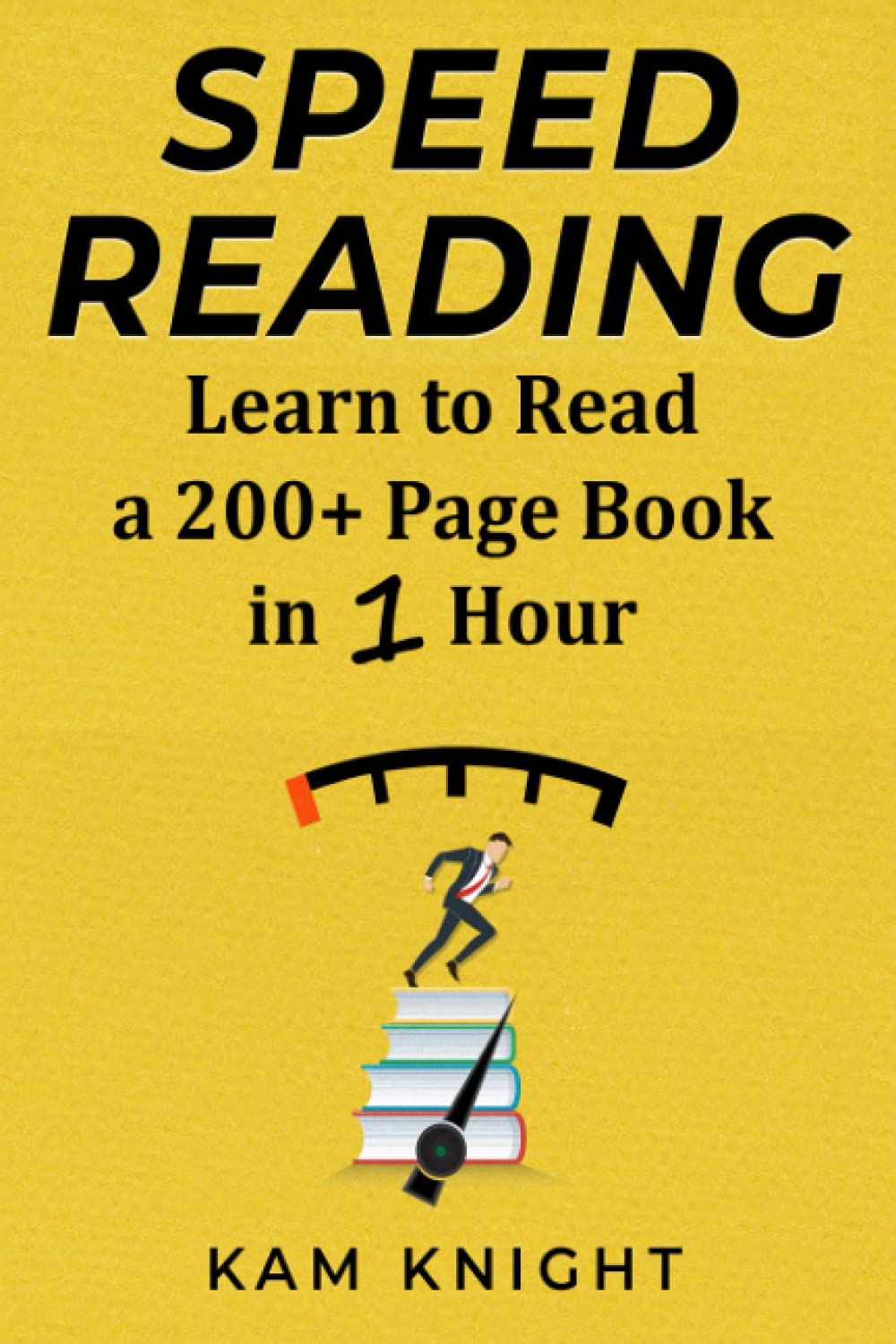
Speed Reading Summary
By Kam Knight
Learn to Read a 200+ Page Book in 1 Hour
Summary preview
Most people think reading faster means rushing. They imagine skimming, missing details, and trading understanding for speed. This book turns that idea upside down. The real message is simple. You can read much faster and understand more when you stop reading in the slow, cramped way you were taught as a child. Speed reading is not about pushing your eyes harder across the page. It is about learning how your mind already works and then using that natural power on purpose. Kam Knight presents reading as a trainable mental skill, not a fixed talent. If you have ever looked at a page and felt your attention drift, if you have reread the same line three times, if you have heard a quiet voice in your head saying every word one by one, then you have already met the habits that make reading slow. The book shows that these habits are common, but they are not permanent. You can replace them. The heart of the book is a shift from word by word reading to idea based reading. Your brain does not need to crawl through every single word to understand meaning. In everyday life, you do not process the world one tiny piece at a time. You recognize patterns, shapes, intentions, and relationships very quickly. Reading can work the same way. Once you trust your eyes to take in larger groups of words and trust your mind to fill in meaning, speed begins to rise naturally. The book also makes an encouraging promise. Improvement does not come from theory alone. It comes from practice that is direct, concrete, and surprisingly doable. You learn how to use your hand as a visual guide, how to widen your eye span, how to cut down subvocalization, and how to build focus before reading even begins. You also learn that reading speed is closely tied to purpose. A novel, a textbook, and a report do not ask for the same approach. Good readers adjust their pace with intention, rather than treating every page the same. Another important theme running through the book is confidence. Slow readers often doubt their memory and comprehension, so they grip the text too tightly. They pause, regress, and second guess. Faster readers move with more trust. That trust is not blind. It grows from seeing, again and again, that the mind understands more than it thinks it does. To illustrate, when you read familiar phrases, you usually understand them instantly without studying each word. The book expands that principle until it becomes a full method. By the time you move through these ideas, speed reading begins to feel less like a trick and more like a reset. You are not becoming unnatural. You are dropping old restrictions. What follows is a practical path toward reading with more speed, more concentration, and more freedom.
Sign up to continue reading
Get access to full book summaries, audio of the summaries, and many more.
Similar Books
Books with a similar vibe—explore more like this.
Productive Failure
Manu Kapur
Unlocking Deeper Learning Through the Science of Failing
4.5 (211)22 mins
Limitless
Jim Kwik
Upgrade Your Brain, Learn Anything Faster, and Unlock Your Exceptional Life
4.5 (557)35 mins
Unlimited Memory
Kevin Horsley
How to Use Advanced Learning Strategies to Learn Faster, Remember More and be More Productive
4.3 (296)25 mins
Next Play
Alan Stein Jr.
Improve Team Performance, Productivity, and Fulfillment
4.9 (34) mins
Why We Sleep
Matthew Walker
Unlocking the Power of Sleep and Dreams
4.8 (1560)17 mins
Alice in Wonderland
Lewis Carroll
Follow Alice down a rabbit hole of whimsical, witty absurdity.
4.8 (5) mins
Beyond Belief
Nir Eyal
How to Stop Limiting Yourself and Achieve Breakthrough Results
4.8 (50) mins
The Science of Self-Discipline
Peter Hollins
Resist Temptation and Achieve Your Goals
4.7 (71)20 mins
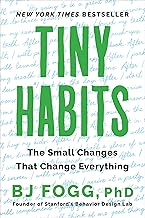
Tiny Habits
BJ Fogg
The Small Changes that Change Everything
4.6 (1075)29 mins
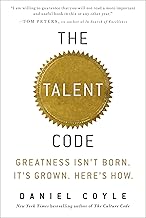
The Talent Code
Daniel Coyle
Greatness Isn't Born. It's Grown. Here's How.
4.6 (667)36 mins