
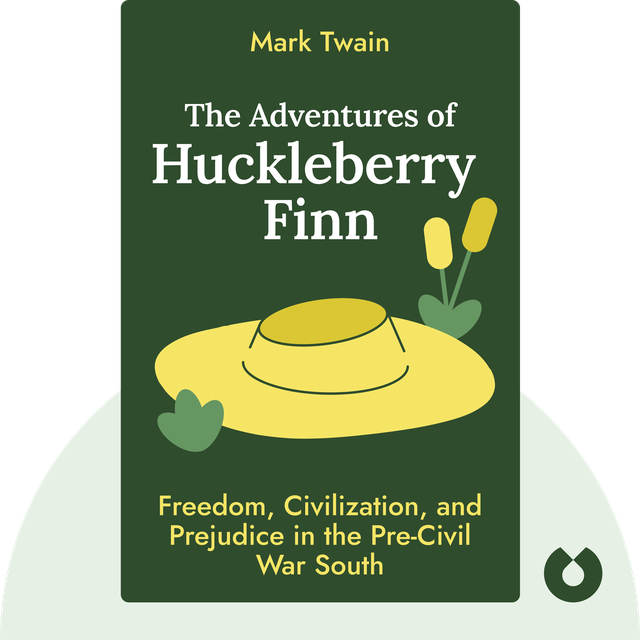
The Adventures of Huckleberry Finn Summary
By Mark Twain
Freedom, Civilization, and Prejudice in the Pre-Civil War South
Summary preview
If you come to this tale looking for a polished young hero with clean hands, a tidy conscience, and manners fit for the parlor, you have took up the wrong book and done a lucky thing by it. This story sets out on the Mississippi River, but it is really about a boy trying to find out what is true in a world where grown folks keep lying about it. Huck Finn has been pushed around by rules, religion, schoolbooks, family feuds, and people who claim to know what is right. Yet the more he listens to his own heart, the clearer the world becomes. The river, wide and shifting, gives him room to see people plain, and what he sees is often foolish, cruel, tender, and funny all at once. The tale begins after earlier adventures have made Huck and Tom Sawyer rich by boy standards, but money and respectability soon feel like traps. Huck is taken in by the Widow Douglas and Miss Watson, who aim to civilize him with decent clothes, prayers, and lessons. He cannot abide it. Then his drunken father returns, hungry for Huck’s money and power over him. What follows is not only an escape from one hard life into another, but the start of a deep companionship between Huck and Jim, Miss Watson’s enslaved man, who has run off in hope of reaching freedom. Their journey down the river gives the book its great beating heart. What makes the story matter is not just what happens, though plenty happens. There are storms, wrecks, murders, disguises, scams, mobs, lost children, and long nights afloat under the stars. It is that every adventure tests Huck’s conscience. He has been taught that helping Jim is wicked. He has also learned through living with Jim that Jim is loyal, loving, frightened, wise in his own fashion, and as human as anybody breathing. So the grand question hanging over the whole voyage is whether Huck will obey the law and custom of his society or the sympathy growing in him day by day. There is a rough, laughing kind of wisdom running through it all. The book delights in tall talk, practical jokes, and folks making fools of themselves. Yet under the fun lies a hard look at slavery, greed, fraud, senseless violence, and the way respectable people excuse what ought to shame them. Mark Twain speaks through Huck in a voice that seems easy and rambling, but it cuts keen. By the end, the story has shown how a boy with little schooling can reach a moral truth that wiser looking people miss entirely. It is a river tale, a runaway tale, and a coming awake tale, all braided together till they carry you along like the current itself.
Sign up to continue reading
Get access to full book summaries, audio of the summaries, and many more.
Similar Books
Books with a similar vibe—explore more like this.
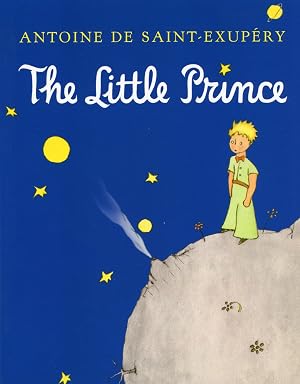
The Little Prince
Antoine de Saint-Exupéry
A Tale About the Human Condition and the Search for Happiness
4.9 (36)22 mins
Nineteen Eighty-Four (1984)
George Orwell
A Dystopian Classic on the Dangers of Totalitarianism
4.9 (697)17 mins
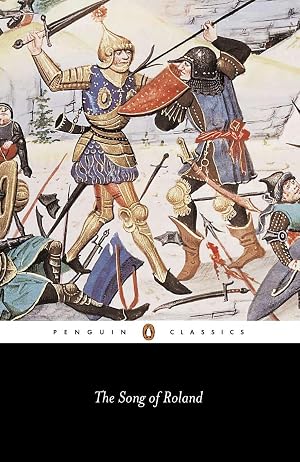
The Song of Roland
Anonymous
Enter a World of Medieval Heroism, Where Honor Reigns Supreme
4.9 (3)20 mins
Hamlet
William Shakespeare
A Young Prince's Tragic Descend Into Madness and Revenge
4.8 (43)28 mins
Little Women
Louisa M. Alcott
A Coming-of-Age Novel about True Love and Finding One's Place in Life
4.8 (19)19 mins
We Have Always Lived in the Castle
Shirley Jackson
Enter a Disturbing Labyrinth of Family Secrets and Dark Neurosis
4.8 (5)14 mins
Romeo and Juliet
William Shakespeare
The Tragic Story of Two Star-Crossed Lovers From Feuding Families
4.8 (20)26 mins
The Midnight Library
Matt Haig
A Fantasy Novel About the Choices That Lead to a Life Well-Lived
4.7 (4782)32 mins
Uncle Tom's Cabin
Harriet Beecher Stowe
The Problem of Slavery and Its Treatment of Human Beings
4.7 (41)25 mins
The Odyssey
Homer
The Ancient Greek Epic Poem About A Hero's Journey Home
4.7 (60)24 mins