
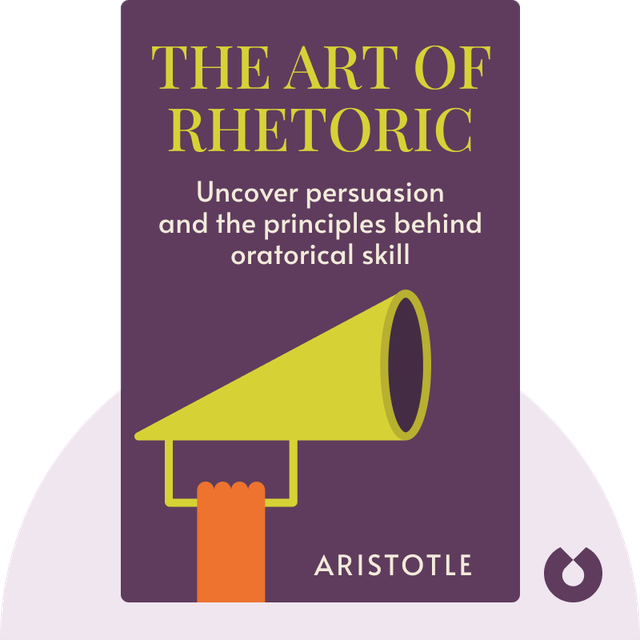
The Art of Rhetoric Summary
By Aristotle
Uncover Persuasion and the Principles Behind Oratorical Skill
Summary preview
When people hear the word rhetoric, they often think of empty talk, clever tricks, or speech made shiny so that weak ideas can pass for strong ones. Yet that is not the road opened here. The aim is far more serious and far more human. We are looking at the craft by which truth, probability, judgment, and feeling meet in public life. We are looking at how one person helps another see what is reasonable, useful, noble, dangerous, just, or unjust. Rhetoric, as Aristotle presents it, is not mere ornament. It is the partner of reason in the world where certainty is rare, where citizens must choose, and where decisions cannot wait for perfect proof. The book begins from a plain observation. We do not live by demonstration alone. In mathematics, one may compel agreement through strict proof. In courts, assemblies, and ceremonies, things are different. We discuss actions, motives, future outcomes, and disputed facts. Here, we need a practical art that can discover the available means of persuasion in each case. That phrase matters. The speaker is not handed a formula. He must look at the occasion, the audience, the issue, the emotions in the room, the character he presents, and the lines of argument most likely to move listeners toward sound judgment. This work is both a defense of rhetoric and a guide to using it well. It pushes back against teachers who reduce speaking to tricks or memorized displays. It also warns that persuasion can be misused, just as strength, wealth, or intelligence can be misused. The answer is not to throw the art away, but to understand it properly. If a true case loses because its defender cannot speak, that is a failure. If people are swayed by anger, pity, habit, or style alone, that too is a failure. Good rhetoric should help what is better become stronger in the hearing of ordinary people. So the book moves carefully through the whole terrain. It explains the kinds of speech used in public life. It shows how arguments are built, especially from signs, examples, and compressed reasoning. It explores human emotions with remarkable sharpness, asking not only what anger or fear is, but when people feel it, toward whom, and why. It studies character types, age, fortune, and political forms, because a speaker must know the souls he addresses. Then it turns to style and arrangement, for even the best thought can stumble if spoken awkwardly. What emerges is a living picture of speech as action. Words do not merely decorate thought. They guide choice. They stir memory. They frame justice. They can calm a crowd or inflame it. They can bring hidden motives to light, make the distant seem near, and give shape to common life. Read in that spirit, this book becomes not a museum piece but a manual for anyone who must persuade, judge, defend, advise, or simply speak to fellow human beings with intelligence and care.
Sign up to continue reading
Get access to full book summaries, audio of the summaries, and many more.
Similar Books
Books with a similar vibe—explore more like this.
Cold Calling Sucks (And That's Why It Works)
Nick Cegelski, Armand Farrokh
A Step-by-Step Guide to Calling Strangers in Sales
4.8 (459)20 mins
Utilitarianism
John Stuart Mill
Explore a Timeless Ethics Classic
4.8 (46)24 mins
Hamlet
William Shakespeare
A Young Prince's Tragic Descend Into Madness and Revenge
4.8 (43) mins
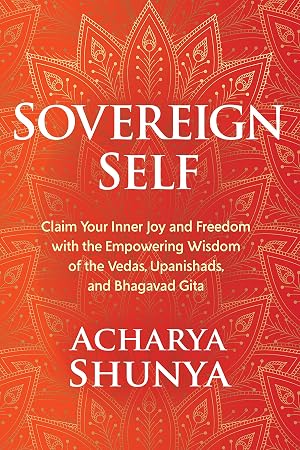
Sovereign Self
Acharya Shunya
Claim Your Inner Joy and Freedom with the Empowering Wisdom of the Vedas, Upanishads, and Bhagavad Gita
4.8 (114) mins
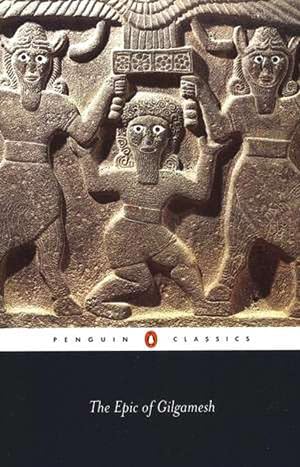
The Epic of Gilgamesh
Anonymous
A timeless tale of friendship, mortality, and the search for meaning
4.8 (34) mins
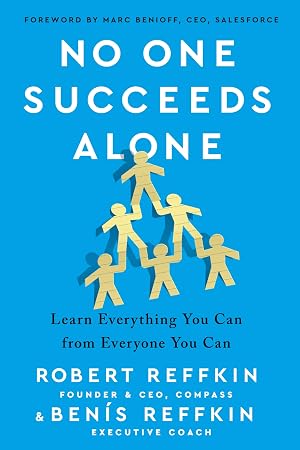
No One Succeeds Alone
Robert Reffkin
Learn Everything You Can from Everyone You Can
4.8 (9) mins

Set Boundaries, Find Peace
Nedra Glover Tawwab
A Guide to Reclaiming Yourself
4.7 (819)27 mins
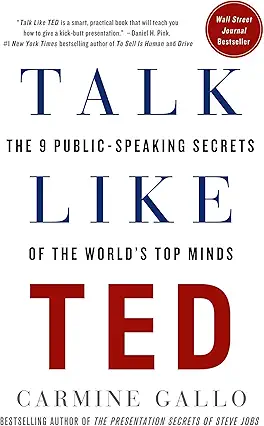
Talk Like TED
Carmine Gallo
The 9 Public Speaking Secrets of the World's Top Minds
4.7 (502)36 mins
The Midnight Library
Matt Haig
A Fantasy Novel About the Choices That Lead to a Life Well-Lived
4.7 (4782)32 mins
The Book of Five Rings
Miyamoto Musashi
A Classic Text on the Japanese Way of the Sword
4.7 (293)23 mins