
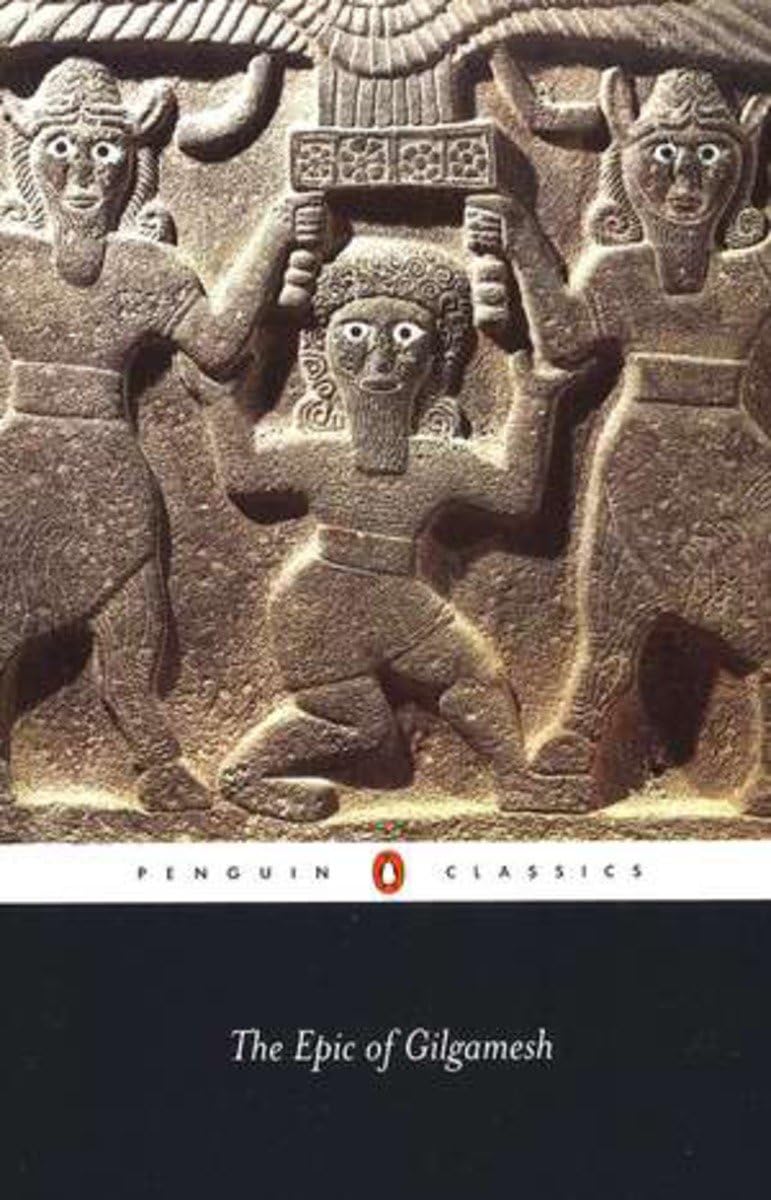
The Epic of Gilgamesh Summary
By Anonymous
A timeless tale of friendship, mortality, and the search for meaning
Summary preview
Come close and listen, for this is one of the oldest stories ever carried by human voices. It rises from the dust of ancient cities, from walls baked in the sun, from temples, rivers, dreams, and grief. The Epic of Gilgamesh, shaped across centuries and preserved under the name Anonymous, tells of a mighty king who seems larger than life and yet aches with the same fears that still trouble every human heart. It is a tale of strength, friendship, pride, love, loss, and the desperate wish to escape death. At the center stands Gilgamesh, king of Uruk. He is magnificent, brilliant, and terrible. He builds great walls and rules a splendid city, but he also uses his power harshly. His people cry out under his force, and the gods answer by creating someone who can stand against him. That answer is Enkidu, a wild man born from clay and wilderness, a creature of the steppe who runs with animals and drinks at water holes. When these two finally meet, what begins as conflict turns into one of the deepest friendships in all literature. Together they rush toward fame. They seek danger not because they must, but because they burn to carve their names into the world. They journey to the Cedar Forest to face Humbaba, its monstrous guardian. Later they confront the Bull of Heaven. Their courage is immense, but so is their arrogance. They believe that heroic action can lift them above ordinary limits. For a while, it seems true. Then the story turns. The gods demand a price. Enkidu falls sick and dies, and the mighty king who once laughed at danger is shattered. Grief strips him bare. He sees for the first time that no strength, no beauty, no kingship can keep death away. From that wound comes the second great movement of the poem. He leaves Uruk and wanders the world in search of everlasting life. That search leads him to tavern keepers, scorpion beings, a ferryman, and at last to Utnapishtim, survivor of the great flood, the one man granted life without end. Along the way the poem asks its hardest questions. What can a human being truly achieve. What remains after the body fails. Is immortality a gift, a curse, or a dream that blinds us to the life already in our hands. This is not a story that promises easy comfort. It begins in restless power and ends in sober wisdom. Yet it is full of vivid adventure, strange beauty, and moments of piercing tenderness. It tells us that to be human is to build, to love, to mourn, to seek meaning, and finally to return home with clearer eyes.
Sign up to continue reading
Get access to full book summaries, audio of the summaries, and many more.
Similar Books
Books with a similar vibe—explore more like this.
Utilitarianism
John Stuart Mill
Explore a Timeless Ethics Classic
4.8 (46)24 mins
Hamlet
William Shakespeare
A Young Prince's Tragic Descend Into Madness and Revenge
4.8 (43)28 mins
The Midnight Library
Matt Haig
A Fantasy Novel About the Choices That Lead to a Life Well-Lived
4.7 (4782)32 mins
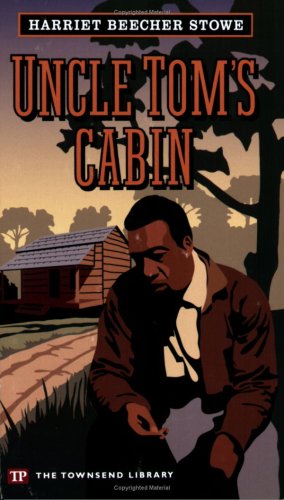
Uncle Tom's Cabin
Harriet Beecher Stowe
The Problem of Slavery and Its Treatment of Human Beings
4.7 (41)25 mins
Bedtime Biography: Isaac Newton
James Gleick
Learn the truth behind the legend
4.7 (45)21 mins
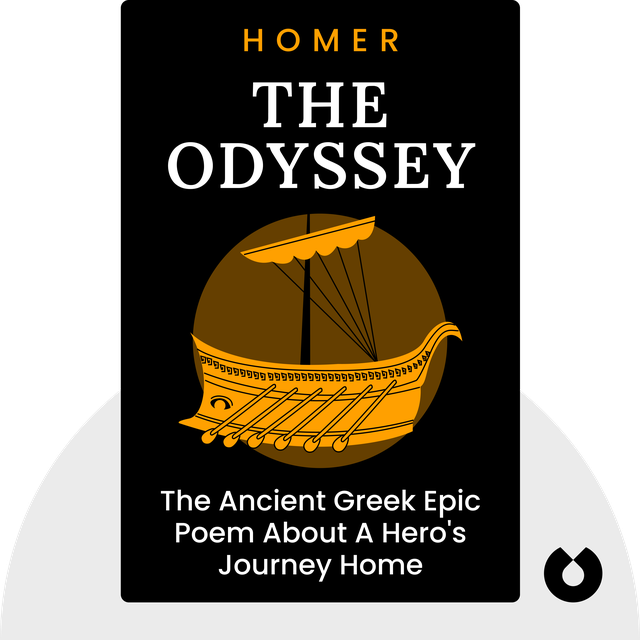
The Odyssey
Homer
The Ancient Greek Epic Poem About A Hero's Journey Home
4.7 (60)24 mins
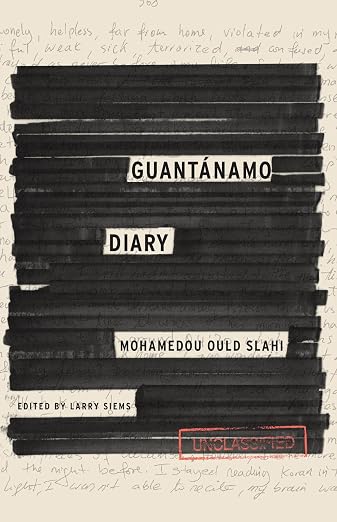
Guantánamo Diary
Mohamedou Ould Slahi, edited by Larry Siems
Guantanamo from the Inside
4.7 (3)27 mins
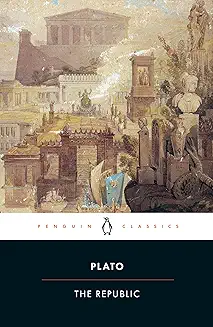
The Republic
Plato
One of the most important philosophical texts ever written
4.6 (1294)39 mins
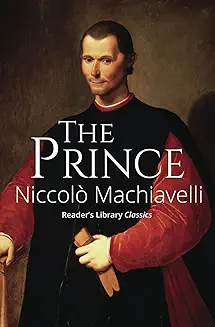
The Prince
Niccolò Machiavelli
Machiavelli’s classic text on leadership and politics
4.6 (973)37 mins
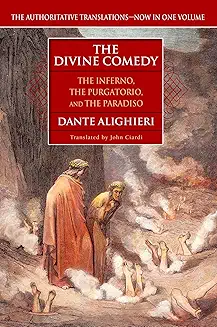
The Divine Comedy
Dante Alighieri
The Inferno, The Purgatorio, and The Paradiso
4.6 (457)27 mins