
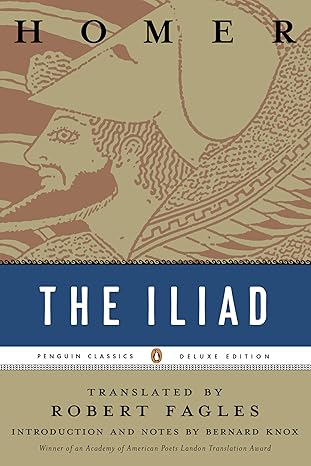
The Iliad
By Homer
The Greek Epic on the End of the Trojan War and Achilles’ Wrath
Introduction
Sing, if you will, of rage. That is where this story begins, and that is what gives it fire. The Iliad is not the whole tale of the Trojan War. It does not start with the judgment of Paris, and it does not end with the wooden horse. Instead, it takes a short stretch near the end of a long war and opens it so wide that it seems to hold all of human life inside it. You will find battle and blood, yes, but also grief, pride, tenderness, prayer, friendship, family love, fear, stubbornness, and the strange way glory can shine right beside ruin. At the heart of the poem stands Achilles, greatest of the Greek fighters, a man almost beyond ordinary measure in strength and speed, yet painfully human in anger and sorrow. His wrath against Agamemnon, the leader of the Greek host, sets the whole poem in motion. What begins as a quarrel over honor becomes a disaster for armies and friends alike. One man feels insulted. Another clings to power. A great warrior refuses to fight. Because of that refusal, many die. The poem never lets you forget how public suffering can spring from private pride. Yet this is not only Achilles' story. The poem moves among many lives and many hearts. Hector, prince of Troy, stands against Achilles as a rival in war, but also as something more moving than a mere enemy. He is a son, husband, and father carrying the burden of a doomed city on his shoulders. Around him stand Priam and Hecuba, Andromache and the little child Astyanax, each showing what war means inside a home. On the Greek side there are kings, fighters, counselors, and restless men who long to return home. Odysseus speaks with craft, Ajax with blunt courage, Diomedes with fierce brilliance, Nestor with the long memory of age. Above and among them move the gods, never distant, never silent. They take sides, scheme, rescue, deceive, wound, and complain. Their power is great, but even they do not erase fate. Instead they make the human world more vivid, not less. The poem shows a universe where divine will, chance, and human choice are tangled together. What gives this poem its lasting force is not only the grandeur of war but the depth of feeling. It can show a spear entering flesh with hard clarity, then turn and show a mother weeping in a doorway. It can praise glory and question its cost in the same breath. Homer makes heroes brilliant, flawed, and mortal. By the end, the poem leads not to triumph but to recognition. Even enemies share grief. Even the mightiest man must bend before loss. And in that sad wisdom, the song becomes larger than war itself.
Sign up to continue reading
Get access to full book summaries, audio of the summaries, and many more.
Similar Books
Books with a similar vibe—explore more like this.

The Diary of a Young Girl
Anne Frank
The famous story of a Jewish girl who went into hiding during the Second World War
4.8 (192)31 mins
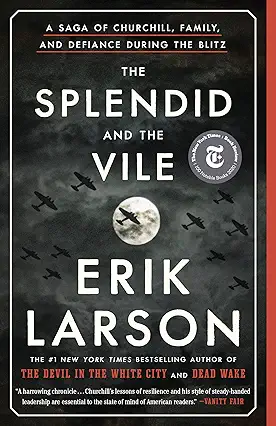
The Splendid and the Vile
Erik Larson
A Saga of Churchill, Family, and Defiance During the Blitz
4.7 (130)45 mins
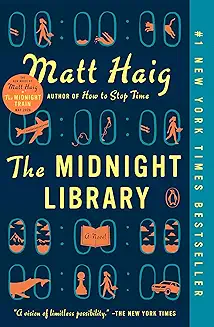
The Midnight Library
Matt Haig
A Fantasy Novel About the Choices That Lead to a Life Well-Lived
4.7 (4782)32 mins
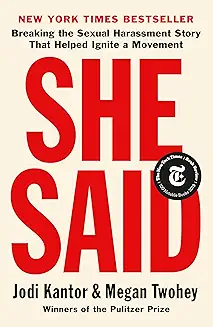
She Said
Jodi Kantor & Megan Twohey
Breaking the Sexual Harassment Story that Helped Ignite a Movement
4.7 (1082)32 mins
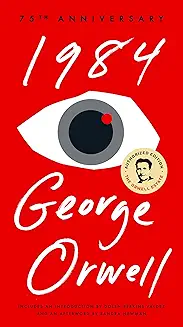
1984
George Orwell
A Dystopian Classic on the Dangers of Totalitarianism
4.7 (1738)16 mins
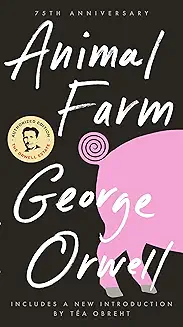
Animal Farm
George Orwell
A Political Satire on the Corrupting Influence of Power
4.7 (793)23 mins
King Leopold's Ghost
Adam Hochschild
A Story of Greed, Terror, and Heroism in Colonial Africa
4.6 (81)37 mins

The Origins of Totalitarianism
Hannah Arendt
Hannah Arendt's landmark work about Europe's anti-Semitic and imperialist roots
4.6 (464)31 mins

The Creative Act
Rick Rubin
A Way of Being
4.6 (512)27 mins
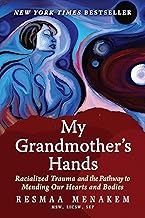
My Grandmother's Hands
Resmaa Menakem
Racialized Trauma and the Pathway to Mending Our Hearts and Bodies
4.6 (167)30 mins