
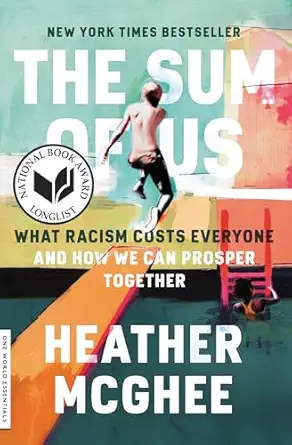
The Sum of Us
By Heather McGhee
What Racism Costs Everyone and How We Can Prosper Together
Introduction
There is a story we tell in America about what is broken and why. We are told that scarcity is natural, that public things fail because government is clumsy, that working people have to fight one another for scraps, and that racial division is simply an unfortunate fact of life. But what if that story is wrong at its core? What if the emptiness so many people feel, the boarded up neighborhoods, the weak safety net, the fear that one accident can ruin a family, all come from a set of choices rooted in racism? And what if those choices wound not only the people pushed to the bottom, but all of us? That is the beating heart of The Sum of Us. Heather McGhee takes us on a journey through history, politics, economics, and everyday life to show how racism is not just a moral problem. It is a costly one. She gives that cost a vivid name, the drained pool. When towns chose to close public swimming pools rather than integrate them, they did more than deny Black families access. They destroyed a public good that white families had enjoyed too. That drained pool becomes a powerful way of seeing the whole country. Again and again, rather than share prosperity across racial lines, America has chosen to gut public goods, weaken protections, and accept loss. What makes this book so alive is that it never stays trapped in theory. It moves through cities and rural towns, union halls and corporate boardrooms, barbecue joints and campaign offices. It listens to workers, parents, activists, researchers, and people who have changed their minds. It shows how race has been used to divide workers who need one another, to sell predatory lending, to block health care, and to justify abandoning schools and neighborhoods. But it also shows something else. People can see through the lie. They can build solidarity. They can recognize that when one group is targeted, the damage spreads outward. The argument here is both hard and hopeful. Hard, because it asks us to look directly at how deeply anti Black racism has shaped the rules of the economy and the boundaries of public life. Hopeful, because if division was made, then it can be unmade. If we built systems that reward hoarding and fear, we can build systems rooted in care and shared abundance. The book is not asking for charity. It is asking for honesty. It is asking us to understand that our fates are linked. And once we really see that, once we understand the true cost of racism, we can begin to imagine a country that chooses everyone.
Sign up to continue reading
Get access to full book summaries, audio of the summaries, and many more.
Similar Books
Books with a similar vibe—explore more like this.
The Big Short
Michael Lewis
Inside the Doomsday Machine
4.5 (1357)36 mins
Utopia for Realists
Rutger Bregman
And How We Can Get There
4.5 (839)31 mins
The $12 Million Stuffed Shark
Don Thompson
The Curious Economics of Contemporary Art
4.4 (573)24 mins
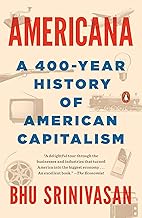
Americana
Bhu Srinivasan
A 400-Year History of American Capitalism
4.3 (123)31 mins
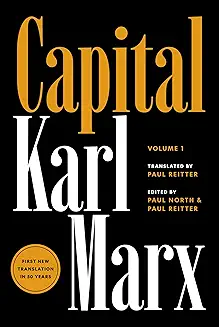
Capital
Karl Marx
A Critique of Political Economy
4.3 (794)24 mins
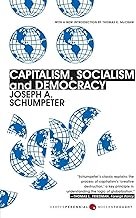
Capitalism Socialism and Democracy
Joseph Schumpeter
Essential analysis on where the world economy is headed
4.3 (728)26 mins
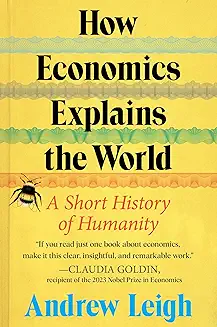
How Economics Explains the World
Andrew Leigh
A Short History of Humanity
4.2 (117)25 mins
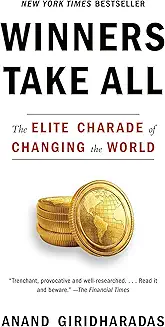
Winners Take All
Anand Giridharadas
The Elite Charade of Changing the World
4.2 (686)26 mins
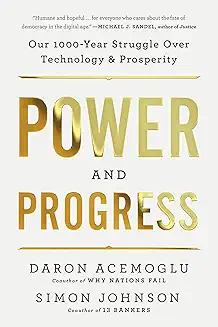
Power and Progress
Daron Acemoglu & Simon Johnson
Our Thousand-Year Struggle Over Technology and Prosperity
4.0 (389)24 mins
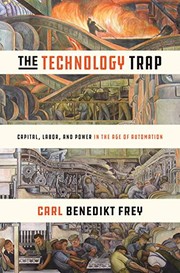
The Technology Trap
Carl Benedikt Frey
Capital, Labor, and Power in the Age of Automation
3.9 (734)18 mins