
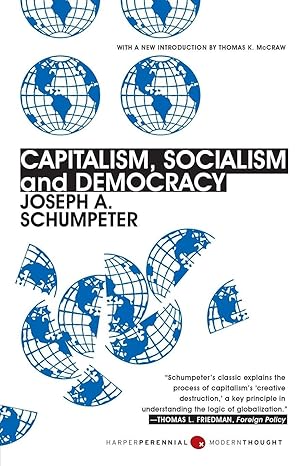
Capitalism Socialism and Democracy
By Joseph Schumpeter
Essential analysis on where the world economy is headed
Introduction
Open this book and you do not enter a quiet lecture hall. You step into a restless workshop where an entire civilization is being taken apart and examined while its engines are still running. Joseph Schumpeter asks a question that sounds simple and then makes it wonderfully troublesome. Can capitalism survive? His answer, famous and unsettling, is that yes, it can do its work, yes, it can create wealth, invention, industry, and a standard of life once thought impossible, and yet no, it may not survive its own success. That is the living nerve of the book. The story here is not a neat fight where capitalism is all virtue and socialism all vice, or the reverse. It is a study of movement, of institutions, of habits of mind, of classes, parties, leaders, intellectuals, and the public mood. The argument turns again and again on one great insight. Capitalism is not a stationary machine. It is a process of change from within. It grows by upsetting what already exists. It creates new firms, new methods, new goods, and new forms of life while pushing old ones aside. That is why one of the most memorable phrases in the book is “creative destruction.” Prosperity arrives through disturbance. Progress has teeth. But the book does not stop with economics. It asks what that economic process does to the social world around it. The very system that builds giant productive power also dissolves the old supports that once protected it. It weakens tradition, authority, family patterns, small proprietors, and heroic images of the businessman. It breeds criticism because educated people multiply faster than the social order can absorb them. It creates bureaucratic organization inside the firm and bureaucratic expectation outside it. It teaches people to think rationally, then leaves them unconvinced by the old moral loyalties on which bourgeois society relied. From there the inquiry widens into socialism and democracy. Socialism is treated not as a dream or a curse word but as a possible form of social organization, one that must be judged by whether it can actually administer production, coordinate decisions, motivate work, and command allegiance. Democracy too is stripped of romantic language. Rather than imagining a people serenely discovering the common good, we are shown political competition among leaders seeking support, with citizens often responding in ways less rational than flattering theory assumes. So this is a book about destiny, but not destiny in a mystical sense. It is about tendencies, pressures, and consequences. It is about how institutions generate the very forces that may undo them. It is lively because it never lets you rest inside slogans. It praises capitalism for its astonishing performance while doubting its future. It explores socialism without piety. It cuts democratic theory down to human size. By the end, you feel that you have not been handed a creed. You have been taught how to watch a civilization think, produce, argue, and perhaps transform itself into something new.
Sign up to continue reading
Get access to full book summaries, audio of the summaries, and many more.
Similar Books
Books with a similar vibe—explore more like this.
The Big Short
Michael Lewis
Inside the Doomsday Machine
4.5 (1357)36 mins
Utopia for Realists
Rutger Bregman
And How We Can Get There
4.5 (839)31 mins
The $12 Million Stuffed Shark
Don Thompson
The Curious Economics of Contemporary Art
4.4 (573)24 mins
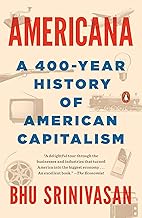
Americana
Bhu Srinivasan
A 400-Year History of American Capitalism
4.3 (123)31 mins
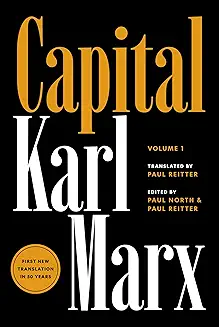
Capital
Karl Marx
A Critique of Political Economy
4.3 (794)24 mins

The Sum of Us
Heather McGhee
What Racism Costs Everyone and How We Can Prosper Together
4.3 (628)25 mins
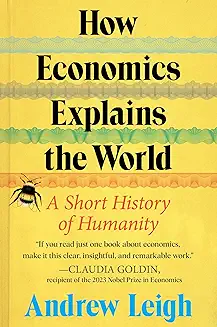
How Economics Explains the World
Andrew Leigh
A Short History of Humanity
4.2 (117)25 mins
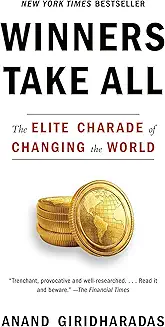
Winners Take All
Anand Giridharadas
The Elite Charade of Changing the World
4.2 (686)26 mins
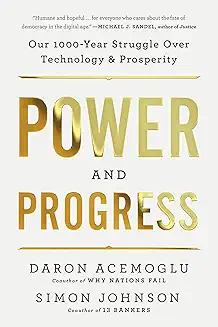
Power and Progress
Daron Acemoglu & Simon Johnson
Our Thousand-Year Struggle Over Technology and Prosperity
4.0 (389)24 mins
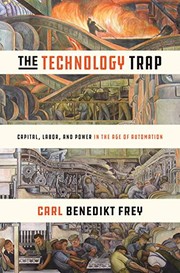
The Technology Trap
Carl Benedikt Frey
Capital, Labor, and Power in the Age of Automation
3.9 (734)18 mins