
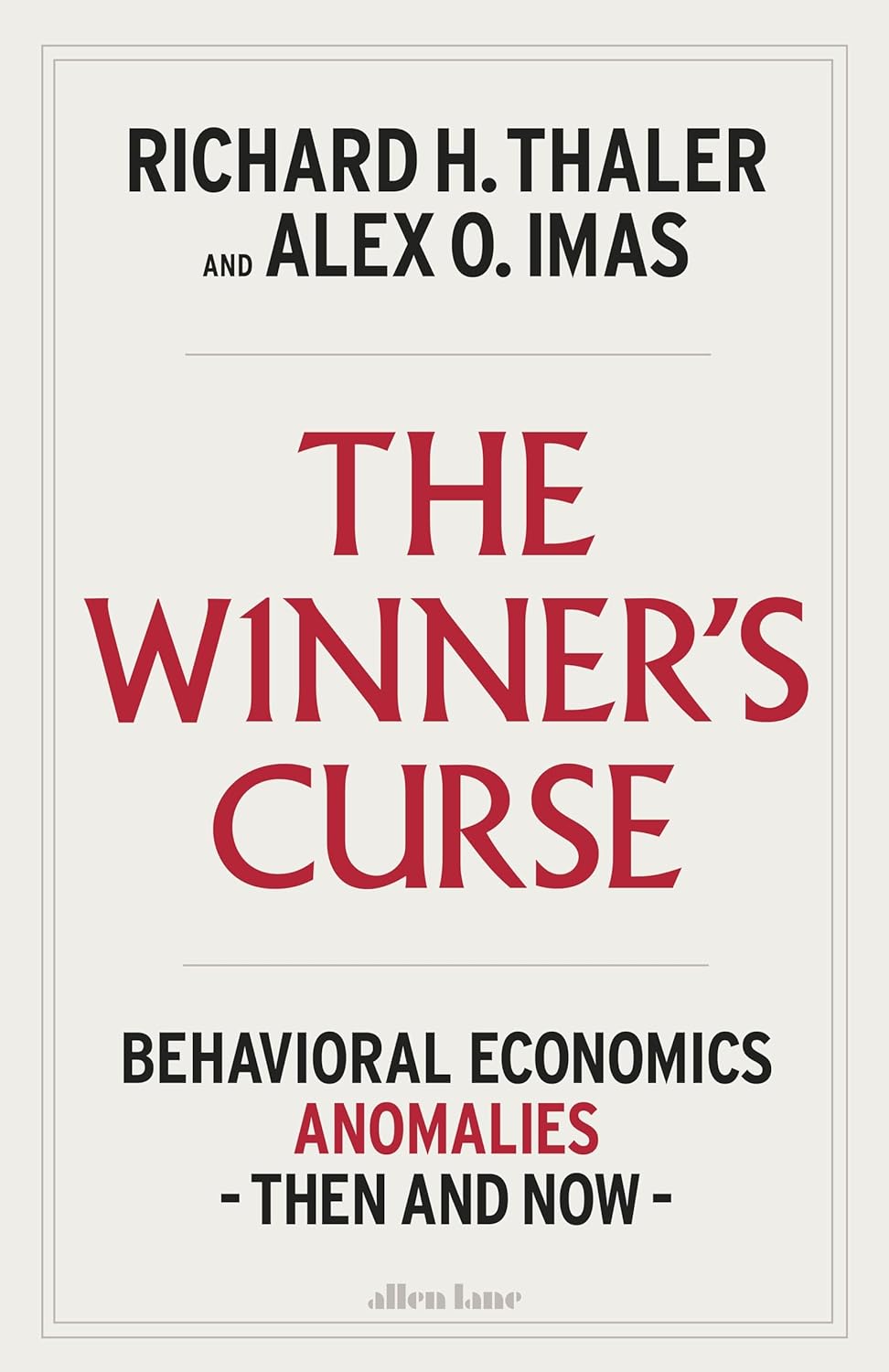
The Winner's Curse Summary
By Richard H. Thaler, Alex O. Imas
Behavioral Economics Anomalies Then and Now
Summary preview
Suppose you walk into an auction, raise your hand with confidence, win the prize, and then feel a little sick. Why? Because if everyone else backed away sooner than you did, maybe they knew something you did not. That uneasy feeling sits at the heart of The Winner's Curse, where Richard H. Thaler and Alex O. Imas invite you to look closely at the strange ways people make choices when the stakes are real, the information is messy, and the desire to win can quietly overpower good judgment. The book is about far more than auctions, even though auctions provide the vivid starting point. It is really about a deeper and more universal problem. Human beings do not simply calculate, compare, and choose like flawless machines. We bring pride, fear, overconfidence, ego, habits, and stories about ourselves into every decision. We chase bargains, cling to bad investments, hate losses more than we enjoy gains, and often convince ourselves that this time our instincts are perfectly sound. Then reality arrives. What makes this journey so engaging is that it never stays trapped in theory. The ideas move from bidding wars to business deals, from financial markets to everyday consumer choices, from laboratory experiments to moments you can easily recognize in your own life. The so called winner's curse becomes a lens for understanding why smart people overpay for companies, why competitors escalate commitment long after they should stop, and why markets can punish confidence that is not matched by humility. At the center of the book is behavioral economics, the field that asks what actually happens when real people decide under uncertainty. Instead of assuming that mistakes are rare and wisdom is automatic, the book shows that predictable errors appear again and again. That is not a reason for despair. It is actually useful news. If our errors have patterns, we can learn to spot them. We can design better rules, ask better questions, and build systems that protect us from our own impulses. There is also a playful spirit running through the argument. The lessons are serious, but the tone is not scolding. You are not being told that people are foolish and hopeless. You are being shown that people are human, and that humanness leaves fingerprints on every negotiation, investment, and competitive contest. Once you see those fingerprints, you start to notice them everywhere. What follows is a tour through the traps hidden inside winning, the psychology that feeds those traps, the evidence that reveals them, and the practical wisdom that can help you avoid paying too much simply because you wanted victory more than value.
Sign up to continue reading
Get access to full book summaries, audio of the summaries, and many more.
Similar Books
Books with a similar vibe—explore more like this.
An Economist Walks into a Brothel
Allison Schrager
And Other Unexpected Places to Understand Risk
4.2 (275)22 mins
Believe It to Achieve It
Brian Tracy, Christina Stein
Overcome Your Doubts, Let Go of the Past, and Unlock Your Full Potential
4.8 (32)22 mins

Othello
William Shakespeare
Love, Betrayal, and the Fall of a Hero
4.8 (14)22 mins
Stop Letting Everything Affect You
Daniel Chidiac
Break Free from Overthinking, Emotional Chaos, and Self-Sabotage
4.8 (12)23 mins
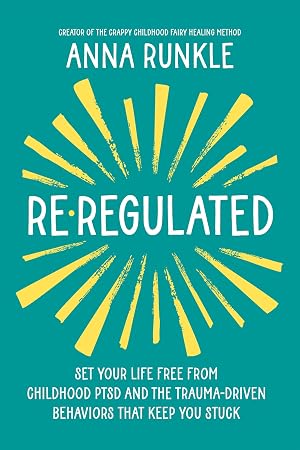
Re-Regulated
Anna Runkle
Set Your Life Free from Childhood PTSD
4.8 (10)21 mins
A Handbook for New Stoics
Massimo Pigliucci and Gregory Lopez
How to Thrive in a World Out of Your Control
4.7 (884)29 mins
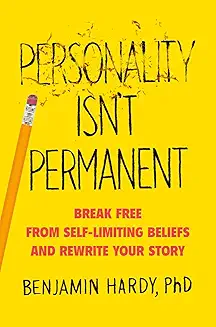
Personality Isn't Permanent
Benjamin Hardy
Break Free from Self-Limiting Beliefs and Rewrite Your Story
4.7 (548)24 mins
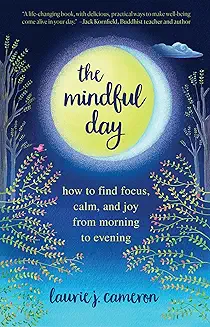
The Mindful Day
Laurie J. Cameron
Practical Ways to Find Focus, Calm, and Joy From Morning to Evening
4.7 (378)23 mins
The Grieving Body
Mary-Frances O'Connor
How the Stress of Loss Can Be an Opportunity for Healing
4.7 (9)22 mins

The Science of Self-Discipline
Peter Hollins
Resist Temptation and Achieve Your Goals
4.7 (71)20 mins