
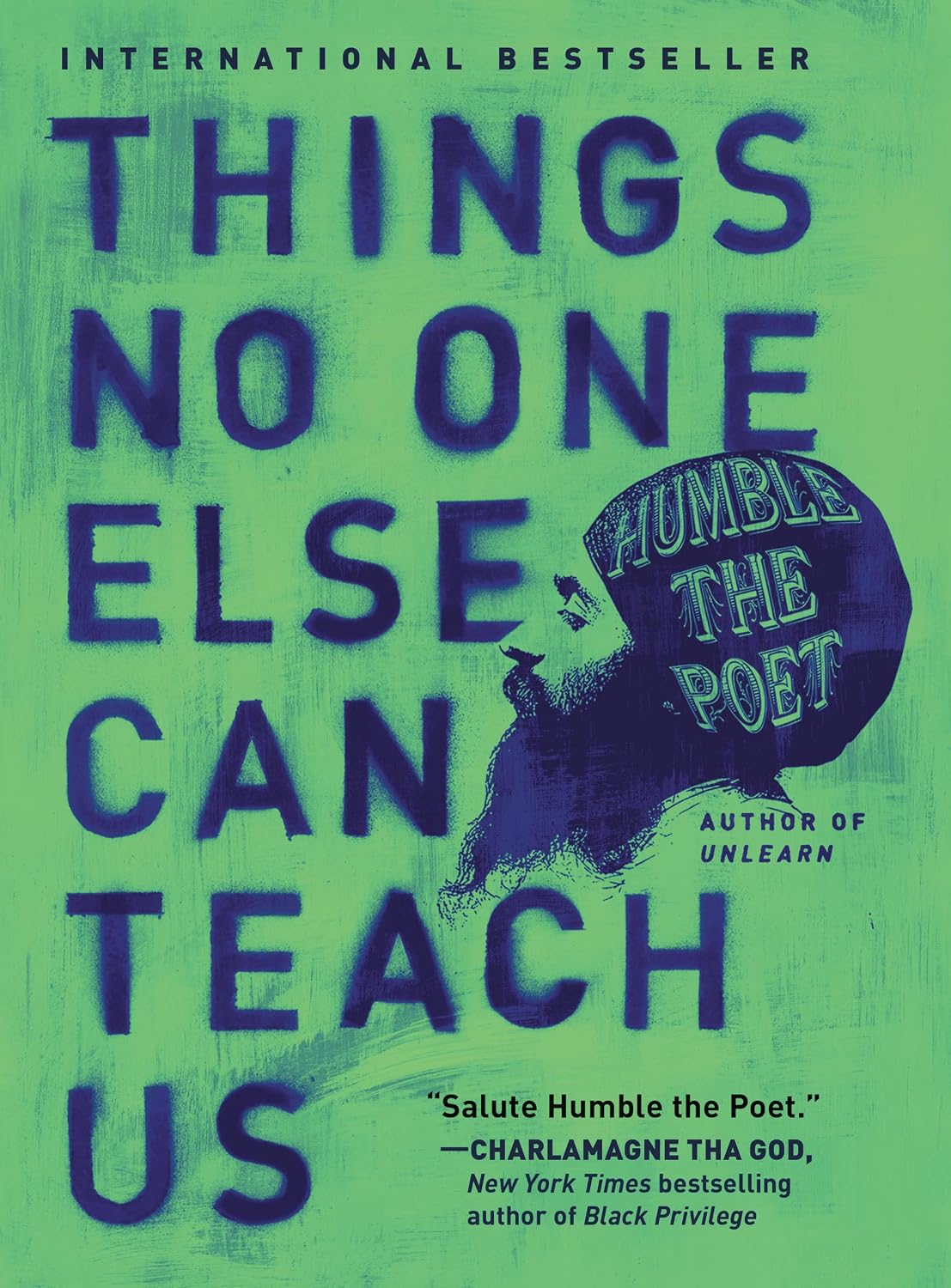
Things No One Else Can Teach Us Summary
By Humble the Poet
Turning Losses Into Lessons
Summary preview
Some lessons do not arrive in a classroom, and they do not show up because somebody older, smarter, or more successful sat us down and handed us the answer. They show up when life punches us in the chest, when our plans fall apart, when our heart gets cracked open, and when we finally get honest enough to admit that we are confused, scared, lonely, or stuck. That is the space this book lives in. It is not trying to hand you a perfect formula for a perfect life. It is trying to help you build a better relationship with yourself so you can face life with more awareness, more courage, and a lot less pretending. At its core, Things No One Else Can Teach Us is about the difference between information and wisdom. Information can be borrowed. Wisdom has to be earned. People can advise you, warn you, inspire you, and love you, but they cannot live your lessons for you. Some truths only become real after you have felt them in your own body. That is why the book keeps returning to the hard stuff most of us try to avoid, pain, rejection, failure, uncertainty, insecurity, heartbreak, and change. These are not side issues. They are the training ground. The voice is personal and direct because the message is personal and direct. Humble the Poet does not speak from a pedestal. He speaks like somebody who has stumbled, doubted himself, chased approval, made mistakes, and slowly learned that the life most people are sold is often built on fear, ego, and performance. He uses stories from his own life, from his Punjabi Sikh upbringing, from his time as a teacher, artist, and creator, and from the everyday struggles we all recognize. For example, he often shows how we try to win at life by collecting external proof, status, relationships, attention, achievement, while quietly neglecting the internal work that actually creates peace. What makes the book stick is that it is not interested in empty positivity. It does not ask you to pretend that pain is cute or that growth is clean. It asks something much more useful. It asks you to stop running from your own experience. A line that captures the spirit of the book is, “Experience is a brutal teacher, but you learn. My God, do you learn.” That is the heartbeat here. The bruises matter. The disappointments matter. The seasons where you feel lost matter. They can become teachers if you are willing to pay attention. So what unfolds is a conversation about self worth, relationships, purpose, discipline, healing, and freedom. Not the shiny kind of freedom where nothing hurts, but the real kind where you no longer let fear make all your decisions. The book wants you to see that nobody else can hand you your life. They can point. They can support. They can love. But the deeper work of understanding who you are, what you need, what hurts you, and what you...
Sign up to continue reading
Get access to full book summaries, audio of the summaries, and many more.
Similar Books
Books with a similar vibe—explore more like this.
Surrender to Lead
Jessica Kriegel, Joe Terry
The Counterintuitive Approach to Driving Extraordinary Results
4.9 (7)21 mins
Girl Code
Cara Alwill Leyba
Secrets to Sanity and Success for the Female Entrepreneur
4.9 (4)21 mins
The Gift of Struggle
Bobby Herrera
Life-Changing Lessons About Leading
4.8 (22)21 mins
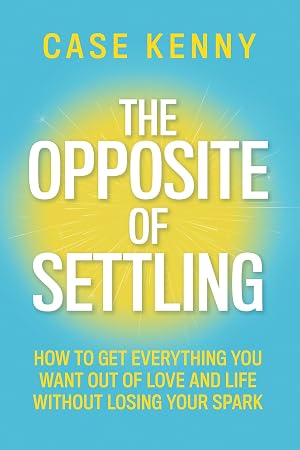
The Opposite of Settling
Case Kenny
Get What You Want in Love and Life, Without Losing Your Spark
4.8 (13)25 mins
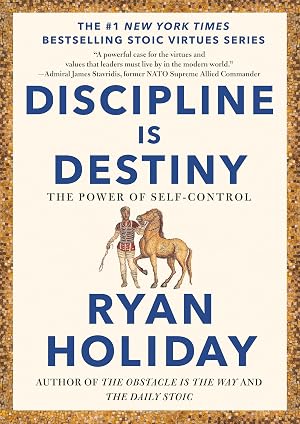
Discipline Is Destiny
Ryan Holiday
The Power of Self-Control
4.8 (891)19 mins
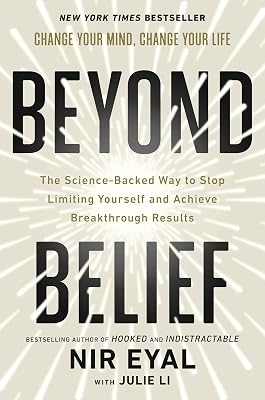
Beyond Belief
Nir Eyal
How to Stop Limiting Yourself and Achieve Breakthrough Results
4.8 (50)21 mins
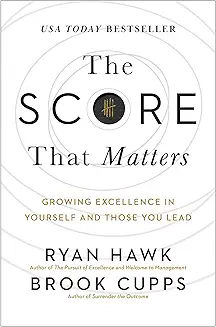
The Score That Matters
Ryan Hawk, Brook Cupps
Growing Excellence in Yourself and Those You Lead
4.7 (368)17 mins
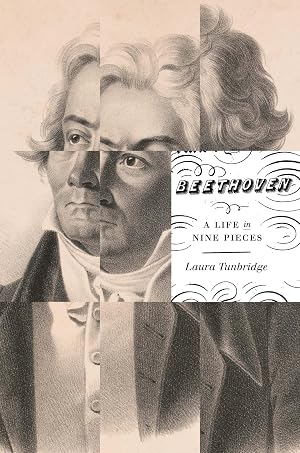
Beethoven
Laura Tunbridge
A Life in Nine Pieces
4.7 (24)34 mins
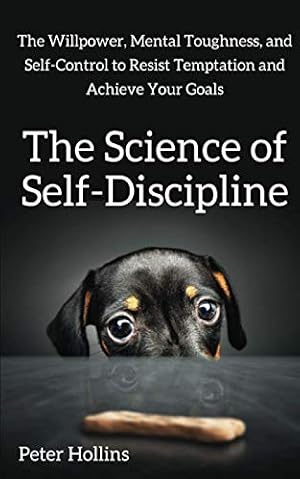
The Science of Self-Discipline
Peter Hollins
Resist Temptation and Achieve Your Goals
4.7 (71)20 mins
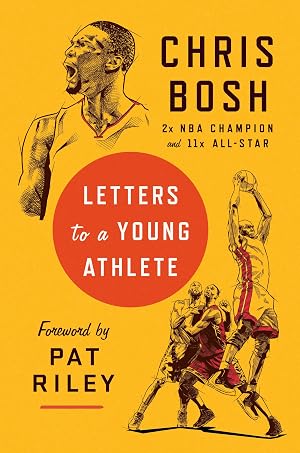
Letters to a Young Athlete
Chris Bosh
An NBA Champion's Hard-Earned Wisdom on the Road to Self-Mastery
4.7 (68)25 mins