

A Monk's Guide to Happiness Summary
By Gelong Thubten
Meditation in the 21st Century
Summary preview
Happiness can seem strangely slippery. We chase it in success, comfort, relationships, entertainment, even in self improvement, and yet it often feels like it disappears the moment we try to hold on to it. A Monk’s Guide to Happiness begins with this familiar problem and offers a simple but radical message. Real happiness is not something you hunt for outside yourself. It is something you uncover within your own mind. The great surprise is that this does not require a perfect life. It does not depend on getting rid of pain, uncertainty, stress, or loss. It comes from changing your relationship to all of those things. The book grows out of a life that moved from anxiety and inner turmoil into deep contemplative practice. Gelong Thubten speaks not as someone offering abstract ideas from a distance, but as someone who has wrestled with fear, insecurity, illness, addiction to busyness, and the restless urge to escape discomfort. He shares how he left a successful acting career after a breakdown, entered a monastery, and slowly learned that the mind can be trained. This is one of the most hopeful ideas in the whole book. We often think our thoughts and emotions simply happen to us. Here, you are invited to see that attention can be strengthened, habits can be softened, and peace can be cultivated. At the heart of the book is meditation, but not as a narrow technique reserved for monks or spiritual experts. It is presented as a practical way of becoming intimate with your own experience. Instead of running from difficult feelings, numbing them, or covering them with forced positivity, you learn to turn toward them with kindness and curiosity. The paradox is beautiful. When you stop fighting your inner world, it begins to loosen. When you allow pain to be there, it often becomes more workable. When you stop making happiness into a demand, joy becomes more available. The book also challenges several common myths. It questions the idea that being busy means being important, that pleasure is the same as happiness, that self criticism leads to growth, and that control brings safety. Again and again, it returns to a gentler truth. Happiness is bound up with acceptance, compassion, presence, gratitude, and the courage to let go. The aim is not to become detached in a cold way. It is to become deeply alive, deeply loving, and less imprisoned by fear. What follows is a guide to that inner training. It shows how suffering is created by resistance, how meditation reveals the patterns of the mind, how compassion transforms our wounds, and how real freedom appears when we stop building our identity around struggle. The journey is personal, practical, and deeply human. It asks you to pause, breathe, and discover that the peace you are longing for may already be closer than you think.
Sign up to continue reading
Get access to full book summaries, audio of the summaries, and many more.
Similar Books
Books with a similar vibe—explore more like this.
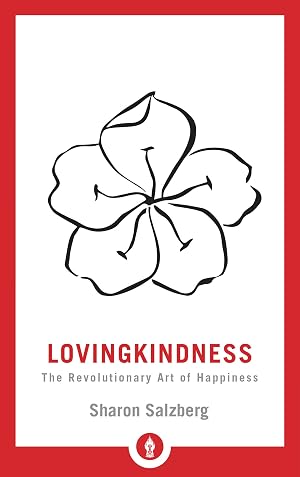
Lovingkindness
Sharon Salzberg
The Revolutionary Art of Happiness
4.9 (88)27 mins
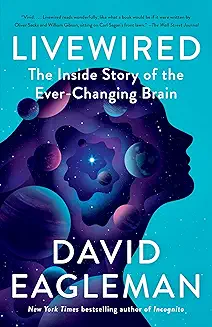
Livewired
David Eagleman
The inside story of the Ever-changing brain
4.8 (544)28 mins
The Yoga Sutras of Patanjali
Translated and commentated on by Sri Swami Satchidananda
Timeless Teachings for Mind, Body, and Emotional Harmony
4.8 (320)32 mins
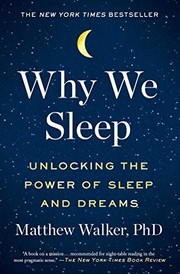
Why We Sleep
Matthew Walker
Unlocking the Power of Sleep and Dreams
4.8 (1560)17 mins
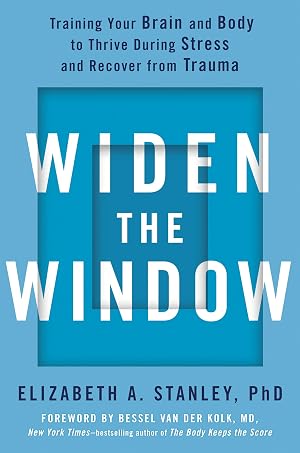
Widen the Window
Elizabeth A. Stanley
Training Your Brain and Body to Thrive During Stress and Recover from Trauma
4.8 (158)27 mins
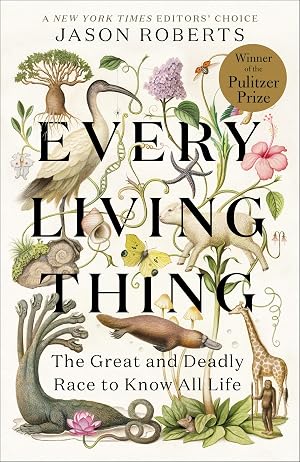
Every Living Thing
Jason Roberts
The Great and Deadly Race to Know All Life
4.8 (7)22 mins
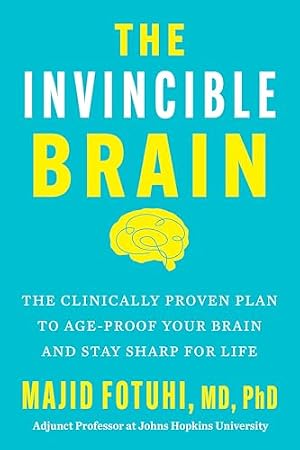
The Invincible Brain
Majid Fotuhi
The Clinically Proven Plan to Age-Proof Your Brain
4.8 (64)21 mins
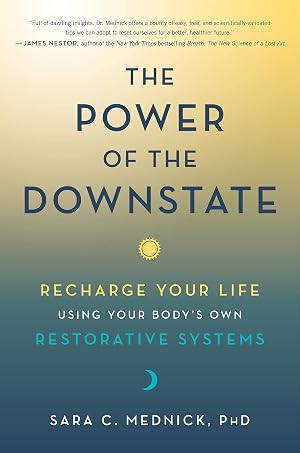
The Power of the Downstate
Sara C. Mednick
The New Science to Ignite Energy, Enhance Sharpness, and Reclaim Balance
4.8 (146)18 mins
Re-Regulated
Anna Runkle
Set Your Life Free from Childhood PTSD
4.8 (10)21 mins
The Joy of Movement
Kelly McGonigal
How Exercise helps us find Happiness, Hope, Connection, and Courage
4.7 (295)25 mins