
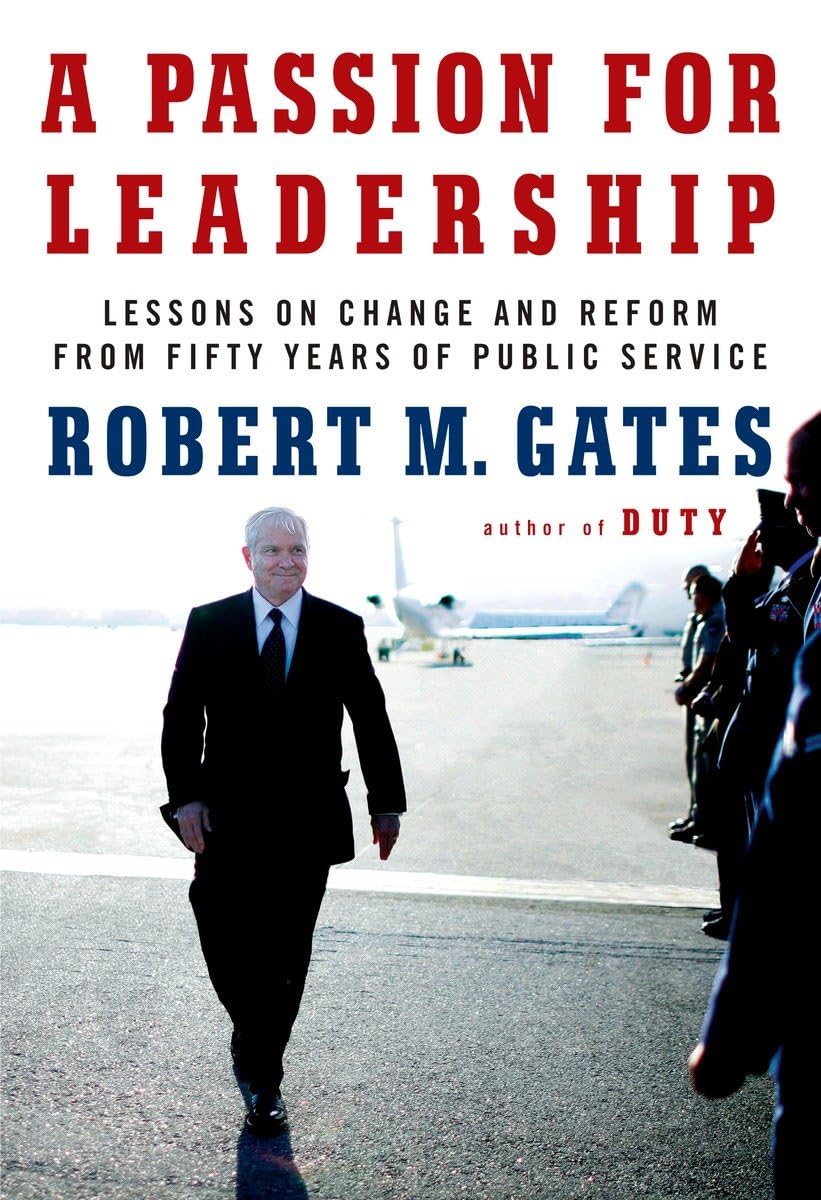
A Passion for Leadership Summary
By Robert M. Gates
Lessons on Change and Reform from Fifty Years of Public Service
Summary preview
Leadership is talked about so often that it can start to sound like a slogan. Yet the life of an institution rises or falls on whether someone at the top knows how to set direction, make hard choices, and bring people along without losing sight of the mission. That is the heart of A Passion for Leadership. Robert M. Gates writes from long experience in government, intelligence, universities, and public service, and he is trying to answer a practical question. How do you actually lead a large, tradition bound, often resistant organization and make it better without breaking it? The book is not a string of airy theories. It is grounded in lived experience, especially in the years spent running the Department of Defense. The challenge there was immense. The organization was vast, proud, and deeply complex. It was at war, under pressure from Congress, watched by the public, and full of competing interests. Yet the lessons reach far beyond the Pentagon. They apply to businesses, schools, nonprofits, hospitals, and any place where good people work inside systems that can become slow, political, and defensive. What makes this book stand out is its honesty. Leadership here is not romantic. It is not about charisma alone, and it certainly is not about issuing commands from a distance. It is about understanding the culture you inherit, learning who holds real power, and deciding what matters enough to fight for. It is about choosing a few clear priorities instead of drowning everyone in initiatives. It is about listening closely, speaking plainly, rewarding courage, and refusing to tolerate mediocrity when the mission is important. At the same time, there is a strong moral current running through the book. The point of leadership is not simply to win arguments or climb higher. It is to serve the institution and the people inside it. That means protecting them when you can, asking more of them when you must, and remembering that trust is your greatest currency. If people believe you are fair, informed, and serious, they will often follow you through painful change. If they do not, no strategy memo will save you. The story that unfolds is both personal and practical. You see a leader entering a huge bureaucracy, learning where the obstacles are, and building momentum through action. You also get a field guide to reform. How do you handle rivals, skeptics, and entrenched habits? How do you keep your word, use time well, and avoid being consumed by trivia? How do you know when to compromise and when to draw a hard line? These are the questions the book keeps returning to, and its answer is clear. Leadership begins with purpose, but it succeeds through discipline, courage, and relentless follow through.
Sign up to continue reading
Get access to full book summaries, audio of the summaries, and many more.
Similar Books
Books with a similar vibe—explore more like this.

Financial Literacy for Managers
Richard A. Lambert
Finance and Accounting for Better Decision-Making
4.6 (22) mins
The Trusted Learning Advisor
Keith Keating
The Tools, Techniques and Skills You Need to Make L&d a Business Priority
4.5 (3) mins
Smart Startups
Catalina Daniels, James H. Sherman
Tried and True Advice from 18 Harvard Business School Founders
4.2 (8)22 mins

The Modern Learning Ecosystem
JD Dillon
A New L&D Mindset for the Ever-Changing Workplace
4.2 (5) mins
The 12-Week MBA
Nathan Kracklauer & Bjorn Billhardt
Learn the Skills You Need to Lead in Business Today
4.2 (32) mins
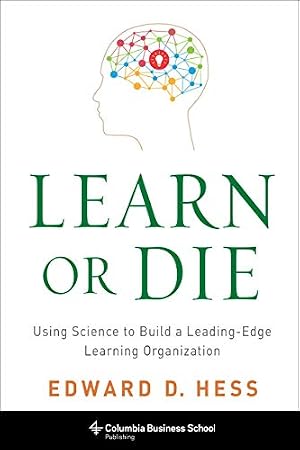
Learn or Die
Edward D. Hess
Using Science to Build a Leading-Edge Learning Organization
4.0 (22) mins
Driving Performance Through Learning
Andy Lancaster
Develop Employees through Effective Workplace Learning
3.9 (215)24 mins
Surrender to Lead
Jessica Kriegel, Joe Terry
The Counterintuitive Approach to Driving Extraordinary Results
4.9 (7) mins
Next Play
Alan Stein Jr.
Improve Team Performance, Productivity, and Fulfillment
4.9 (34) mins

The Brand Benefits Playbook
Allen Weiss, Debbie J. MacInnis
Why Customers Aren't Buying What You're Selling--And What to Do About It
4.8 (803)20 mins