
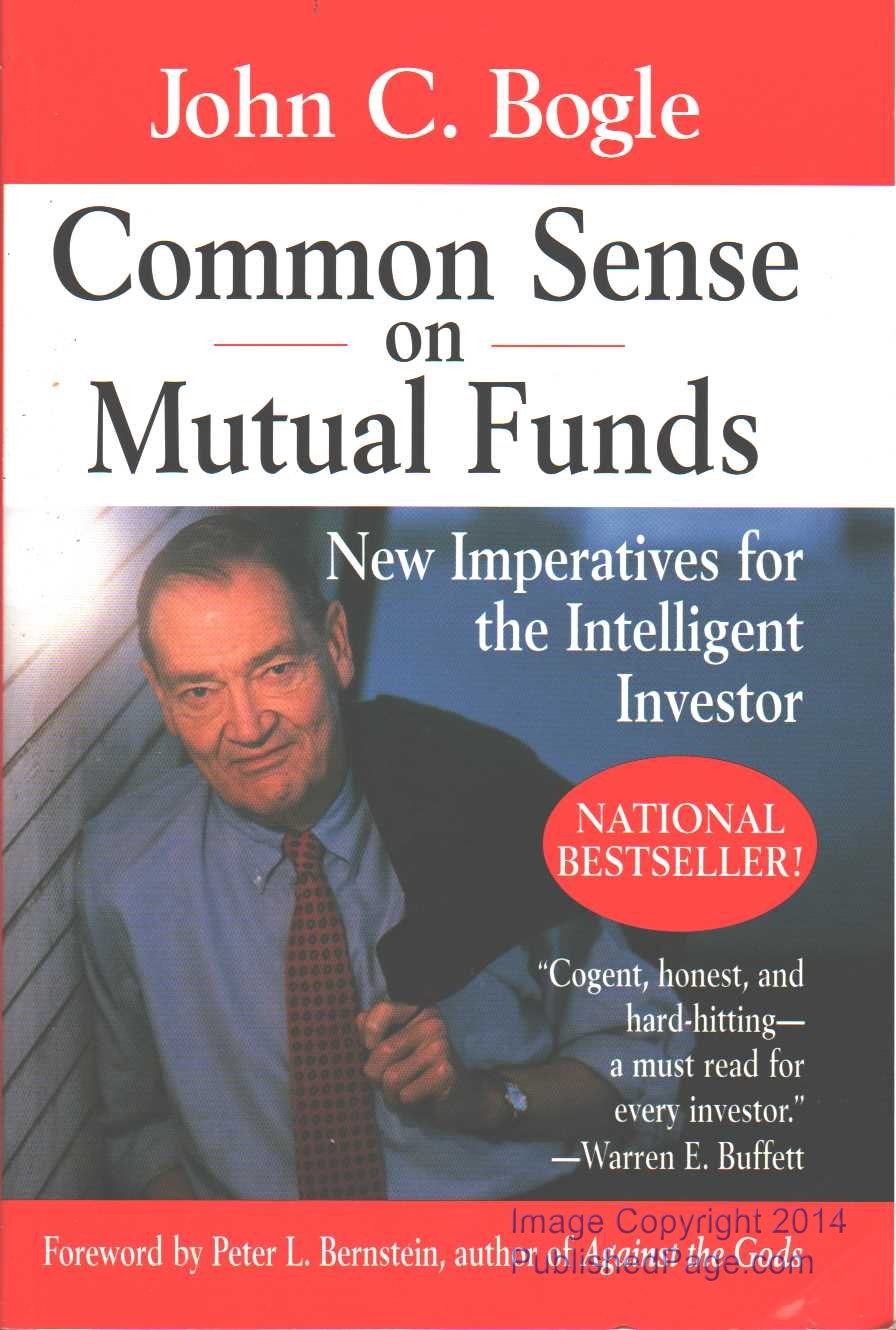
Common Sense on Mutual Funds Summary
By John C. Bogle
New Imperatives for the Intelligent Investor
Summary preview
If you want to invest well, you do not need magic, secret signals, or a genius whispering stock tips in your ear. You need common sense. That is the beating heart of Common Sense on Mutual Funds. John C. Bogle sets out to do something both simple and radical. He wants to clear away the fog that surrounds investing and show you what really drives long term results. He is not selling excitement. He is not promising that you will outsmart the crowd. He is asking you to face a plain truth that the financial business often prefers to hide. Investing returns are generous enough on their own, but the system built around investing takes too much of them away. The book is a long, steady argument for reason over fashion. It begins with a basic fact. The stock market, over time, creates real returns through the growth of business, dividends, and corporate earnings. Those returns belong to investors as a group before costs. But after fees, sales charges, trading expenses, taxes, and the endless friction of speculation, investors as a group must fall short of the market they collectively own. That arithmetic is not glamorous, but it is brutal. Once you grasp it, many cherished beliefs about mutual funds begin to crack. From there, the book opens into a larger story about what happened to investing itself. Mutual funds were created as a fair and practical tool to help ordinary people share in the returns of business. Yet over time, too many funds became marketing machines. They chased performance, launched trendy products, traded too much, charged too much, and encouraged investors to behave badly. The result was a costly cycle of hope, disappointment, and needless complexity. What should have been a patient partnership in wealth building often turned into a guessing game. The answer offered here is not clever. It is disciplined. Own the whole market through a low cost index fund. Keep expenses tiny. Diversify broadly. Stay the course. Ignore hot managers and hot sectors. Measure success over decades, not quarters. Let compounding work for you instead of letting costs work against you. That message may sound modest, but the book shows again and again that modesty is exactly where power lies. What makes this book memorable is that it does more than argue for index funds. It exposes the habits, incentives, and illusions that make simple investing so hard to follow. It explains why investors sabotage themselves by chasing yesterday’s winners. It shows why taxes matter deeply. It examines how fund managers and fund companies often prosper even when fund shareholders do not. And it keeps returning to a moral idea that runs underneath the arithmetic. The purpose of investing is to serve the investor, not the other way around. So what you get here is both a guide and a corrective. It is a reminder that successful investing is not about doing extraordinary things. It is about consistently doing ordinary things right, while resisting a world...
Sign up to continue reading
Get access to full book summaries, audio of the summaries, and many more.
Similar Books
Books with a similar vibe—explore more like this.
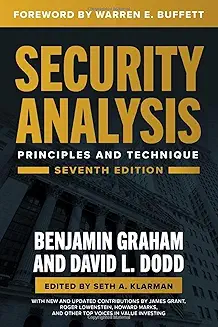
Security Analysis
Benjamin Graham & David Dodd
Principles and Techniques
4.4 (748)26 mins
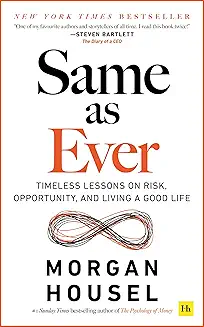
Same as Ever
Morgan Housel
A Guide to What Never Changes
4.2 (426)24 mins
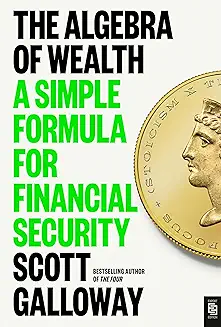
The Algebra of Wealth
Scott Galloway
A Simple Formula for Financial Security
3.9 (178)21 mins
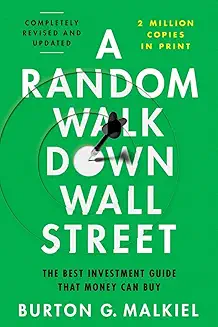
A Random Walk Down Wall Street
Burton G. Malkiel
The Time-Tested Strategy for Successful Investing
3.9 (694)17 mins
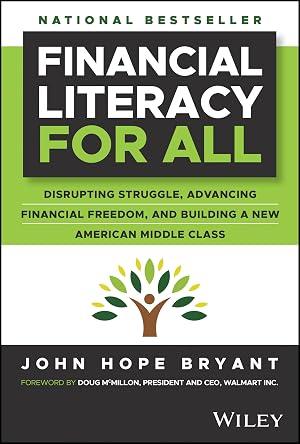
Financial Literacy for All
John Hope Bryant
Disrupting Struggle, Advancing Financial Freedom, and Building a New American Middle Class
3.2 (19)25 mins
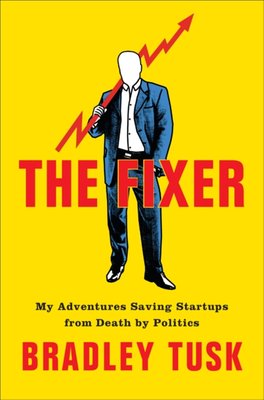
The Fixer
Bradley Tusk
Saving Startups from Death by Politics
4.8 (5)32 mins
The Bitcoin Standard
Saifedean Ammous
The Decentralized Alternative to Central Banking
4.6 (291)34 mins
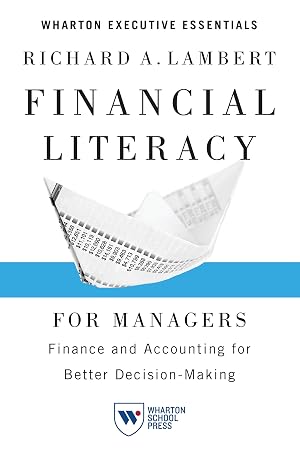
Financial Literacy for Managers
Richard A. Lambert
Finance and Accounting for Better Decision-Making
4.6 (22)22 mins
The Big Short
Michael Lewis
Inside the Doomsday Machine
4.5 (1357)36 mins
Money: Master the Game
Tony Robbins
7 Simple Steps to Financial Freedom
4.5 (1785)30 mins