
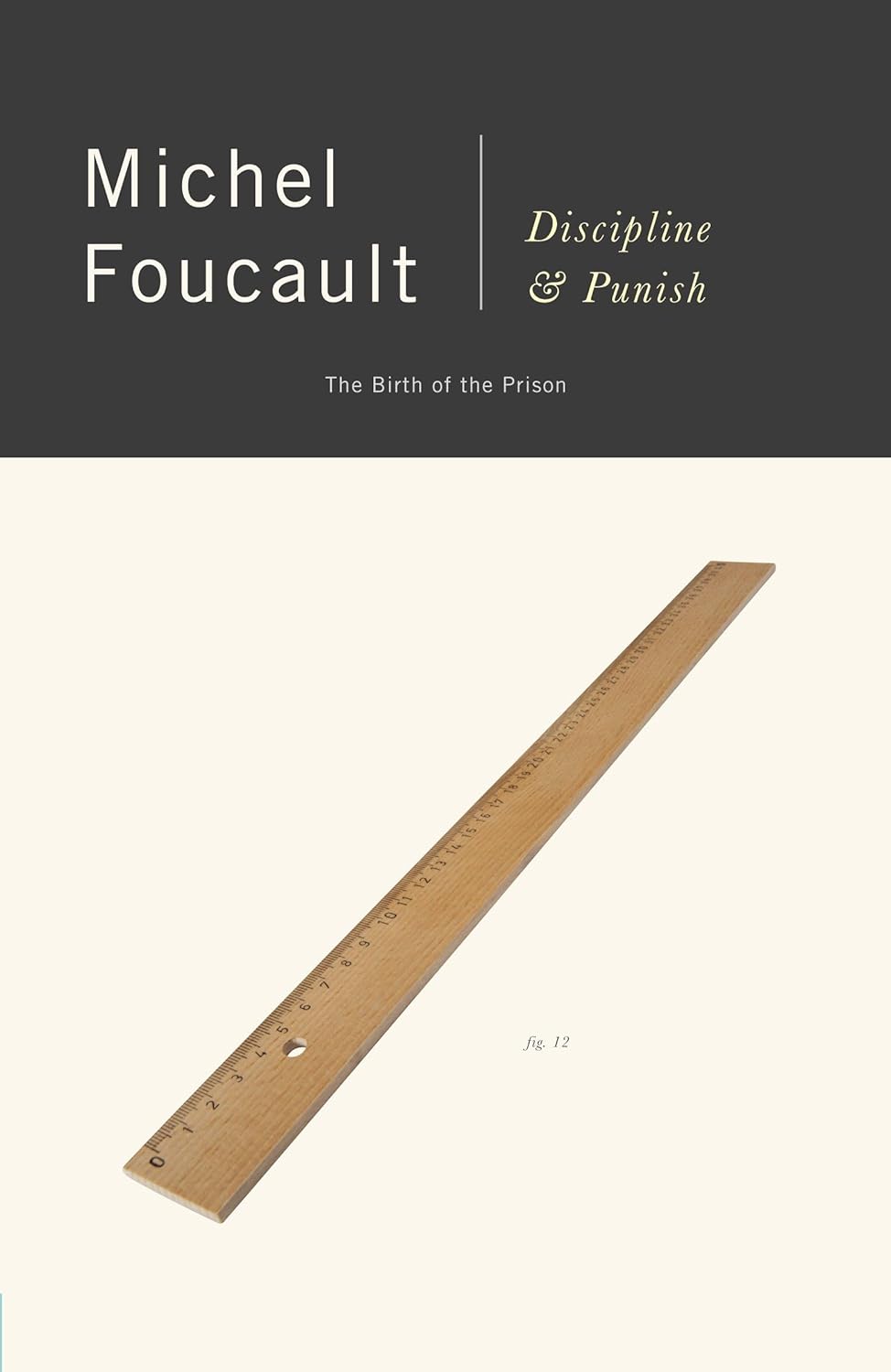
Discipline & Punish Summary
By Michel Foucault
The Birth of the Prison
Summary preview
There is a strange habit in modern life. We think punishment has become softer, more decent, more humane. We look back at public torture, at the scaffold, at the body torn apart before a crowd, and we say that civilization has advanced because such scenes have disappeared. Yet what if the spectacle did not vanish at all, but simply changed its form. What if power withdrew from the skin only to settle more deeply into gesture, habit, time, movement, attention, and soul. That is the path opened here. The book begins with a shock. On one side, a brutal execution from the eighteenth century, where the condemned man is cut, burned, and displayed before the people. On the other, a dry timetable for a prison a few decades later, where every hour is assigned, every act supervised, every body arranged. Between these two scenes lies the great transformation the book wants to uncover. It is not just the story of prisons. It is the story of a new way of governing human beings. What matters is not simply that punishment became less bloody. The deeper question is how punishment became more useful. Instead of crushing the body in public, modern society learned to train it in private. Instead of making the sovereign's force visible, it built institutions that quietly shape conduct. The prison is only the clearest sign of this larger change. Schools, barracks, hospitals, workshops, and factories all begin to work in similar ways. They observe, compare, classify, correct, and normalize. They produce people who can be measured and managed. This is why the book moves far beyond law and crime. It asks how bodies are made obedient and productive. It asks how people come to watch themselves. It asks how knowledge and power join hands, so that to study someone is also to control them. The modern individual does not simply exist and then enter institutions. The individual is formed there, under constant examination, under little rituals of discipline repeated every day. Michel Foucault speaks here like an archaeologist of our present, digging beneath noble words and good intentions. He does not deny that punishments changed. He asks what this change did, what machinery it built, and what kind of society it made possible. The result is unsettling and oddly familiar. You begin with prisons and end by seeing discipline everywhere, in the layout of rooms, in records and files, in rankings, in schedules, in the gaze that follows you even when no one seems to be looking. So the book offers no comforting tale of simple progress. It tells a harder story, one in which mercy can be an instrument, reform can tighten control, and freedom itself can be threaded through systems of surveillance. It invites you to look at modern life from the inside of its smallest techniques, where power becomes ordinary, efficient, and almost invisible.
Sign up to continue reading
Get access to full book summaries, audio of the summaries, and many more.
Similar Books
Books with a similar vibe—explore more like this.
Humankind
Rutger Bregman
A Hopeful History
4.4 (341)33 mins

The Wretched of the Earth
Frantz Fanon
A Powerful Exploration of Colonialism's Psychological Impact
4.3 (9)22 mins
Science of Evil
Simon Baron-Cohen
On Empathy and the Origins of Cruelty
4.1 (539)24 mins

Utilitarianism
John Stuart Mill
Explore a Timeless Ethics Classic
4.8 (46)24 mins
Hamlet
William Shakespeare
A Young Prince's Tragic Descend Into Madness and Revenge
4.8 (43)28 mins
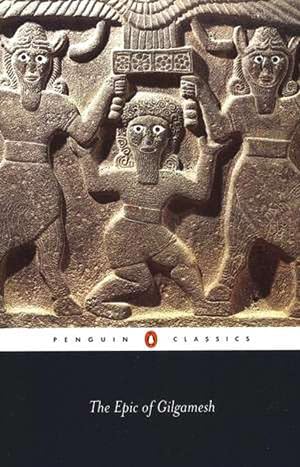
The Epic of Gilgamesh
Anonymous
A timeless tale of friendship, mortality, and the search for meaning
4.8 (34)23 mins
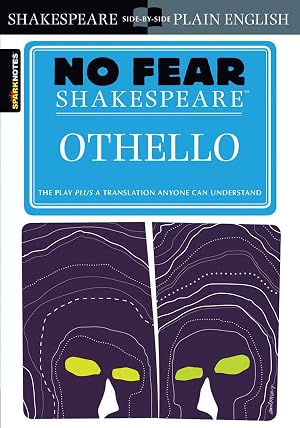
Othello
William Shakespeare
Love, Betrayal, and the Fall of a Hero
4.8 (14)22 mins
We Have Always Lived in the Castle
Shirley Jackson
Enter a Disturbing Labyrinth of Family Secrets and Dark Neurosis
4.8 (5)14 mins
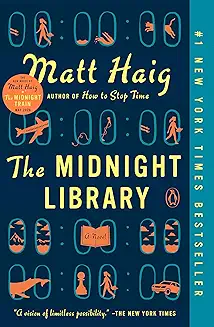
The Midnight Library
Matt Haig
A Fantasy Novel About the Choices That Lead to a Life Well-Lived
4.7 (4782)32 mins

Uncle Tom's Cabin
Harriet Beecher Stowe
The Problem of Slavery and Its Treatment of Human Beings
4.7 (41)25 mins