
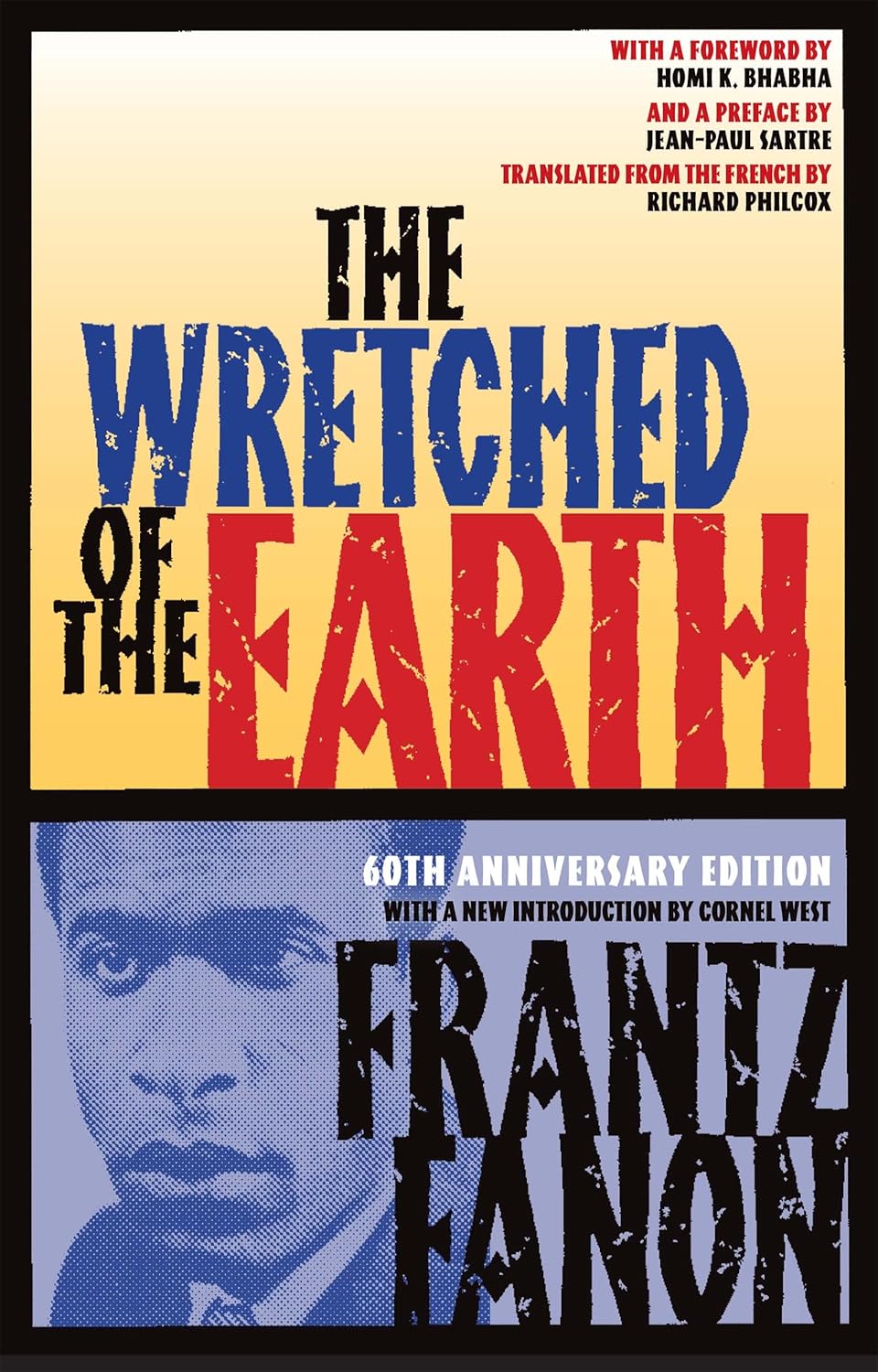
The Wretched of the Earth Summary
By Frantz Fanon
A Powerful Exploration of Colonialism's Psychological Impact
Summary preview
Open these pages and you do not enter a quiet library. You enter a world split in two. On one side stands the colonizer with his soldiers, police, courts, schools, churches, offices, fences, and money. On the other side stands the colonized, pushed into hunger, humiliation, and silence. The great wound of modern colonial life is not only that land is stolen or labor is robbed. It is that the human being is crushed, taught every day that he is less than human. Frantz Fanon writes from inside that fire. He speaks with urgency because colonialism is not a misunderstanding to be gently corrected. It is a system of organized violence, and it leaves behind damaged minds, broken communities, and nations forced to fight for the right to exist. The book asks a hard question. What happens when a people who have been beaten down for generations decide at last to rise? The answer is never tidy. Freedom does not arrive like a gift wrapped in noble speeches. It is born in struggle, and struggle changes everyone involved. The colonized discover themselves through action. Fear loosens its grip. Shame begins to fall away. People who were once scattered and suspicious begin to feel they belong to one another. Yet the danger does not end when the foreign ruler leaves. Another trap waits. A local middle class, eager to copy Europe, may step forward and seize the state. It may talk in the language of the nation while living off the people. It may turn independence into a hollow shell. What you will find here is both a battle cry and a warning. You will hear of peasants, workers, and the urban poor, of tortured prisoners and troubled doctors, of nationalist leaders and their betrayals, of culture remade in the furnace of resistance. You will also hear a call for something larger than flag and anthem. Political independence means little if the economy stays chained, if the mind remains colonized, if the people are kept away from power, and if the new rulers simply imitate the old world. The book moves through violence, politics, psychology, and culture, but all of it circles one demand. A new humanity must be made. Europe, for all its boasts, has too often preached man while murdering him. So the newly free world must not become a poor copy of its former masters. It must invent another path, rooted in dignity, shared work, and living participation by the people. That is the pulse running through every chapter. It is fierce, wounded, hopeful, and unsparing. It asks you not just to observe history, but to feel what liberation costs and why it matters.
Sign up to continue reading
Get access to full book summaries, audio of the summaries, and many more.
Similar Books
Books with a similar vibe—explore more like this.
Humankind
Rutger Bregman
A Hopeful History
4.4 (341)33 mins

Discipline & Punish
Michel Foucault
The Birth of the Prison
4.4 (49)27 mins
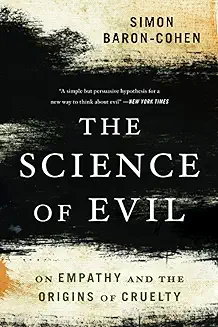
Science of Evil
Simon Baron-Cohen
On Empathy and the Origins of Cruelty
4.1 (539)24 mins
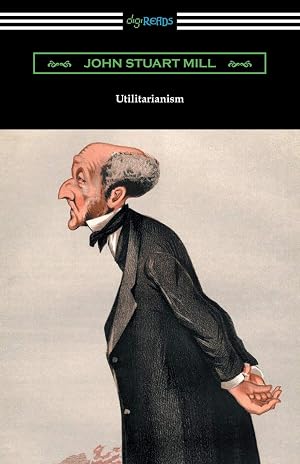
Utilitarianism
John Stuart Mill
Explore a Timeless Ethics Classic
4.8 (46)24 mins

Hamlet
William Shakespeare
A Young Prince's Tragic Descend Into Madness and Revenge
4.8 (43)28 mins
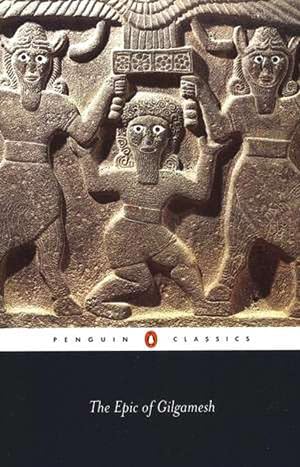
The Epic of Gilgamesh
Anonymous
A timeless tale of friendship, mortality, and the search for meaning
4.8 (34)23 mins
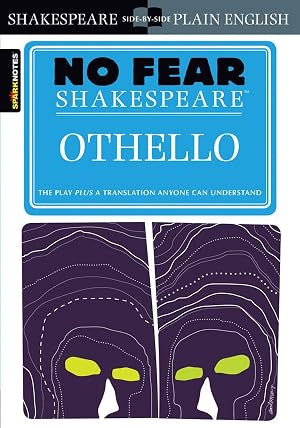
Othello
William Shakespeare
Love, Betrayal, and the Fall of a Hero
4.8 (14)22 mins
We Have Always Lived in the Castle
Shirley Jackson
Enter a Disturbing Labyrinth of Family Secrets and Dark Neurosis
4.8 (5)14 mins
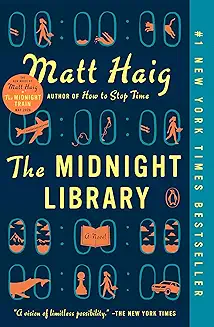
The Midnight Library
Matt Haig
A Fantasy Novel About the Choices That Lead to a Life Well-Lived
4.7 (4782)32 mins
Uncle Tom's Cabin
Harriet Beecher Stowe
The Problem of Slavery and Its Treatment of Human Beings
4.7 (41)25 mins