
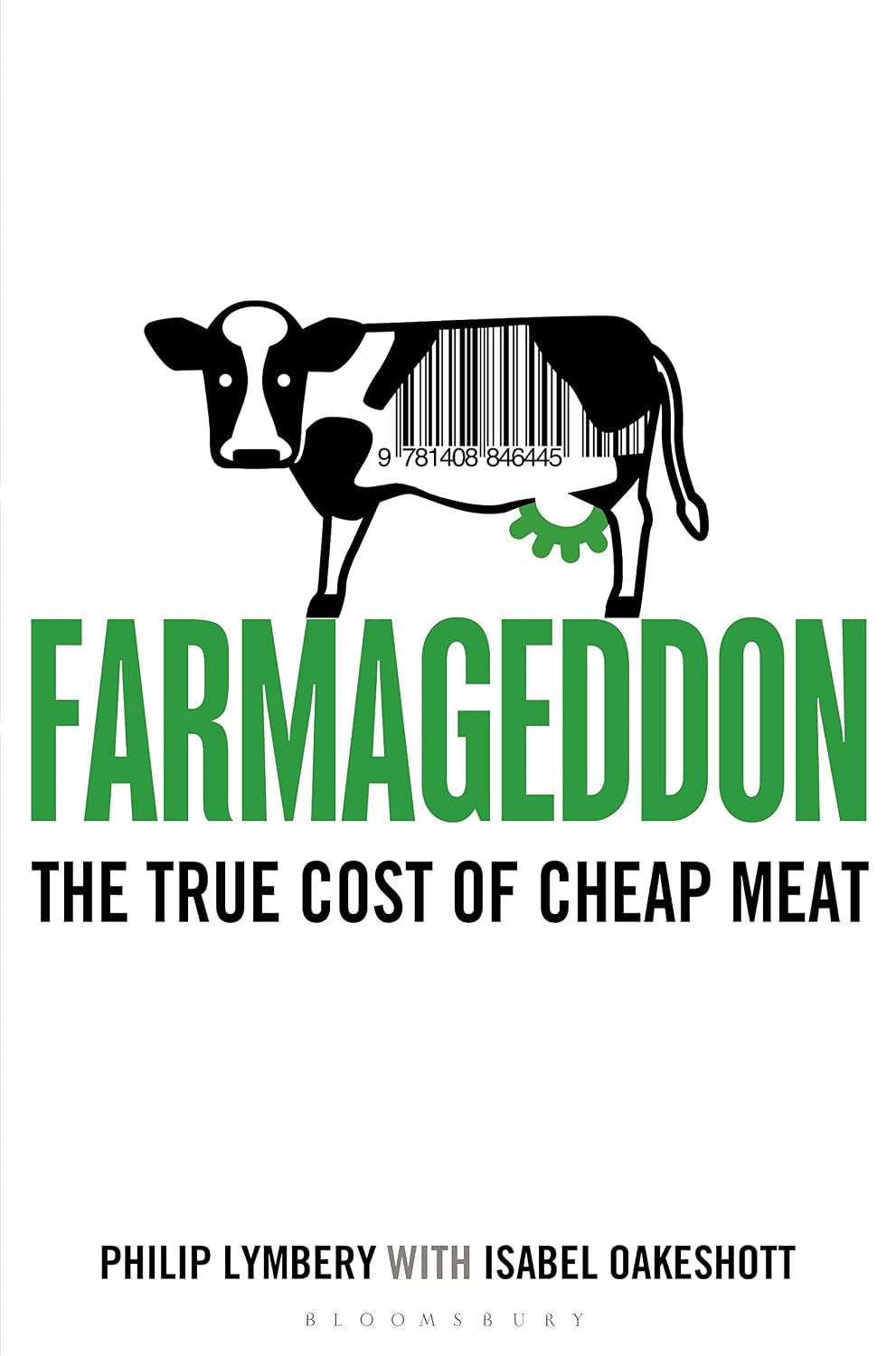
Farmageddon Summary
By Philip Lymbery with Isabel Oakeshott
The True Cost of Cheap Meat
Summary preview
This book begins with a simple but unsettling question. What really lies behind the cheap meat, milk, and eggs that fill supermarket shelves? At first glance, modern farming can look like a triumph of efficiency. Food is plentiful, prices are low, and production is measured in astonishing numbers. Yet once you step beyond the packaging and the cheerful labels, a darker picture appears. What seems efficient is often wasteful. What seems abundant is often fragile. And what seems like progress can, in truth, be a system that harms animals, damages the countryside, pollutes rivers and seas, weakens rural communities, and even puts our own health at risk. That is the world explored by Philip Lymbery with Isabel Oakeshott. The journey takes us deep into the hidden machinery of industrial agriculture, a system built on concentration, confinement, and relentless output. We meet pigs packed into units so vast they feel more like factories than farms. We see chickens bred to grow so fast their bodies can barely cope. We follow the trail of soy feed from South American landscapes stripped for monoculture to the crowded sheds of Europe. We learn how industrial fishing empties oceans to feed farm animals, how manure from giant livestock units poisons ecosystems, and how routine dependence on antibiotics creates danger far beyond the farm gate. But this is not simply a catalogue of horrors. It is also a journey of discovery and comparison. As we travel from battery style systems to more humane and balanced ways of producing food, another story emerges. There are farmers working with the grain of nature rather than against it. There are mixed farms where animals and crops support one another. There are landscapes where soil, wildlife, and local livelihoods still matter. There are methods that produce good food without reducing living creatures to units of output. The contrast is sharp, and it asks us to think hard about what kind of food system we want. At its heart, this book argues that industrial farming is not a necessary answer to feeding the world. That claim is one of its boldest and most important points. We are often told that there is no alternative, that only giant intensive systems can satisfy a growing population. Here, that story is challenged again and again with evidence, testimony, and on the ground experience. The real question is not whether we can keep producing food by these means, but whether we can afford the damage if we do. What follows is an urgent, vivid account of a system that has drifted dangerously far from nature, and a passionate call to reclaim farming that respects animals, people, and the earth itself.
Sign up to continue reading
Get access to full book summaries, audio of the summaries, and many more.
Similar Books
Books with a similar vibe—explore more like this.
Entangled Life
Merlin Sheldrake
How Fungi Make Our Worlds, Change our Minds and Shape Our Futures
4.8 (949)29 mins
The Mosquito
Timothy C. Winegard
A Human History of Our Deadliest Predator
4.8 (37)33 mins
Every Living Thing
Jason Roberts
The Great and Deadly Race to Know All Life
4.8 (7)22 mins
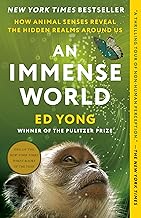
An Immense World
Ed Yong
How Animal Senses Reveal the Hidden Realms Around Us
4.7 (950)17 mins
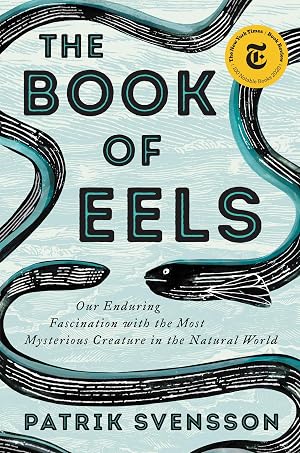
The Book of Eels
Patrik Svensson
Our Enduring Fascination with the Most Mysterious Creature in the Natural World
4.7 (9)26 mins
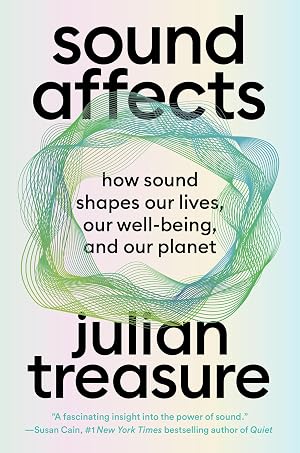
Sound Affects
Julian Treasure
How Sound Shapes Our Lives, Our Wellbeing and Our Planet
4.7 (10)21 mins
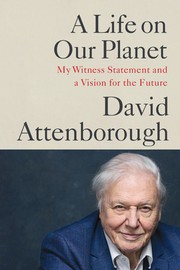
A Life on Our Planet
David Attenborough
My Witness Statement and a Vision for the Future
4.6 (223)22 mins
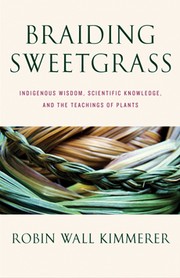
Braiding Sweetgrass
Robin Wall Kimmerer
Indigenous Wisdom, Scientific Knowledge and the Teachings of Plants
4.6 (582)23 mins
How to Avoid a Climate Disaster
Bill Gates
The Solutions We Have and the Breakthroughs We Need
4.6 (642)34 mins
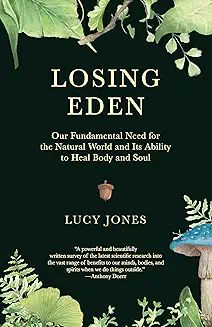
Losing Eden
Lucy Jones
Why Our Minds Need the Wild
4.6 (641)28 mins