
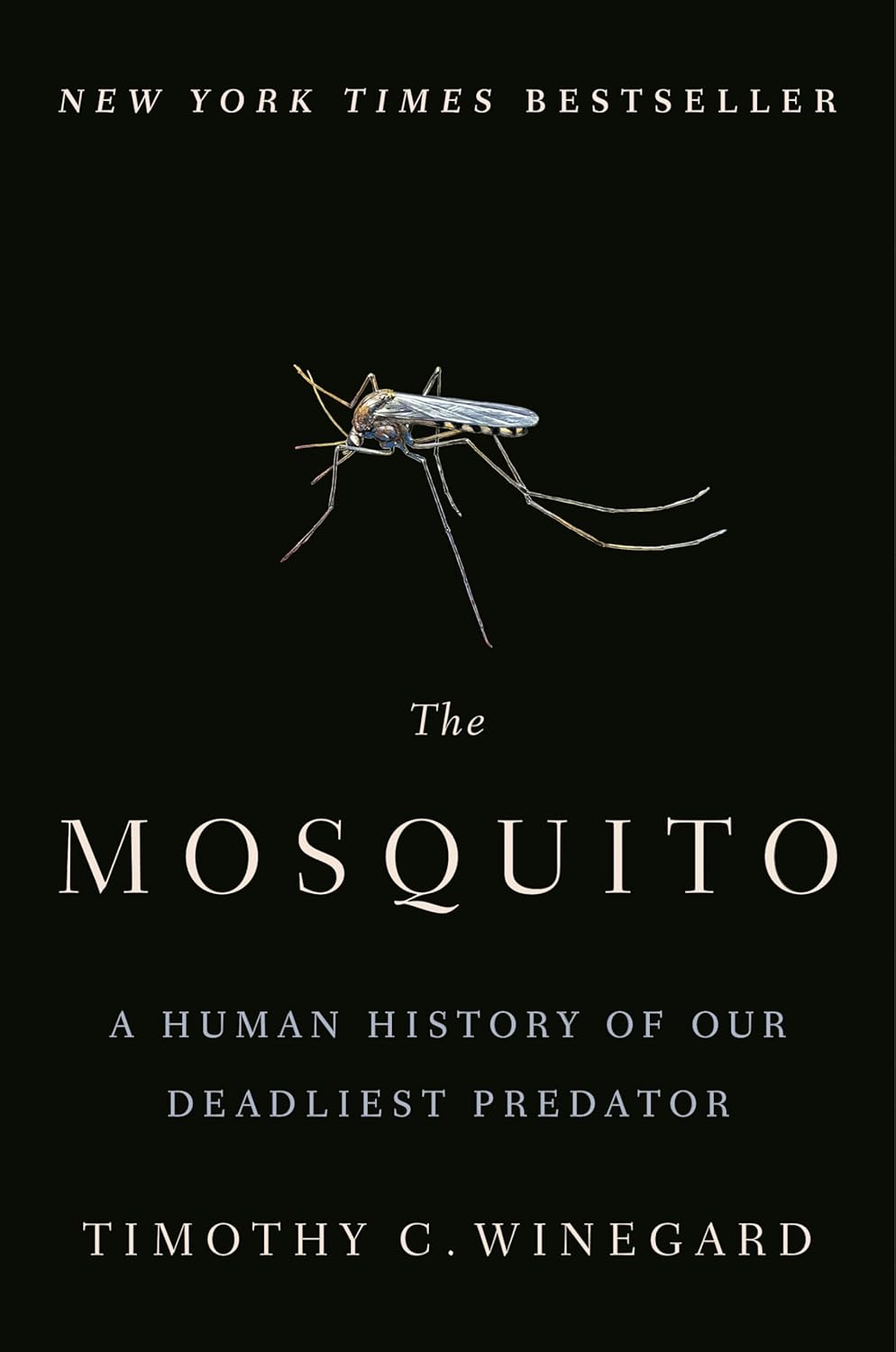
The Mosquito Summary
By Timothy C. Winegard
A Human History of Our Deadliest Predator
Summary preview
Most history books tell you that emperors, generals, kings, inventors, and revolutions built the world we live in. This book asks you to look closer, lower, and a little more nervously at your own skin. There, whining in your ear and drilling into your flesh, is one of history’s most powerful actors. The mosquito, tiny and almost laughable at first glance, has shaped empires, decided wars, redirected migration, wrecked economies, and killed more human beings than any other creature on earth. If you want to understand why some civilizations rose and others collapsed, why armies won one season and died the next, why slavery spread where it did, why colonization stalled in some places and accelerated in others, and why modern medicine and public health took the paths they did, you have to reckon with this insect. That is the daring and deeply unsettling idea at the heart of this story. Timothy C. Winegard takes what looks like a footnote to human history and moves it to center stage. He does not simply say mosquitoes are annoying or dangerous. He argues that they have been among the greatest drivers of human events, largely through the diseases they carry, especially malaria and yellow fever. The mosquito is not merely a pest. It is a force multiplier, a biological weapon without intent, and a recurring partner in nearly every major human struggle from prehistory to the present. What makes the story so gripping is that it unfolds on two levels at once. On one level, this is a tale of science. You learn how the mosquito evolved, how parasites and viruses learned to use it, and how those pathogens turn a bite into fever, delirium, weakness, miscarriage, brain damage, and death. On another level, it is a tale of conquest and survival. Pharaohs, Greeks, Romans, Crusaders, conquistadors, plantation owners, enslaved Africans, Indigenous peoples, soldiers in the American Civil War, builders of the Panama Canal, commanders in two world wars, and modern health workers all move through the same blood soaked web. Again and again, the pattern is shocking in its simplicity. People believe they are shaping history through courage, genius, greed, faith, or ambition. Then the rains come, the marshes swell, mosquitoes hatch in clouds, disease erupts, and whole plans collapse. Armies shrink without a battle. Colonies fail. Labor systems harden into brutality. Fortunes are made and unmade by immunity, ecology, and chance. Yet this is not just a book about death. It is also about adaptation, resistance, ingenuity, and the long struggle to understand an enemy too small to see clearly for most of history. Human beings drain swamps, build screens, invent quinine and insecticides, map parasites, wage eradication campaigns, and dream of genetic solutions. Still, the mosquito keeps pace, evolving, spreading, and reminding us that nature often has the final word. The result is a sweeping, vivid account of our species seen through one persistent, needling truth. Much of human history has been written in blood, and a great deal...
Sign up to continue reading
Get access to full book summaries, audio of the summaries, and many more.
Similar Books
Books with a similar vibe—explore more like this.
Entangled Life
Merlin Sheldrake
How Fungi Make Our Worlds, Change our Minds and Shape Our Futures
4.8 (949)29 mins
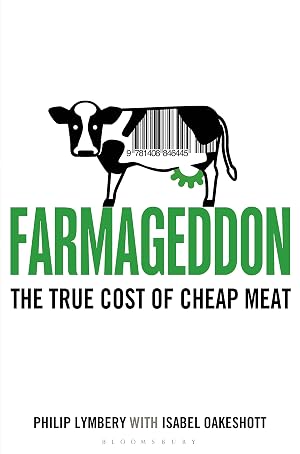
Farmageddon
Philip Lymbery with Isabel Oakeshott
The True Cost of Cheap Meat
4.8 (5)32 mins
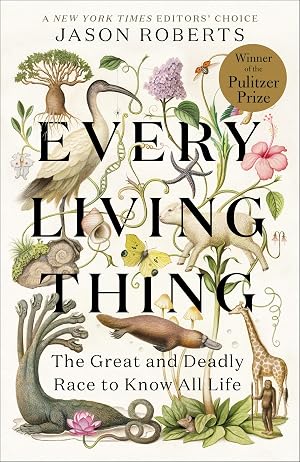
Every Living Thing
Jason Roberts
The Great and Deadly Race to Know All Life
4.8 (7)22 mins
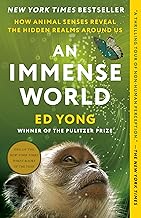
An Immense World
Ed Yong
How Animal Senses Reveal the Hidden Realms Around Us
4.7 (950)17 mins
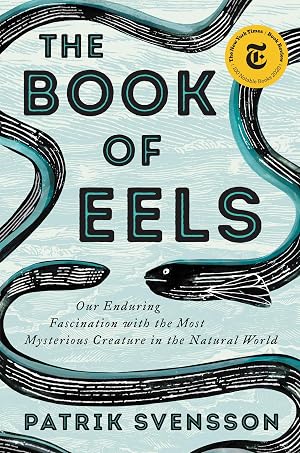
The Book of Eels
Patrik Svensson
Our Enduring Fascination with the Most Mysterious Creature in the Natural World
4.7 (9)26 mins
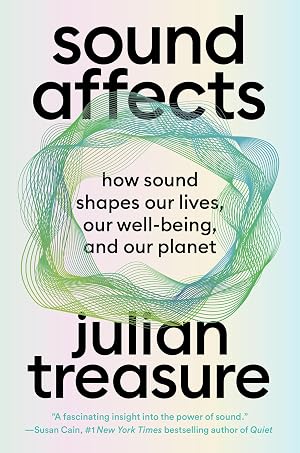
Sound Affects
Julian Treasure
How Sound Shapes Our Lives, Our Wellbeing and Our Planet
4.7 (10)21 mins
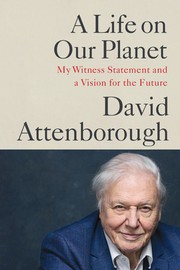
A Life on Our Planet
David Attenborough
My Witness Statement and a Vision for the Future
4.6 (223)22 mins
Braiding Sweetgrass
Robin Wall Kimmerer
Indigenous Wisdom, Scientific Knowledge and the Teachings of Plants
4.6 (582)23 mins
How to Avoid a Climate Disaster
Bill Gates
The Solutions We Have and the Breakthroughs We Need
4.6 (642)34 mins
Losing Eden
Lucy Jones
Why Our Minds Need the Wild
4.6 (641)28 mins