
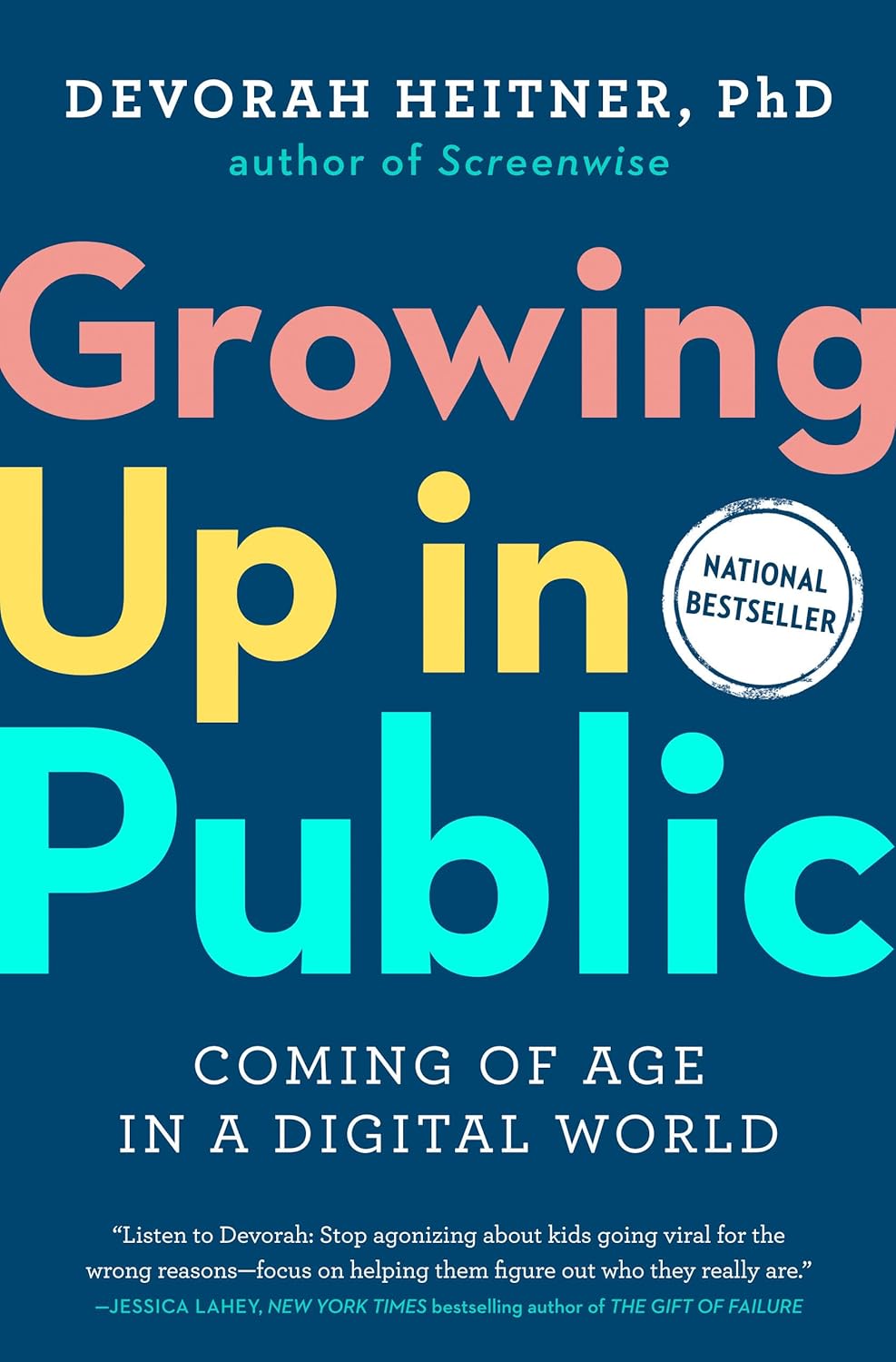
Growing Up in Public Summary
By Devorah Heitner
Coming of Age in a Digital World
Summary preview
Growing up has always involved trial and error, private awkward moments, changing friendships, and long slow lessons about trust, identity, and belonging. What is different now is that so much of that growing up happens where everyone can see it. Kids and teens are not just living their lives. They are doing it in spaces that record, amplify, sort, and spread what they say and do. That is the heartbeat of Growing Up in Public. It asks a simple but urgent question. How do we help young people build a healthy relationship with visibility in a world where posting, sharing, texting, streaming, and being watched can feel normal before they are ready to understand the risks and pressures that come with it? The book is not built on panic or easy blame. It does not treat technology as the villain, and it does not imagine that parents can solve everything with rules, surveillance, or one more app. Instead, it invites adults to think like mentors. Devorah Heitner keeps returning to the idea that kids need guidance, not spying. They need adults who can talk openly about reputation, consent, boundaries, context, and repair. They need room to make mistakes without having those mistakes become permanent public records. They also need adults to look honestly at their own habits, because children learn from what we do as much as from what we say. A big strength of the book is how grounded it feels in real family life. It moves through ordinary moments that suddenly become high stakes. A child wants to post a funny video. A teen joins a group chat that turns cruel. A parent shares photos without asking. A school treats online conflict as if it exists outside the classroom. A young person discovers that visibility can bring connection, creativity, and even activism, but also shame, harassment, comparison, and pressure to perform. Again and again, the message is that publicness changes the texture of adolescence. It can speed things up, widen audiences, and make social mistakes much harder to contain. At the same time, the book is hopeful. It believes young people can learn wise habits. It believes adults can create homes and communities where conversation is stronger than control. It believes dignity matters online just as much as offline. By the end, you come away with a new lens. This is not only a book about screens or social media. It is a book about helping children become thoughtful, resilient, kind people in a world where attention is powerful, privacy is fragile, and every click can shape a story about who they are.
Sign up to continue reading
Get access to full book summaries, audio of the summaries, and many more.
Similar Books
Books with a similar vibe—explore more like this.
Novacene
James Lovelock
The Coming Age of Hyperintelligence
4.4 (554)25 mins
Raising Critical Thinkers
Julie Bogart
A Parent's Guide to Growing Wise Kids in the Digital Age
4.2 (579)24 mins

The Anxious Generation
Jonathan Haidt
How the Great Rewiring of Childhood Is Causing an Epidemic of Mental Illness
4.2 (325)20 mins
It's Complicated
danah boyd
The Social Lives of Networked Teens
4.2 (10)26 mins
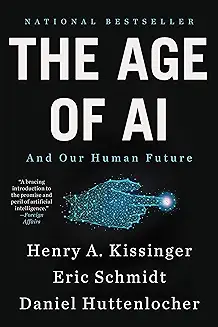
The Age of AI
Henry Kissinger, Eric Schmidt & Daniel Huttenlocher
And Our Human Future
3.7 (272)26 mins

Brown Girl Dreaming
Jacqueline Woodson
Unravel a Moving Tale of Childhood Dreams, Race, and Empowerment
3.0 (5)22 mins
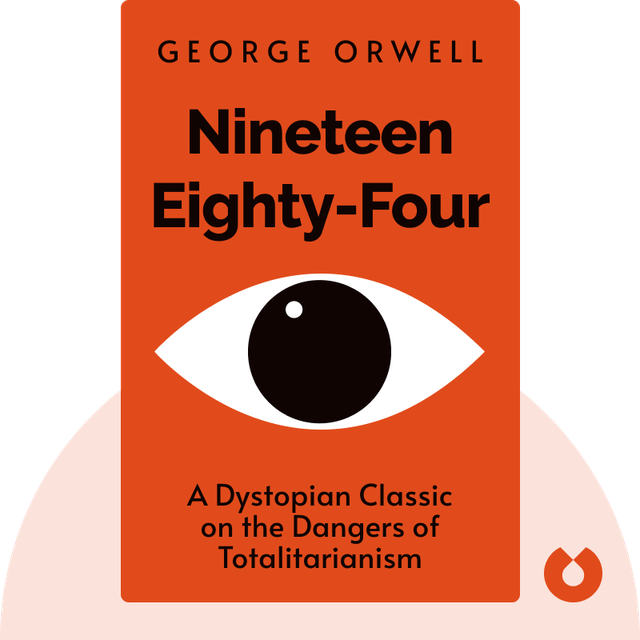
Nineteen Eighty-Four (1984)
George Orwell
A Dystopian Classic on the Dangers of Totalitarianism
4.9 (697)17 mins

The Song of Roland
Anonymous
Enter a World of Medieval Heroism, Where Honor Reigns Supreme
4.9 (3)20 mins

Utilitarianism
John Stuart Mill
Explore a Timeless Ethics Classic
4.8 (46)24 mins

1984
George Orwell
A Dystopian Classic on the Dangers of Totalitarianism
4.7 (1738)16 mins