

Summary preview
What does it really take for a child to thrive? For a long time, the most common answer sounded obvious. Give kids good schools, skilled teachers, high test scores, and the kind of intelligence that shows up neatly on exams. But this book asks us to look again. It argues that the qualities that matter most in a child’s future are often the ones that do not fit easily on a report card. Persistence, self control, curiosity, optimism, grit, resilience, the ability to recover after failure, the strength to keep going when life gets painful or confusing. These are not side issues. They are at the center of the story. Paul Tough takes us into classrooms, laboratories, homes, chess clubs, charter schools, pediatric clinics, and the lives of children growing up under very different conditions. As he does, a new picture begins to appear. Success is not simply about how many facts a child can memorize or how quickly a child can solve a puzzle. It is deeply shaped by character. And character, as this book shows, is not a fixed gift handed out at birth. It is built, tested, damaged, and strengthened through experience. A big part of the book turns on a hard truth that many adults would rather avoid. Childhood adversity changes children. Stress, especially the chronic stress that comes from poverty, instability, violence, neglect, or chaos, can get under the skin. It can affect the body, the brain, attention, behavior, and learning. A child who seems distracted, angry, impulsive, or shut down may not be lacking ability at all. That child may be carrying a heavy biological burden. At the same time, the story here is hopeful. If adversity can shape children in powerful ways, then supportive relationships can do the same. A steady adult, a safe environment, a school culture that prizes effort and recovery, and experiences that teach children how to fail productively can all help reshape a child’s path. The question shifts from How smart is this child to What has this child been through, and who is helping this child grow? What makes the book so compelling is that it never settles for abstract theory. It keeps returning to real children and the adults trying to help them. For example, we meet educators who care less about perfect grades than about tenacity. We see researchers trying to measure character strengths. We watch young people stumble, resist, improve, and sometimes surprise everyone around them. By the end, the argument feels both simple and profound. If we want children to succeed, we need to pay close attention to the unseen skills of character and to the environments that either nurture or erode them.
Sign up to continue reading
Get access to full book summaries, audio of the summaries, and many more.
Similar Books
Books with a similar vibe—explore more like this.
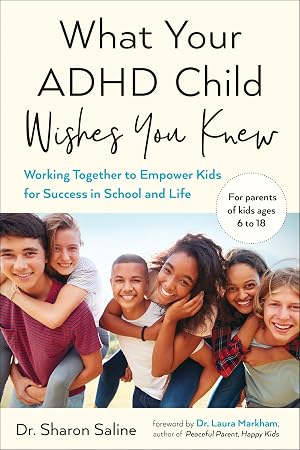
What Your ADHD Child Wishes You Knew
Sharon Saline
Working Together to Empower Kids for Success in School and Life
4.7 (22) mins
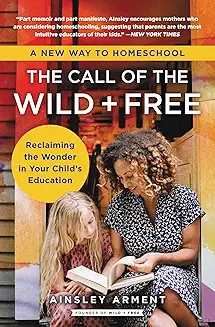
The Call of the Wild and Free
Ainsley Arment
Reclaiming Wonder in Your Child's Education
4.4 (294)30 mins
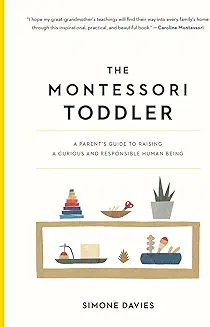
The Montessori Toddler
Simone Davies
A Parent's Guide to Raising a Curious and Responsible Human Being
4.4 (1283)29 mins
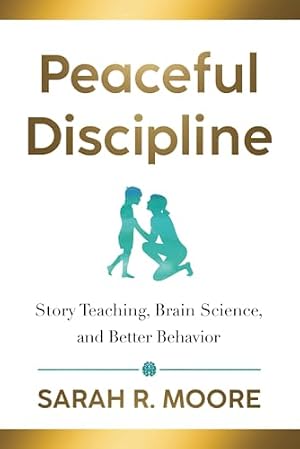
Peaceful Discipline
Sarah R. Moore
Story Teaching, Brain Science & Better Behavior
4.4 (10) mins

ADHD an A-Z
Leanne Maskell
Figuring It Out Step by Step
4.2 (308)18 mins
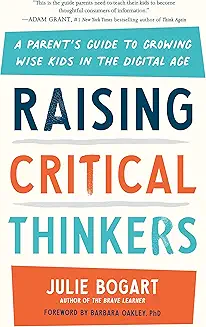
Raising Critical Thinkers
Julie Bogart
A Parent's Guide to Growing Wise Kids in the Digital Age
4.2 (579)24 mins
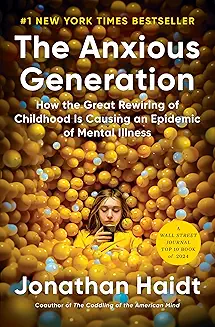
The Anxious Generation
Jonathan Haidt
How the Great Rewiring of Childhood Is Causing an Epidemic of Mental Illness
4.2 (325)20 mins
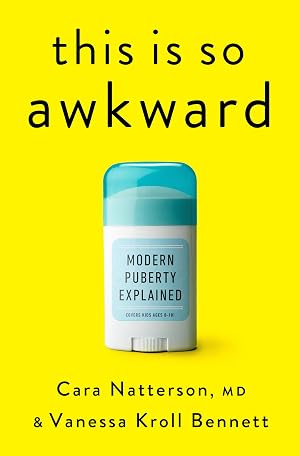
This Is So Awkward
Cara Natterson & Vanessa Kroll Bennett
Modern Puberty Explained
4.2 (4) mins
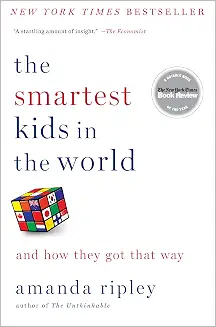
The Smartest Kids in the World
Amanda Ripley
What the world's best school systems do differently
4.1 (1058)23 mins
How We Grow Up
Matt Richtel
Understanding Adolescence
4.0 (20) mins