
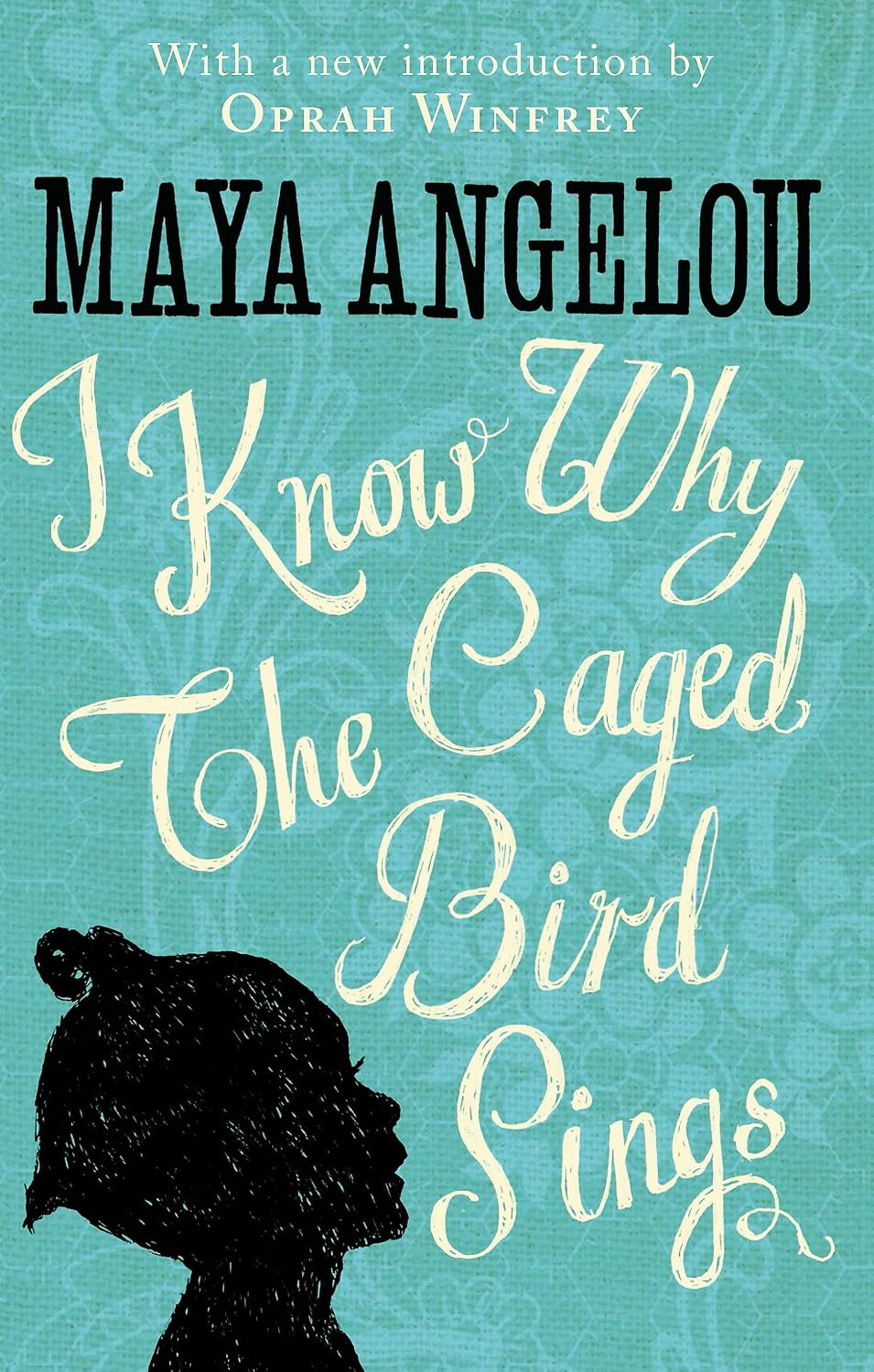
I Know why the Caged Bird Sings Summary
By Maya Angelou
An Autobiography of Overcoming Racism and Trauma With Literature
Summary preview
There are some books that do not simply tell a life. They sing it. They cry it. They hold pain in one hand and wonder in the other, and somehow they make room for laughter too. I Know Why the Caged Bird Sings is that kind of book. It is the story of a Black girl growing up in the American South and beyond, learning very early that the world can be cruel, confusing, and sharply divided by race, class, and gender. But it is also the story of how a spirit, even when wounded, can keep reaching toward freedom. Maya Angelou begins as a child called Marguerite, sent with her brother Bailey from California to Stamps, Arkansas, after their parents' marriage breaks apart. That small town, with its dusty roads, churchgoing people, and rigid racism, becomes the first great stage of her memory. There she is raised by her grandmother, whom everyone calls Momma, a woman of deep faith, discipline, and quiet strength. Around her are figures both tender and hard edged, people who teach by affection, by example, and sometimes by the sharp force of neglect or prejudice. Through a child's eyes, ordinary moments glow with feeling. A trip to church, a new dress, a graduation ceremony, a piece of candy, all can carry the full weight of hope or humiliation. What makes this memoir so unforgettable is the voice. It speaks with innocence and wisdom at once. It remembers what a child felt without losing what an older mind understands. So when fear enters the story, it is real and near. When shame falls, it lands heavily. And when joy flashes through, it feels earned. The book does not turn away from the darkest parts of growing up. It tells of sexual violence, silence, grief, and the long ache of believing oneself unwanted or ugly in a world that worships whiteness. Yet it also shows the saving power of books, language, family love, and self respect. At its heart, this is a story about finding a voice after it has been stolen. It asks what it means to be seen, what it costs to survive, and how dignity can be kept in a society built to deny it. It is about the cage of racism, yes, but also the cages made by trauma, by gender rules, by poverty, and by self doubt. Still, a bird does sing. Not because life is easy, but because there remains within it a stubborn, beautiful claim to life. That is the deep pulse of this memoir. It invites you close, tells you the truth plain, and leaves you with the sound of a young person learning, step by step, that her voice matters.
Sign up to continue reading
Get access to full book summaries, audio of the summaries, and many more.
Similar Books
Books with a similar vibe—explore more like this.

Bedtime Biography: Yes I Can
Sammy Davis, Jr. and Jane and Burt Boyar
The Story of Sammy Davis Jr.
4.9 (7)26 mins
The Little Prince
Antoine de Saint-Exupéry
A Tale About the Human Condition and the Search for Happiness
4.9 (36)22 mins
Nineteen Eighty-Four (1984)
George Orwell
A Dystopian Classic on the Dangers of Totalitarianism
4.9 (697)17 mins

The Song of Roland
Anonymous
Enter a World of Medieval Heroism, Where Honor Reigns Supreme
4.9 (3)20 mins

American Lion
Jon Meacham
Andrew Jackson in the White House
4.9 (16)35 mins
The Diary of a Young Girl
Anne Frank
The famous story of a Jewish girl who went into hiding during the Second World War
4.8 (192)31 mins
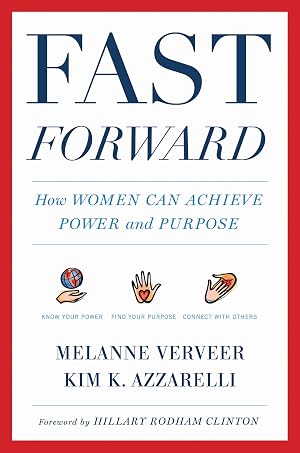
Fast Forward
Melanne Verveer and Kim K. Azzarelli
How Women Can Achieve Power and Purpose
4.8 (4)29 mins

Utilitarianism
John Stuart Mill
Explore a Timeless Ethics Classic
4.8 (46)24 mins
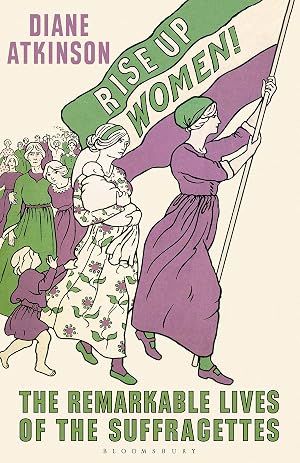
Rise Up, Women!
Diane Atkinson
The Remarkable Lives of the Suffragettes
4.8 (5)25 mins
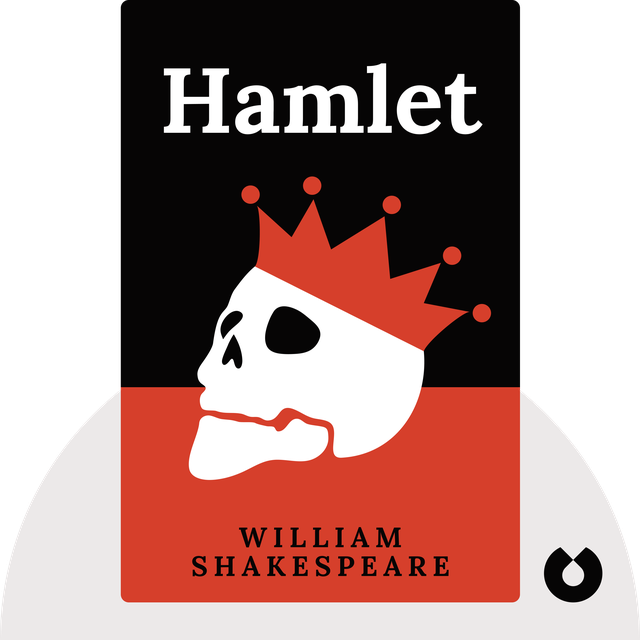
Hamlet
William Shakespeare
A Young Prince's Tragic Descend Into Madness and Revenge
4.8 (43)28 mins