
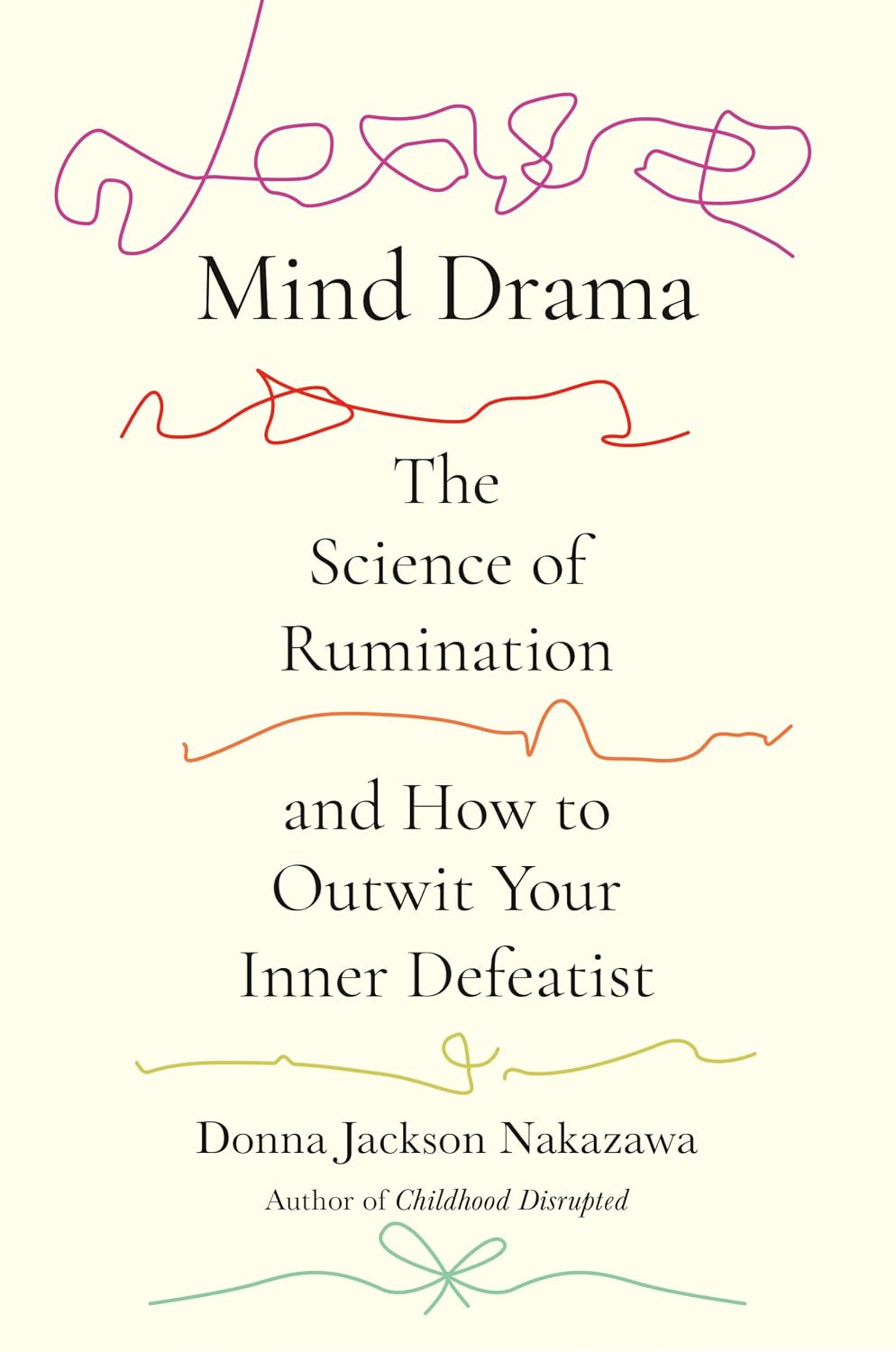
Mind Drama Summary
By Donna Jackson Nakazawa
The Science of Rumination and How to Outwit Your Inner Defeatist
Summary preview
What if the pain you cannot explain is not all in your imagination, but in your history? What if the mind and body are not two separate stories, but one long conversation that began before you had words for it? That is the living question at the heart of Mind Drama. Donna Jackson Nakazawa invites you to look at depression, anxiety, autoimmune illness, chronic pain, and the ache of feeling cut off from yourself through a new lens, one that is both deeply personal and rooted in science. She asks you to consider that early adversity, especially the kind that happens in close relationships, can shape the body’s stress response, the brain’s wiring, the immune system’s habits, and the way we move through love, work, and daily life. This is not a book that wants to trap you in the past. It wants to help you understand why certain feelings, reactions, and physical symptoms can seem to appear out of nowhere, even when your adult life looks fine from the outside. It gently shows how old experiences can become embedded in the nervous system. The body learns to stay on alert. The mind learns certain protective dramas. You may become the one who overachieves, the one who disappears, the one who cannot calm down, the one who feels numb, the one who gets sick without clear answers. None of this means you are weak or broken. It means your system adapted in order to survive. The book moves between moving stories and discoveries from neuroscience, psychoneuroimmunology, attachment research, and trauma studies. It helps you see that what happened long ago can still echo in inflammation, stress hormones, immune dysregulation, and emotional pain. At the same time, it offers something far more hopeful than diagnosis. It says the brain can change. The body can settle. New experiences of safety, compassion, and connection can help reshape old pathways. You are taken into the lives of people whose depression or chronic illness made more sense once the hidden roots were uncovered. You meet clinicians and researchers who have spent years studying how childhood stress alters health across a lifetime. And you are reminded again and again that healing does not come only from insight. It comes from practices that help you feel safe in your own skin, from being witnessed without shame, and from learning to speak to yourself in a new voice. At its core, this is a book about making the invisible visible. It is about tracing the line between experience and biology, between heartbreak and symptoms, between adaptation and suffering. Most of all, it is about hope. If your mind has been performing old survival scripts, you are not doomed to repeat them forever. Once you understand the drama, you can begin to change the story.
Sign up to continue reading
Get access to full book summaries, audio of the summaries, and many more.
Similar Books
Books with a similar vibe—explore more like this.
Believe It to Achieve It
Brian Tracy, Christina Stein
Overcome Your Doubts, Let Go of the Past, and Unlock Your Full Potential
4.8 (32)22 mins

Othello
William Shakespeare
Love, Betrayal, and the Fall of a Hero
4.8 (14)22 mins
Stop Letting Everything Affect You
Daniel Chidiac
Break Free from Overthinking, Emotional Chaos, and Self-Sabotage
4.8 (12)23 mins
Re-Regulated
Anna Runkle
Set Your Life Free from Childhood PTSD
4.8 (10)21 mins
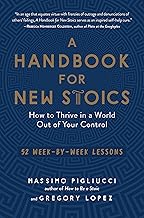
A Handbook for New Stoics
Massimo Pigliucci and Gregory Lopez
How to Thrive in a World Out of Your Control
4.7 (884)29 mins
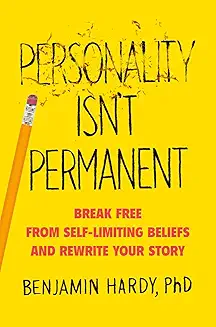
Personality Isn't Permanent
Benjamin Hardy
Break Free from Self-Limiting Beliefs and Rewrite Your Story
4.7 (548)24 mins
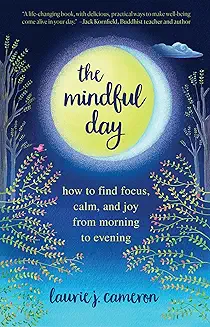
The Mindful Day
Laurie J. Cameron
Practical Ways to Find Focus, Calm, and Joy From Morning to Evening
4.7 (378)23 mins
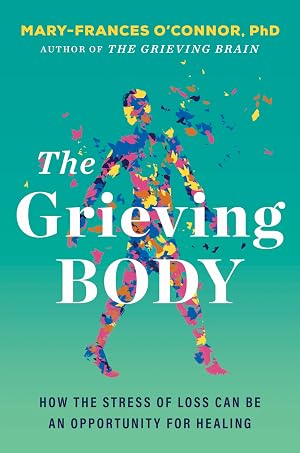
The Grieving Body
Mary-Frances O'Connor
How the Stress of Loss Can Be an Opportunity for Healing
4.7 (9)22 mins
The Science of Self-Discipline
Peter Hollins
Resist Temptation and Achieve Your Goals
4.7 (71)20 mins
Psychological Types
Carl Jung
Collected works from the supreme theorist of the conscious
4.7 (89)21 mins