
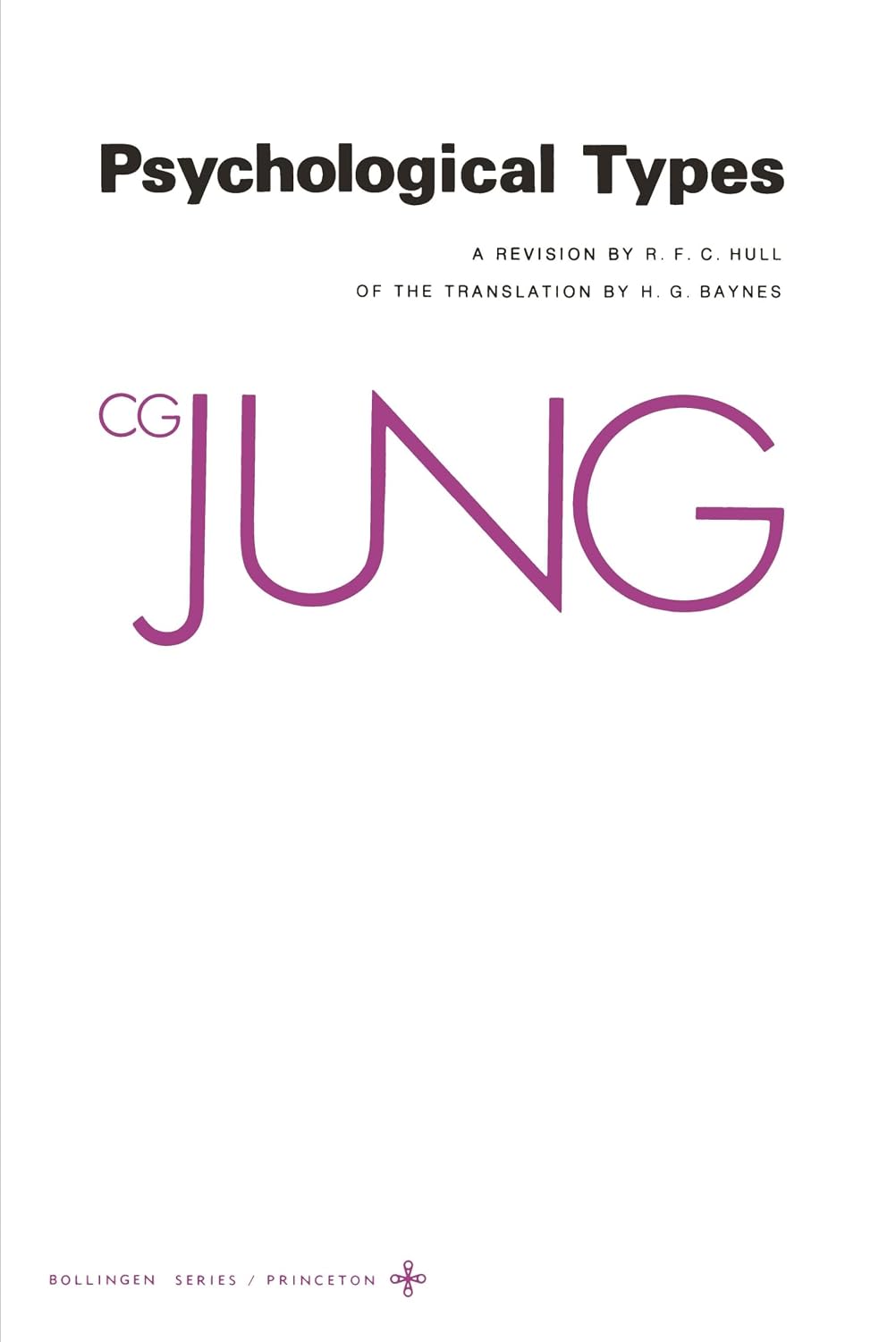
Psychological Types Summary
By Carl Jung
Collected works from the supreme theorist of the conscious
Summary preview
Psychological Types is a book about one of the oldest and most intimate mysteries of human life. Why do people, often equally intelligent and equally sincere, see the same world in such different ways? Why does one soul turn first to thought, another to feeling, another to solid fact, another to hidden possibility? Why do conversations so easily become collisions, not because one person is wicked or foolish, but because each stands in a different chamber of the mind and mistakes that chamber for the whole house? That is the question guiding this work. Carl Jung does not begin with a quick test or a neat set of labels. He begins much deeper, with a struggle that appeared in philosophy, religion, poetry, medicine, and friendship. Again and again he noticed a repeated pattern. Some people move outward toward objects, events, and common life. Others move inward toward the subject, toward the inner image, the private response, the secret law of their own being. These two broad attitudes, extraversion and introversion, are not fashion words here. They are living orientations of psychic energy. They shape what we notice, what we trust, what wounds us, and what we become. Yet the book does not stop there. It goes on to show that the mind has several chief ways of working. We think. We feel. We sense. We intuit. These are not all equal in a given person. Usually one becomes the captain, another supports it, and one or more remain less developed, hidden in shadow, often appearing in clumsy, childish, or troubling ways. From this uneven arrangement come many of our gifts and many of our disasters. The purpose of the book is not to imprison you in a category. It is almost the opposite. Typology is offered as a practical map for understanding difference. It helps explain quarrels between schools of thought, misunderstandings in love, clashes in religion, and the peculiar one sidedness that so often passes for truth. It also helps explain why a person may feel alien to himself. What he praises consciously may be contradicted by what rises unconsciously. The neglected side does not disappear. It waits, it compensates, and sometimes it erupts. So the journey ahead moves from broad cultural oppositions to the intimate structure of personality. It explores old thinkers, poets, and clinical observations, then gathers them into a vivid picture of the psyche. If you read it well, you begin to see that every certainty has its opposite growing beside it, and that psychological maturity asks not for self flattery, but for a more spacious view of human nature, including your own.
Sign up to continue reading
Get access to full book summaries, audio of the summaries, and many more.
Similar Books
Books with a similar vibe—explore more like this.
Consciousness Explained
Daniel C. Dennett
Redefine Your Understanding of the Mind and Consciousness
4.4 (42)24 mins
Start Making Sense
Steven J Heine
How Existential Psychology Can Help Us Build Meaningful Lives in Absurd Times
4.3 (12)18 mins
Critical Thinkers
Albert Rutherford
Methods for Clear Thinking and Analysis in Everyday Situations from the Greatest Thinkers in History
4.2 (392)30 mins
The Art of the Good Life
Rolf Dobelli
52 Surprising Shortcuts to Happiness, Wealth, and Success
4.0 (842)34 mins
Beyond the Pleasure Principle
Sigmund Freud
Delve Into Unconscious Desires
3.9 (20)13 mins
Believe It to Achieve It
Brian Tracy, Christina Stein
Overcome Your Doubts, Let Go of the Past, and Unlock Your Full Potential
4.8 (32)22 mins
Othello
William Shakespeare
Love, Betrayal, and the Fall of a Hero
4.8 (14)22 mins
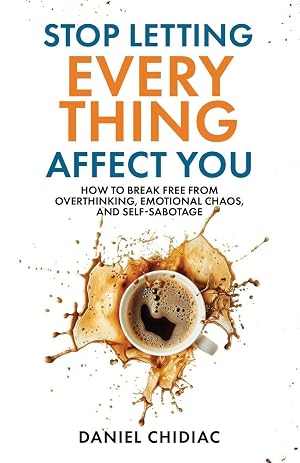
Stop Letting Everything Affect You
Daniel Chidiac
Break Free from Overthinking, Emotional Chaos, and Self-Sabotage
4.8 (12)23 mins
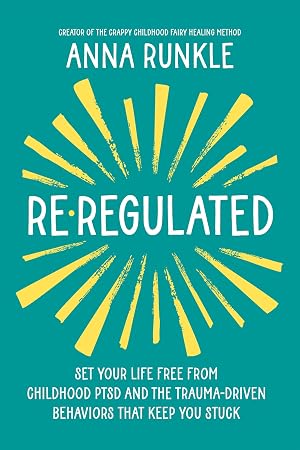
Re-Regulated
Anna Runkle
Set Your Life Free from Childhood PTSD
4.8 (10)21 mins
A Handbook for New Stoics
Massimo Pigliucci and Gregory Lopez
How to Thrive in a World Out of Your Control
4.7 (884)29 mins