
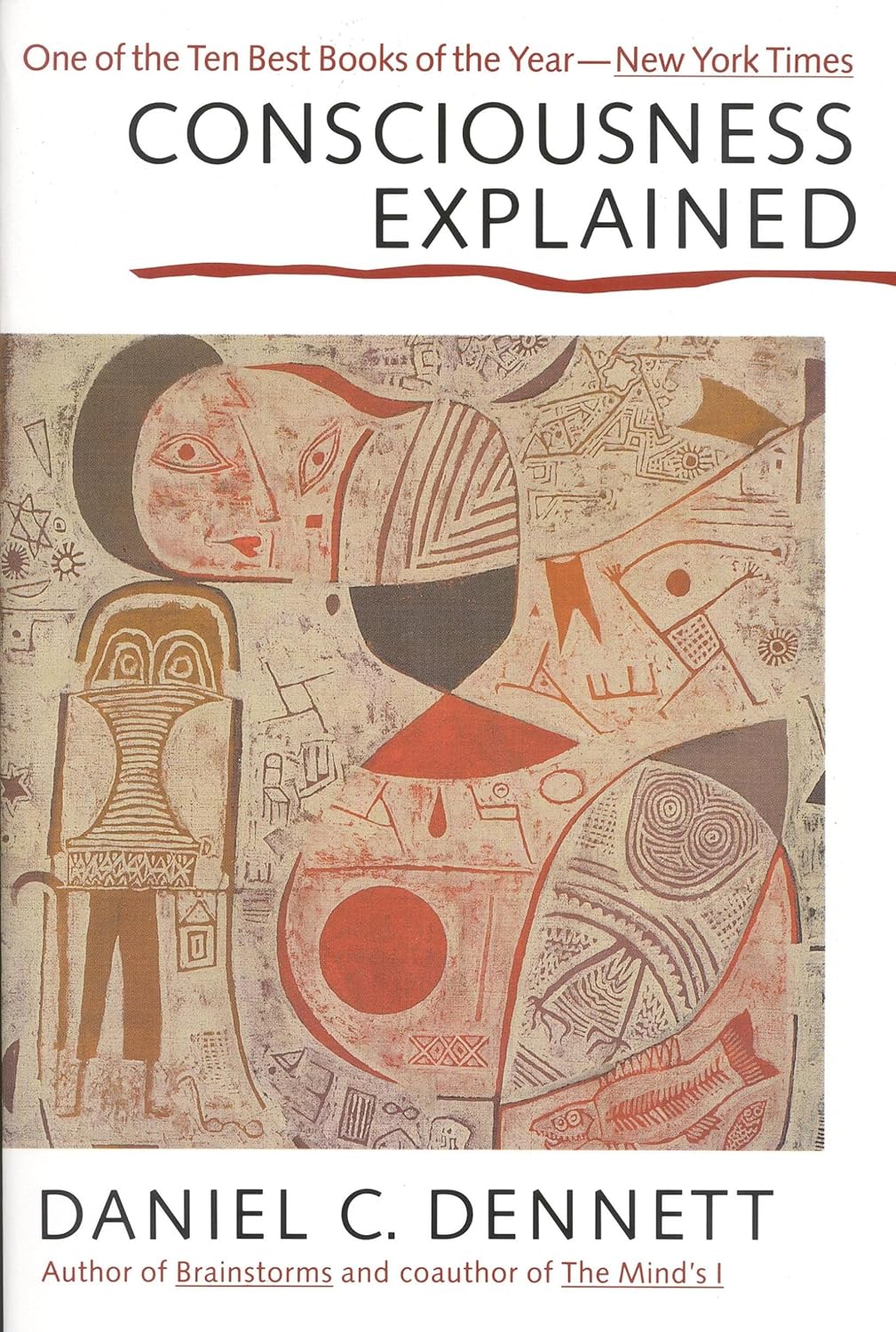
Consciousness Explained Summary
By Daniel C. Dennett
Redefine Your Understanding of the Mind and Consciousness
Summary preview
What is consciousness really? That is the question hovering over every page of this book, and the answer offered here is bold, unsettling, and strangely liberating. Daniel C. Dennett asks you to give up some of the most cherished pictures you probably carry around in your head. He wants you to stop imagining consciousness as a private inner theater, a glowing place in the mind where everything comes together for a tiny audience of one. That picture feels natural. It feels obvious. And, he argues, it is wrong. The book sets out to explain consciousness without magic, without mystery posing as depth, and without any special mental substance hiding behind the scenes. The goal is not to deny that conscious life is real. Quite the opposite. The goal is to show how the rich world of experience can arise from physical processes in the brain without needing a central observer, a final screen, or a ghostly self pulling the strings. What seems like a single, unified stream of awareness is, on this account, the product of many parallel processes unfolding at once, editing, revising, competing, and influencing one another. From the start, you are invited into a friendly demolition job. Familiar ideas are examined one by one. The notion that there must be an exact moment when a perception becomes conscious. The assumption that the brain has to present information to some special inner place. The faith that our first person reports reveal a simple, direct truth about what happens in our minds. All of these come under pressure. What replaces them is a picture that is messier, more distributed, and more biological, yet also more plausible. To get there, the book draws from psychology, neuroscience, philosophy, artificial intelligence, and everyday experience. You move through thought experiments, clinical cases, visual illusions, and arguments about memory, language, time, and the self. For example, odd findings about the brain's timing mechanisms become clues about why our sense of a clean, present moment may be a construction rather than a window. Strange conditions like blindsight and neglect reveal that much can happen in the mind without making it into reportable awareness. Stories about drafts, edits, and narrative help explain why the self can feel both solid and elusive. By the time you are done, consciousness no longer looks like a miracle. It looks like an achievement. It is not a single thing but a complex set of capacities. It is not a hidden place but a pattern of activities. And the promise of the book is that once you stop demanding the wrong kind of explanation, the right kind can finally begin.
Sign up to continue reading
Get access to full book summaries, audio of the summaries, and many more.
Similar Books
Books with a similar vibe—explore more like this.

Psychological Types
Carl Jung
Collected works from the supreme theorist of the conscious
4.7 (89)21 mins
Start Making Sense
Steven J Heine
How Existential Psychology Can Help Us Build Meaningful Lives in Absurd Times
4.3 (12)18 mins
Critical Thinkers
Albert Rutherford
Methods for Clear Thinking and Analysis in Everyday Situations from the Greatest Thinkers in History
4.2 (392)30 mins
The Art of the Good Life
Rolf Dobelli
52 Surprising Shortcuts to Happiness, Wealth, and Success
4.0 (842)34 mins
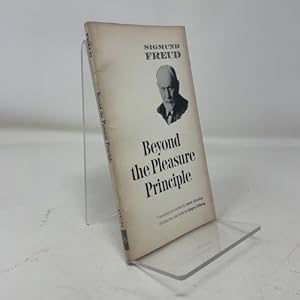
Beyond the Pleasure Principle
Sigmund Freud
Delve Into Unconscious Desires
3.9 (20)13 mins
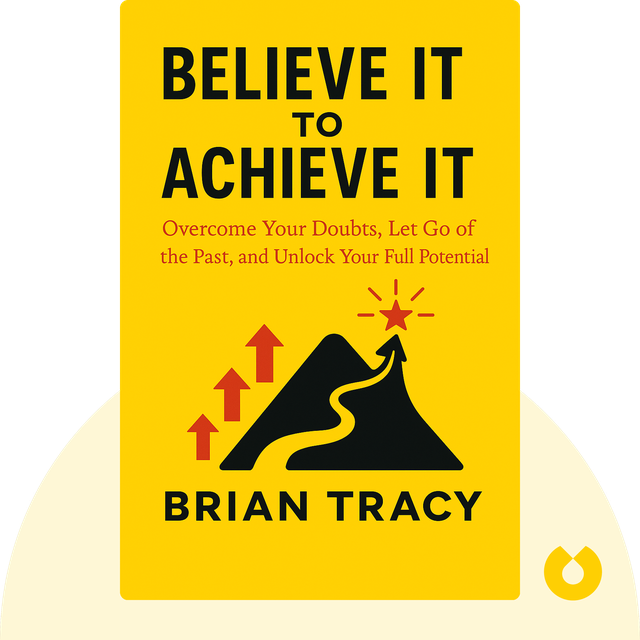
Believe It to Achieve It
Brian Tracy, Christina Stein
Overcome Your Doubts, Let Go of the Past, and Unlock Your Full Potential
4.8 (32)22 mins

Othello
William Shakespeare
Love, Betrayal, and the Fall of a Hero
4.8 (14)22 mins

Stop Letting Everything Affect You
Daniel Chidiac
Break Free from Overthinking, Emotional Chaos, and Self-Sabotage
4.8 (12)23 mins
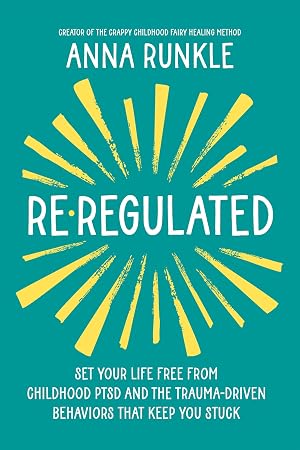
Re-Regulated
Anna Runkle
Set Your Life Free from Childhood PTSD
4.8 (10)21 mins
A Handbook for New Stoics
Massimo Pigliucci and Gregory Lopez
How to Thrive in a World Out of Your Control
4.7 (884)29 mins