
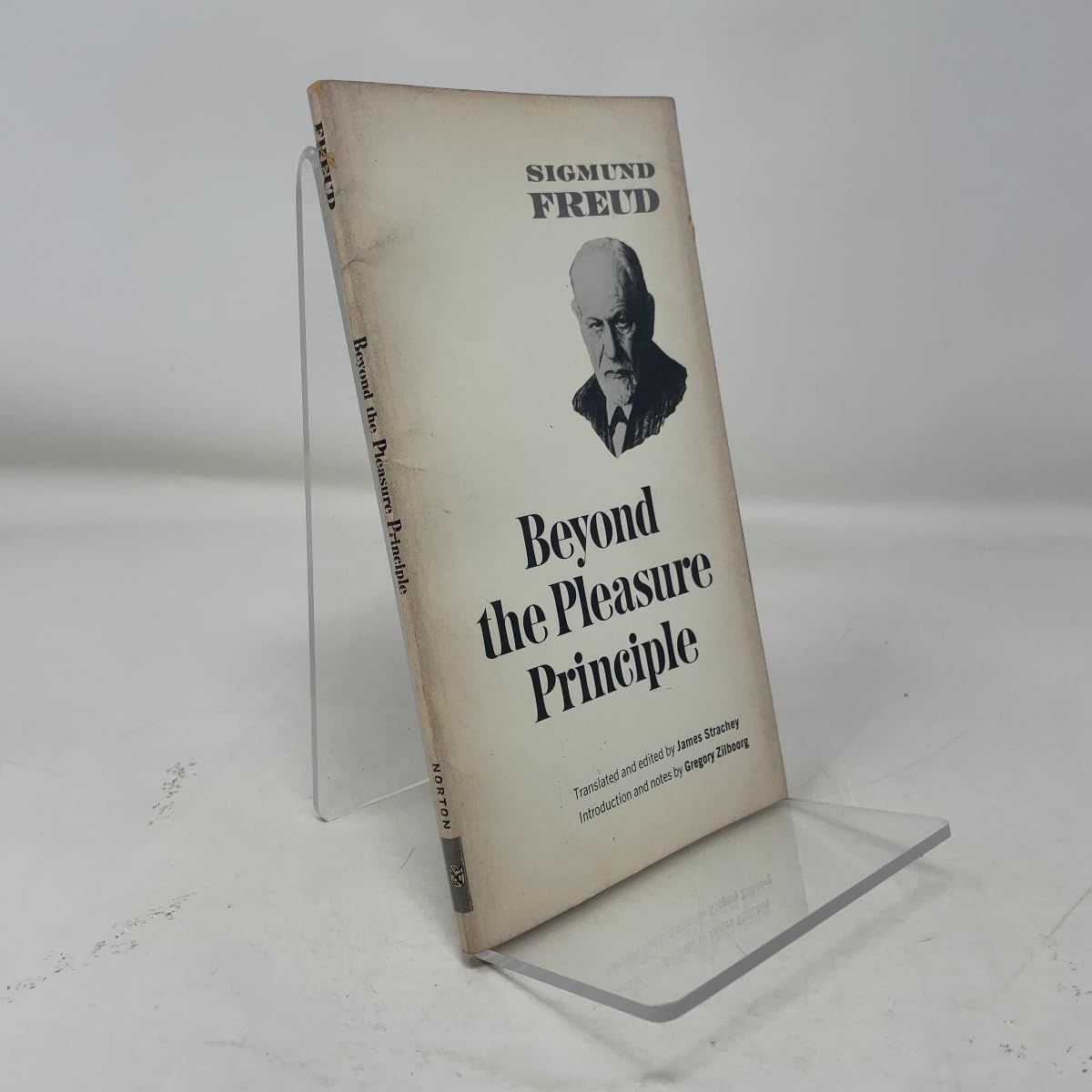
Beyond the Pleasure Principle Summary
By Sigmund Freud
Delve Into Unconscious Desires
Summary preview
There are times when the human mind seems easy enough to understand. We seek what gives pleasure. We turn away from pain. We repeat what satisfies us. That simple picture has great power, and for a while it seems to explain much. Yet life keeps placing before us strange facts that do not fit so neatly. People return in dreams to frightening scenes they would rather forget. Children transform loss and anxiety into repetitive games. Men and women who have suffered in love, war, and illness do not always move toward comfort. They circle back toward distress, almost as if some hidden hand were urging them to relive what wounded them. That is the puzzle at the heart of this book. What follows is an inquiry into those troublesome experiences that seem to go beyond the familiar rule of pleasure. Sigmund Freud begins with observations that are modest and concrete. He looks at traumatic dreams, at the play of a small child, at the stubborn repetitions seen in analysis, and at the ways people seem compelled to recreate painful situations. From these ordinary and clinical scenes, he lets a much larger question emerge. Is the mind governed only by the wish to gain pleasure and avoid unpleasure, or is there another force at work, older and more primitive, pressing living beings toward repetition for its own sake? The movement of the book is part detective story, part daring speculation. It starts close to experience and slowly expands until it reaches the very border between psychology and biology. The argument does not proceed as if everything were settled. It advances by hesitation, by testing possibilities, by admitting doubt, and then by following a clue further than one first expected. That gives the work its peculiar life. You feel a mind thinking in real time, pushing against the limits of its own earlier ideas. At the center stands a shocking proposal. Perhaps there exists in living beings a drive that seeks not growth, joy, or mastery, but a return to an earlier state, a movement back toward stillness. Opposed to this stand the life drives, which bind, preserve, create unions, and make the complicated forms of life possible. Out of this tension comes a new image of mental life, one less harmonious than before, more tragic, and perhaps more truthful. So this is not simply a book about pleasure. It is a book about repetition, trauma, conflict, and the dark persistence of what has not been mastered. It asks why we are drawn to what hurts us, why the past insists on returning, and whether the deepest forces in us are divided between the wish to live and the wish, in some obscure sense, to undo life itself.
Sign up to continue reading
Get access to full book summaries, audio of the summaries, and many more.
Similar Books
Books with a similar vibe—explore more like this.
Psychological Types
Carl Jung
Collected works from the supreme theorist of the conscious
4.7 (89)21 mins
Consciousness Explained
Daniel C. Dennett
Redefine Your Understanding of the Mind and Consciousness
4.4 (42)24 mins
Start Making Sense
Steven J Heine
How Existential Psychology Can Help Us Build Meaningful Lives in Absurd Times
4.3 (12)18 mins
Critical Thinkers
Albert Rutherford
Methods for Clear Thinking and Analysis in Everyday Situations from the Greatest Thinkers in History
4.2 (392)30 mins
The Art of the Good Life
Rolf Dobelli
52 Surprising Shortcuts to Happiness, Wealth, and Success
4.0 (842)34 mins
Believe It to Achieve It
Brian Tracy, Christina Stein
Overcome Your Doubts, Let Go of the Past, and Unlock Your Full Potential
4.8 (32)22 mins

Othello
William Shakespeare
Love, Betrayal, and the Fall of a Hero
4.8 (14)22 mins
Stop Letting Everything Affect You
Daniel Chidiac
Break Free from Overthinking, Emotional Chaos, and Self-Sabotage
4.8 (12)23 mins
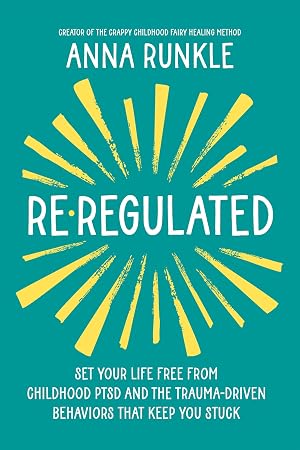
Re-Regulated
Anna Runkle
Set Your Life Free from Childhood PTSD
4.8 (10)21 mins
A Handbook for New Stoics
Massimo Pigliucci and Gregory Lopez
How to Thrive in a World Out of Your Control
4.7 (884)29 mins