
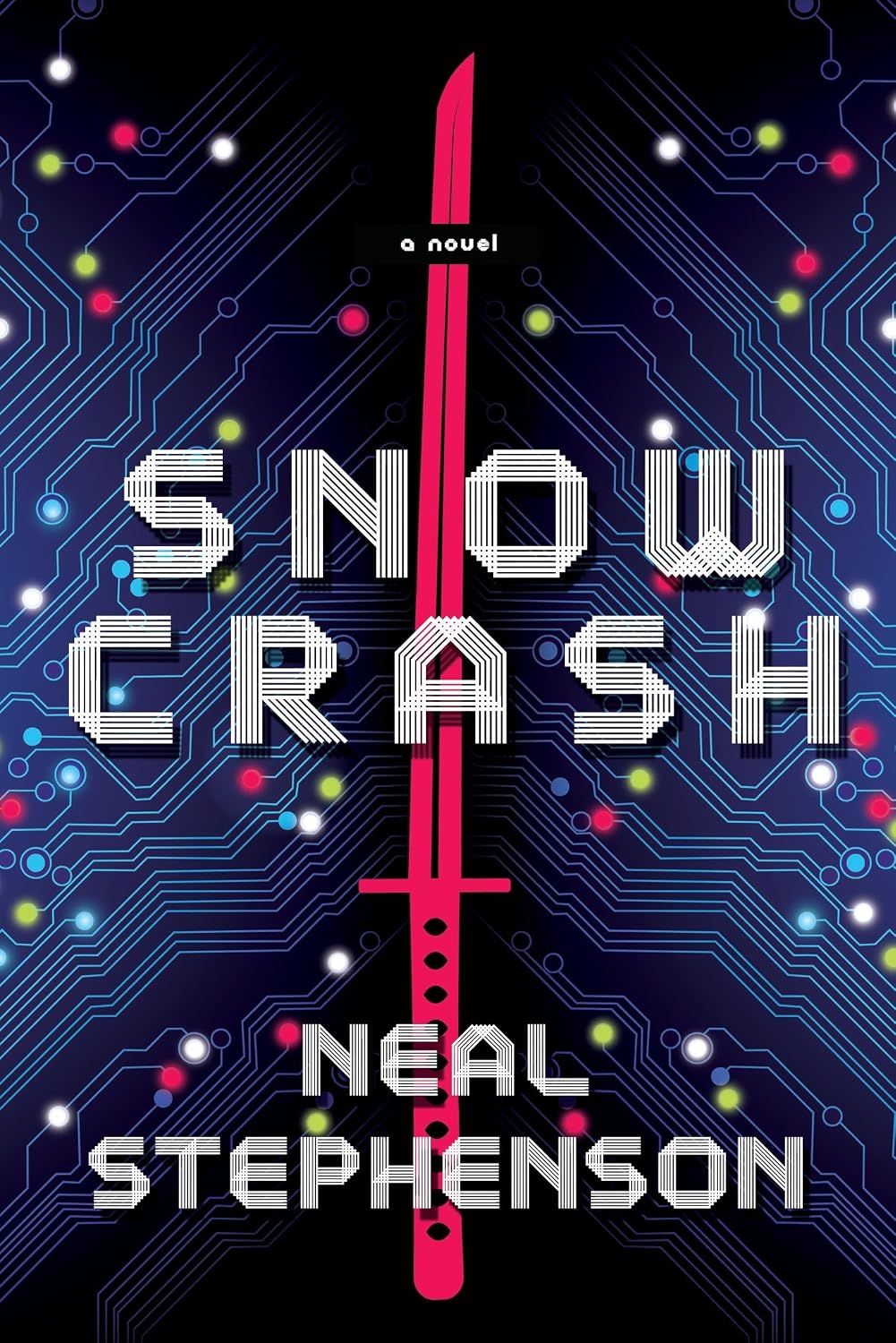
Snow Crash Summary
By Neal Stephenson
Enter the Virtual World With This Cyberpunk Epic
Summary preview
Open this book and the future does not arrive politely. It screeches up to the curb on a pizza delivery run, carrying a swordsman hacker with the improbable name Hiro Protagonist, while the real world has already been chopped into franchised scraps and privatized islands of safety. Money, power, language, religion, software, viruses, myth, and media all get thrown into one roaring machine. What comes out is a story that feels like satire, prophecy, action movie, cyber dream, and ancient epic all at once. At the center is a wild idea that sounds crazy until it starts feeling uncomfortably plausible. Human beings run on codes. Some of those codes live in computers. Some live in brains. Some hide inside stories old enough to be mistaken for religion or civilization itself. The novel takes that hunch and drives it at top speed through a world where governments have gone soft, corporations have gone hard, and the line between virtual reality and physical reality has become thin enough to cut. The Metaverse, a giant shared digital space, is where people work, fight, flirt, trade, and build new selves. Out on the streets, or what remains of them, courier routes and data flows matter as much as bloodlines and borders. Neal Stephenson builds this world with a grin and a knife. He loves systems, jargon, absurd detail, and giant leaps of thought, but he never lets the book sit still long enough to become a lecture. Every big idea gets strapped to a chase, a duel, a puzzle, or a conspiracy. One minute you are hearing about ancient Sumer, glossolalia, and the roots of language. The next minute a teenage skateboard courier named Y.T. is spear hunting a highway convoy at reckless speed. The book keeps asking whether information is just information, or whether some forms of it can seize the body, alter belief, and spread like disease. What makes the story stick is not just its cleverness. It is the strange way its jokes and exaggerations reveal real fears. If the world is fragmented into tribes, franchises, and gated bubbles, who still holds a common language. If media can rewire attention, what happens when someone finds a signal tuned not just to the mind but to something older underneath it. If identity becomes a customizable avatar, what remains vulnerable and real. The novel is both huge and precise. It follows Hiro and Y.T. into a mystery called Snow Crash, first thought to be a new designer drug and then discovered to be something far more dangerous. Around them orbit gangsters, priests, linguists, programmers, mercenaries, refugees, cults, and kings of data. By the end, the story has circled from Sumerian myth to fiber optic capitalism and back again, suggesting that the oldest human technologies may be language, ritual, and narrative themselves.
Sign up to continue reading
Get access to full book summaries, audio of the summaries, and many more.
Similar Books
Books with a similar vibe—explore more like this.
Nineteen Eighty-Four (1984)
George Orwell
A Dystopian Classic on the Dangers of Totalitarianism
4.9 (697) mins
Tomorrow, and Tomorrow, and Tomorrow
Gabrielle Zevin
A Novel
4.5 (4281)24 mins
The Hitchhiker's Guide to the Galaxy
Douglas Adams
A Novel
4.4 (81) mins
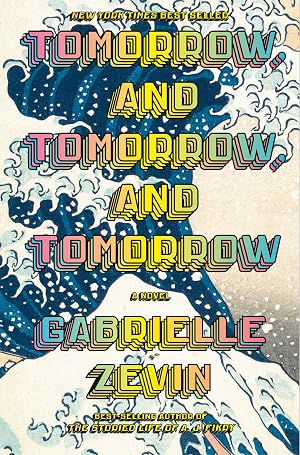
Tomorrow and tomorrow and tomorrow
Gabrielle Zevin
A Novel
3.5 (11) mins
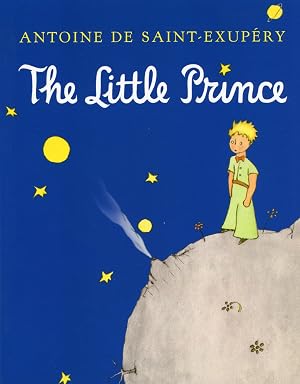
The Little Prince
Antoine de Saint-Exupéry
A Tale About the Human Condition and the Search for Happiness
4.9 (36) mins

The Song of Roland
Anonymous
Enter a World of Medieval Heroism, Where Honor Reigns Supreme
4.9 (3) mins
Hamlet
William Shakespeare
A Young Prince's Tragic Descend Into Madness and Revenge
4.8 (43) mins

Little Women
Louisa M. Alcott
A Coming-of-Age Novel about True Love and Finding One's Place in Life
4.8 (19) mins
We Have Always Lived in the Castle
Shirley Jackson
Enter a Disturbing Labyrinth of Family Secrets and Dark Neurosis
4.8 (5) mins
The Adventures of Huckleberry Finn
Mark Twain
Freedom, Civilization, and Prejudice in the Pre-Civil War South
4.8 (62) mins