
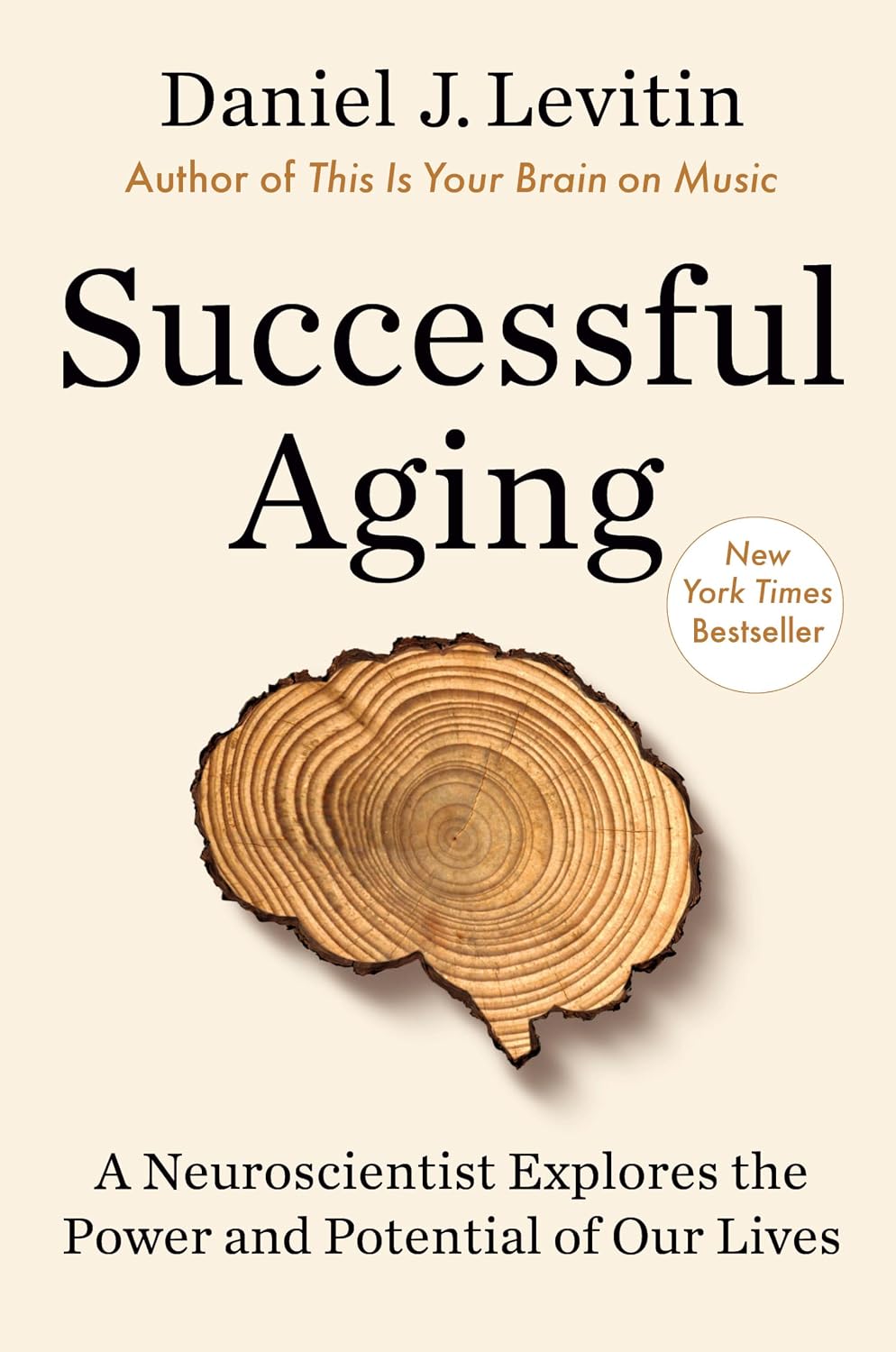
Successful Aging Summary
By Daniel J. Levitin
A Neuroscientist Explores the Power and Potential of Our Lives.
Summary preview
Aging has a bad publicist. We are told, in a thousand quiet and not so quiet ways, that getting older means one long slide into weakness, forgetfulness, loneliness, and loss. We hear that youth is where the real life is, and that everything after midlife is mostly about managing decline. But that story is shallow, incomplete, and in many ways just plain wrong. The deeper truth is that aging is not one thing. It is not a single downhill road. It is a complex, surprising, deeply human process that includes loss, yes, but also adaptation, growth, emotional wisdom, social richness, creativity, and meaning. That is the heart of Successful Aging. Daniel J. Levitin invites you to look at later life with clearer eyes and better science. He wants to strip away myths and replace them with a more balanced understanding of what really happens to the body, the brain, relationships, work, memory, health, and happiness as we grow older. He does not promise immortality, and he does not peddle fantasy. Instead, he offers something much more useful. He shows that many of the things we fear are either exaggerated, misunderstood, or far more manageable than we have been led to believe. The book moves across neuroscience, psychology, medicine, sociology, and everyday life. It asks practical questions. What changes in the brain are normal and what changes signal disease. Why do older adults often become better at emotional regulation even as they slow down in some other areas. How do exercise, sleep, nutrition, friendship, purpose, and community protect us. What habits help people stay mentally sharp and physically capable. Why retirement can feel liberating for some and empty for others. And what can we do now, whether we are young, middle aged, or already old, to shape the years ahead. Along the way, the book keeps returning to an idea that feels both simple and radical. A good old age is not built from one miracle pill, one brain game, or one perfect diet. It is built from systems, routines, relationships, and environments that support human flourishing. It is also built from attitude. The stories we tell about aging influence how we age. If society treats older people as invisible or broken, that does harm. If we make room for contribution, connection, learning, and dignity, we create better lives for everyone. There is also compassion running through these pages. Not everyone starts from the same place. Genes matter. Money matters. Illness and bad luck matter. Inequality leaves marks on the body and mind over a lifetime. So the message is not that every outcome is under personal control. The message is that many important parts are, and that understanding the science gives us a real chance to make wiser choices. What emerges is a fuller picture of later life, one that honors difficulty without being defined by it, and one that suggests aging successfully is less about staying young than about becoming fully, resiliently, intelligently human.
Sign up to continue reading
Get access to full book summaries, audio of the summaries, and many more.
Similar Books
Books with a similar vibe—explore more like this.
Widen the Window
Elizabeth A. Stanley
Training Your Brain and Body to Thrive During Stress and Recover from Trauma
4.8 (158)27 mins
Re-Regulated
Anna Runkle
Set Your Life Free from Childhood PTSD
4.8 (10)21 mins
The Grieving Body
Mary-Frances O'Connor
How the Stress of Loss Can Be an Opportunity for Healing
4.7 (9)22 mins
The How of Happiness
Sonja Lyubomirsky
A New Approach to Getting the Life You Want
4.6 (309)27 mins
My Grandmother's Hands
Resmaa Menakem
Racialized Trauma and the Pathway to Mending Our Hearts and Bodies
4.6 (167)30 mins
Together
Vivek H. Murthy
The Healing Power of Human Connection in a Sometimes Lonely World
4.6 (820)23 mins
Overcoming Unwanted Intrusive Thoughts
Sally M. Winston, Martin N. Seif
A CBT-Based Guide to Getting Over Frightening, Obsessive, or Disturbing Thoughts
4.6 (17)23 mins
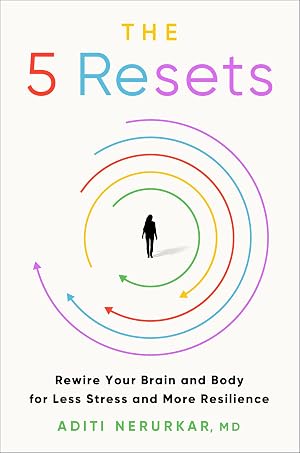
The 5 Resets
Aditi Nerurkar
Rewire Your Brain and Body for Less Stress and More Resilience
4.6 (61)22 mins
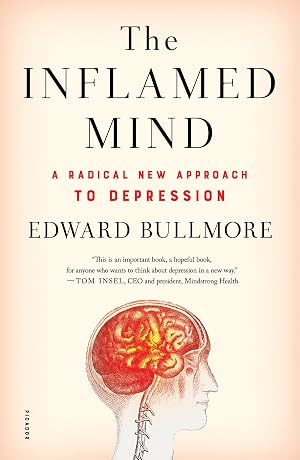
The Inflamed Mind
Edward Bullmore
A Radical New Approach to Depression
4.6 (71)29 mins
Positivity
Barbara L. Fredrickson
Top-Notch Research Reveals the 3 to 1 Ratio That Will Change Your Life
4.5 (984)26 mins