
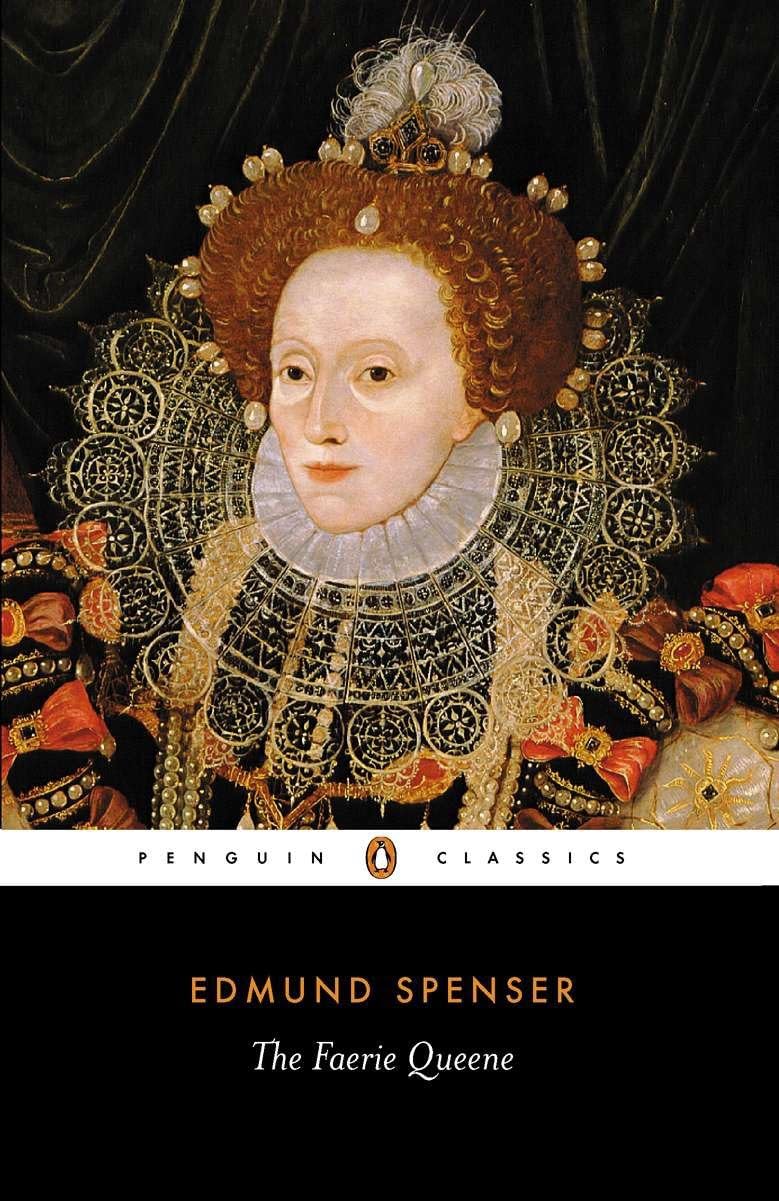
The Faerie Queene Summary
By Edmund Spenser
Discover an Epic Tale of Virtue, Myth, and Magic in This Classic
Summary preview
Come near, and I shall lead you into a land at once bright with pageantry and dark with trial, a land of forests, castles, giants, sorcerers, hermits, ladies in distress, and knights who carry not only spear and shield but also the burdens of the soul. That is the great design of The Faerie Queene, fashioned by Edmund Spenser as a poem of chivalry and moral teaching, where every wandering path means more than it first appears. It is a romance, yes, full of combats and enchantments, yet it is also a map of the inward life. Each knight rides forth to practice a virtue, and each monster, seducer, or maze stands for some peril of the heart and commonwealth. At the center stands the Faerie Queene herself, Gloriana, more distant vision than daily presence, sending her champions into the world on quests. Around her gather figures who are both persons and symbols. The Redcrosse Knight must learn holiness and discover who he truly is. Sir Guyon pursues temperance through scenes of excess and ruin. Britomart, maiden knight, seeks her destined love while embodying chastity not as cold refusal but as steady, noble self command. Cambell and Triamond, and many others in the books of friendship and justice, move through a world where private character and public order belong together. The poem thus stretches from the lonely conscience to the health of a kingdom. This work was left unfinished, and yet it feels immense, like a cathedral partly built but already full of echo and meaning. Its six completed books, with a fragment of a seventh, unfold in a sequence of adventures that are linked less by a single tight plot than by recurring patterns of temptation, fall, repentance, discernment, and right action. To read it is to travel through error toward clearer sight. Splendor and danger walk hand in hand. Fair seeming often hides corruption, while truth may come in plain or wounded form. Again and again the poem asks how one keeps faith in a world crowded with illusion. Though the language can wear antique dress, the heart of the poem is lively and human. Pride still builds glittering houses. Despair still whispers in dark cells. False religion still borrows holy signs. Lust still dresses itself as delight. Justice still struggles when power turns cruel. And hope still arrives, often after long bewilderment, as grace, patience, or steadfast love. The poem means to delight and to teach, and it does so by making moral life visible as adventure. You do not merely hear that virtue matters. You watch it tested in woods at dusk, in palaces of pleasure, before dragons, tyrants, and inward wounds. So let us enter that fair and perilous realm, where every combat is also a question about how to live.
Sign up to continue reading
Get access to full book summaries, audio of the summaries, and many more.
Similar Books
Books with a similar vibe—explore more like this.
The Song of Roland
Anonymous
Enter a World of Medieval Heroism, Where Honor Reigns Supreme
4.9 (3)20 mins
Frankenstein
Mary Shelley
The Modern Prometheus
4.6 (419)24 mins
We Have Always Lived in the Castle
Shirley Jackson
Enter a Disturbing Labyrinth of Family Secrets and Dark Neurosis
4.8 (5)14 mins
Uncle Tom's Cabin
Harriet Beecher Stowe
The Problem of Slavery and Its Treatment of Human Beings
4.7 (41)25 mins

Silas Marner
George Eliot
Uncover a Rich Tapestry of Love, Hope, and Redemption
4.6 (7)22 mins

Tomorrow, and Tomorrow, and Tomorrow
Gabrielle Zevin
A Novel
4.5 (4281)24 mins

Siddhartha
Hermann Hesse
Rediscover the Meaning of Life With This Classic
4.5 (592)24 mins
Macbeth
William Shakespeare
Regicide and Revenge in one of the World's Most Famous Tragedies
4.5 (49)24 mins
The Prince and the Pauper
Mark Twain
A Tale of Two Mirrored Fates
4.5 (82)18 mins
Madame Bovary
Gustave Flaubert
A Tale of Desire and Despair in the Search for Fulfillment
4.4 (20)21 mins