
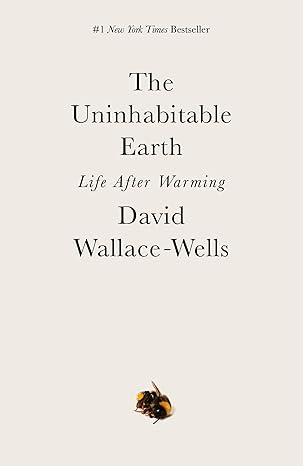
The Uninhabitable Earth Summary
By David Wallace-Wells
A Story of the Future
Summary preview
There was a long stretch of time when climate change was talked about as if it were a distant problem, a matter for future generations, polar bears, or abstract charts with lines slanting upward. This book tries to smash that illusion. It insists that global warming is not a slow moving background issue but the central drama of our century, shaping food, water, migration, politics, war, inequality, and even the stories we tell ourselves about progress. What it asks of you first is not optimism and not despair, but attention. Look directly at what is coming, it says, because only then can you understand the scale of the challenge and the urgency of acting. David Wallace-Wells begins from a blunt and unsettling premise. We know much more than we pretend to know. The science is no longer a hazy warning floating at the edge of public life. It is a body of evidence showing that every fraction of a degree matters and that the world we built was designed for a narrow climate window that we are now forcing open. The title itself is deliberately provocative. The planet will not become literally empty of life. But many places that now support dense, comfortable, stable human societies may become far harder to live in. Heat can make outdoor labor deadly. Drought can break agriculture. Rising seas can swallow coastlines. Fires can erase whole towns. Disease can travel in new patterns. Economic systems can wobble under compound shocks that arrive all at once. What makes the book so gripping is that it does not treat climate as one issue among many. It shows how warming reaches into everything. It alters the chemistry of the oceans, the behavior of storms, the safety of cities, the movement of people, and the confidence of democracies. It also confronts a moral temptation that has shaped climate discussion for years, which is the desire to soften the story so people will not turn away. This book goes the other way. It believes that understatement has been one of the great failures of the climate era. If the danger is civilizational, then saying so plainly is not alarmism but honesty. Still, this is not simply a catalog of horrors. Running through it is a second argument, just as important as the first. Climate change is not fate. It is the result of human choices, especially around fossil fuels, consumption, growth, and power. That means the future remains open. There are many possible warming pathways, many possible political responses, and many possible social outcomes. The world could become much more brutal, unequal, and unstable. It could also be pushed, through fear or solidarity or necessity, toward dramatic change. The book asks you to hold both truths at once. The threat is immense, and agency remains real.
Sign up to continue reading
Get access to full book summaries, audio of the summaries, and many more.
Similar Books
Books with a similar vibe—explore more like this.
Entangled Life
Merlin Sheldrake
How Fungi Make Our Worlds, Change our Minds and Shape Our Futures
4.8 (949)29 mins
Farmageddon
Philip Lymbery with Isabel Oakeshott
The True Cost of Cheap Meat
4.8 (5) mins
The Mosquito
Timothy C. Winegard
A Human History of Our Deadliest Predator
4.8 (37) mins
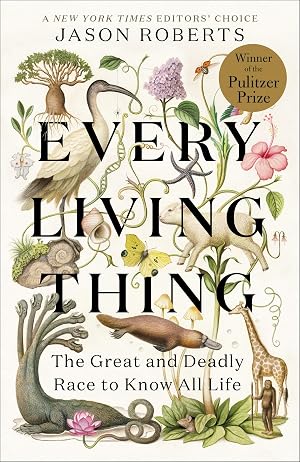
Every Living Thing
Jason Roberts
The Great and Deadly Race to Know All Life
4.8 (7) mins
An Immense World
Ed Yong
How Animal Senses Reveal the Hidden Realms Around Us
4.7 (950)17 mins
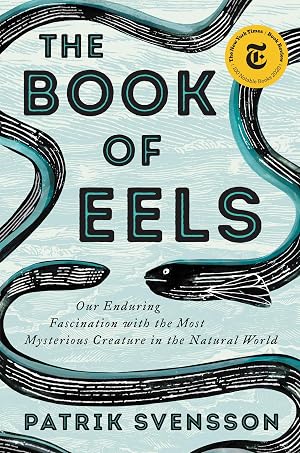
The Book of Eels
Patrik Svensson
Our Enduring Fascination with the Most Mysterious Creature in the Natural World
4.7 (9) mins
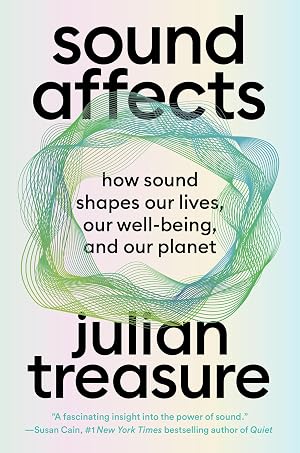
Sound Affects
Julian Treasure
How Sound Shapes Our Lives, Our Wellbeing and Our Planet
4.7 (10) mins
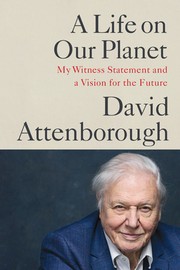
A Life on Our Planet
David Attenborough
My Witness Statement and a Vision for the Future
4.6 (223)22 mins
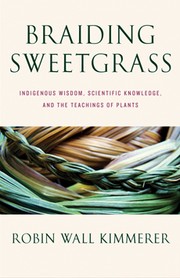
Braiding Sweetgrass
Robin Wall Kimmerer
Indigenous Wisdom, Scientific Knowledge and the Teachings of Plants
4.6 (582)23 mins
How to Avoid a Climate Disaster
Bill Gates
The Solutions We Have and the Breakthroughs We Need
4.6 (642)34 mins