
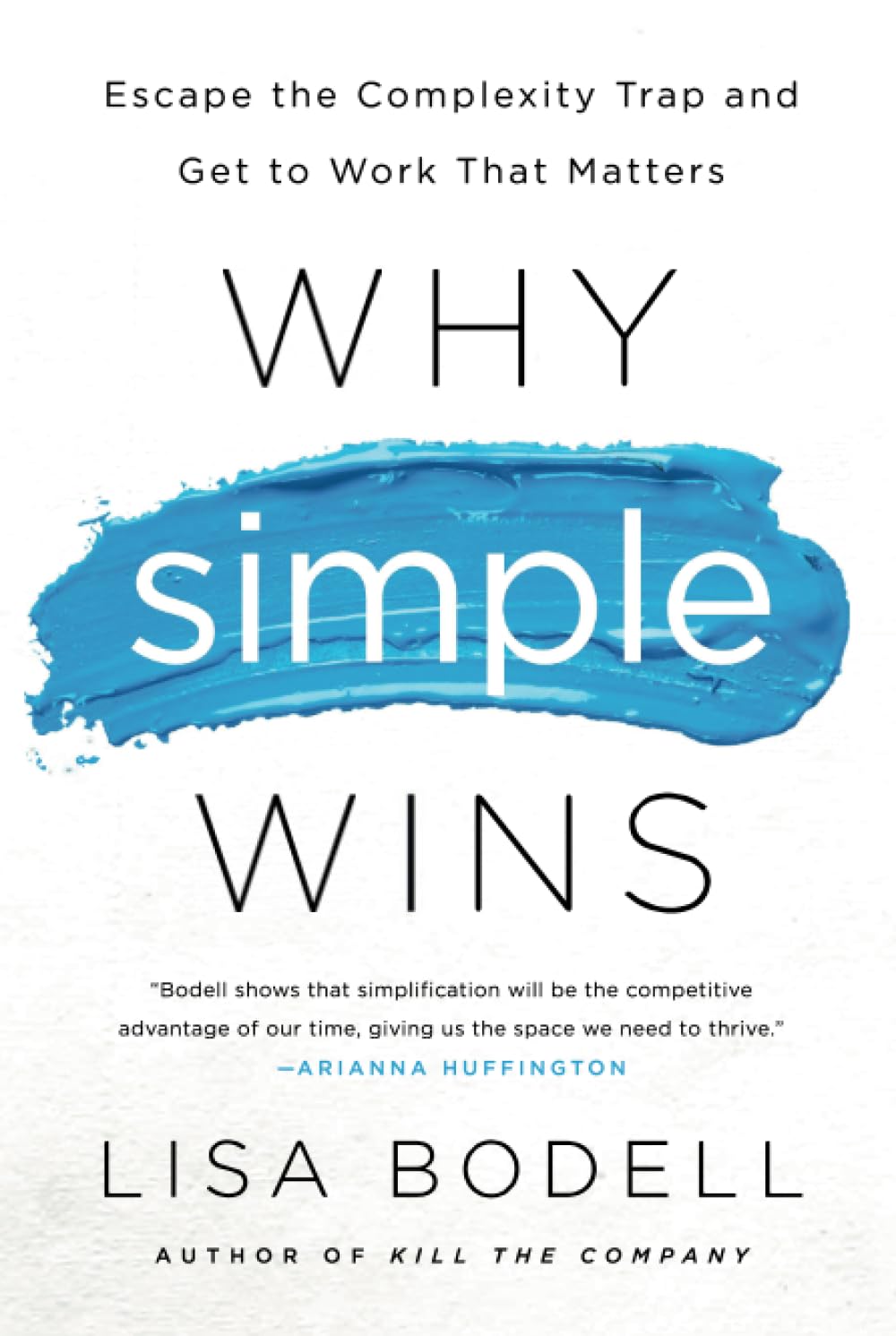
Why Simple Wins Summary
By Lisa Bodell
Escape the Complexity Trap and Get to Work that Matters
Summary preview
Most of us do not wake up hoping to make work harder. We do not dream of longer meetings, thicker reports, endless approvals, or inboxes so full they feel like a second job. Yet somehow that is exactly what many organizations create. They pile on process, rules, reviews, priorities, and tools until the real work gets buried under the work of managing work. That is the problem at the heart of Why Simple Wins. It is a practical, urgent call to stop worshipping complexity and start clearing it away so people can think better, move faster, and create more value. Lisa Bodell argues that simplicity is not soft, nice, or naive. It is a serious competitive advantage. In a world that changes quickly, the companies that win are not the ones with the most layers, the most forms, or the most meetings. They are the ones that can adapt. They are the ones that can decide without drama, communicate without confusion, and make space for new ideas. Complexity slows all of that down. It exhausts people. It makes innovation harder. It turns talented employees into process managers and leaves customers feeling frustrated. The book pushes against a deep habit many leaders share. When faced with a problem, they add. They add another rule, another step, another system, another committee. Addition feels responsible. It feels safe. But often it creates a bigger mess. The real discipline is subtraction. That means asking what can be removed, stopped, shortened, combined, or ignored. It means noticing all the things that once had a purpose but now simply take up time. It also means recognizing that complexity is not just operational. It is emotional. It creates fear, hesitation, and a constant sense of overload. What makes this book lively is that it does not stay at the level of theory. It is full of stories, examples, and tools that show how simplicity can become a habit. The message is not to become careless or simplistic. It is to become clear. To create organizations where people understand what matters, where leaders reward focus instead of busyness, and where saying no is just as important as saying yes. At its core, this is a book about freedom. Freedom from needless friction. Freedom to spend more time on meaningful work. Freedom to make room for innovation instead of talking about it while calendars fill up with status checks. Simplicity, here, is not a cosmetic cleanup. It is a way of leading, deciding, and working that gives people their energy back. And once you see how much waste complexity creates, it becomes very hard to accept it as normal.
Sign up to continue reading
Get access to full book summaries, audio of the summaries, and many more.
Similar Books
Books with a similar vibe—explore more like this.
Next Play
Alan Stein Jr.
Improve Team Performance, Productivity, and Fulfillment
4.9 (34)26 mins
How to Be a Star at Work
Robert E. Kelley
9 Breakthrough Strategies You Need to Succeed
4.6 (34)28 mins
Process!
Mike Paton, Lisa González
How Discipline and Consistency Will Set You and Your Business Free
4.6 (5)23 mins
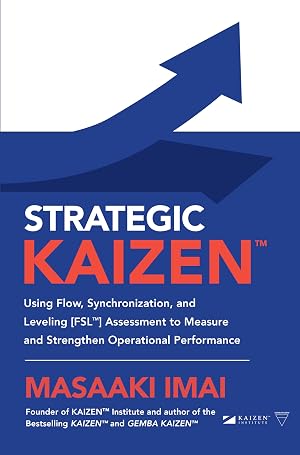
Strategic Kaizen™
Masaaki Imai
Using Flow, Synchronization, and Leveling Assessment to Measure and Strengthen Operational Performance
4.6 (22)26 mins
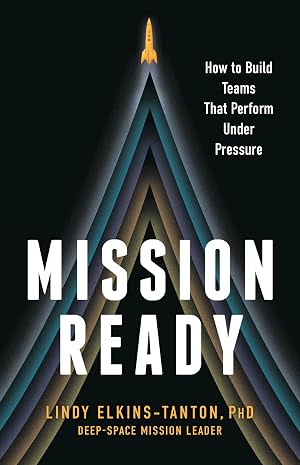
Mission Ready
Lindy Elkins-Tanton
How to Build Teams That Perform Under Pressure
4.5 (6)22 mins

Team
David Allen, Edward Lamont
Getting Things Done with Others
4.4 (525)21 mins
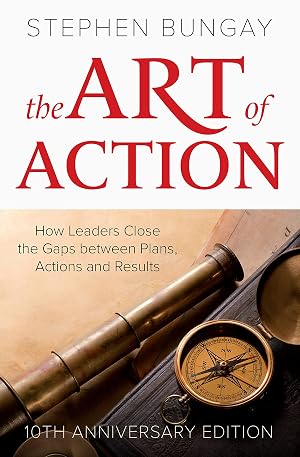
The Art of Action
Stephen Bungay
How to Close the Gaps between Plans, Actions, and Results
4.4 (20)25 mins
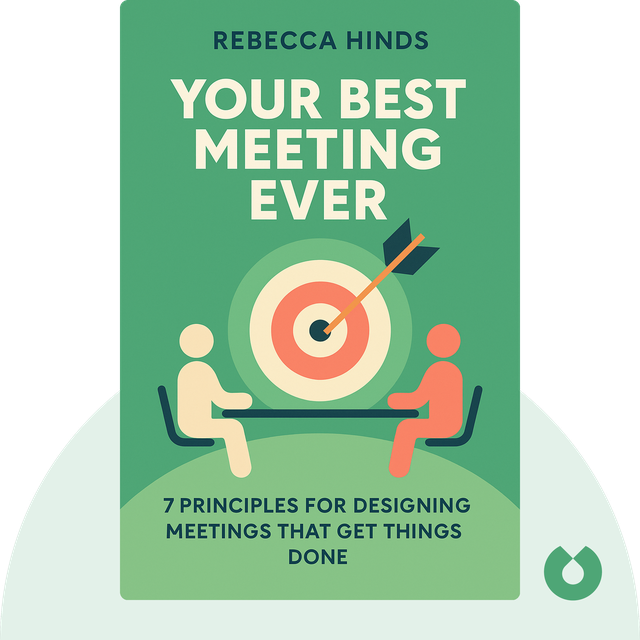
Your Best Meeting Ever
Rebecca Hinds
7 Principles for Designing Meetings That Get Things Done
4.4 (13)24 mins
Leveling Up
Ryan Leak
12 Questions to Elevate Your Personal and Professional Development
4.4 (22)28 mins
This Is Strategy
Seth Godin
Make Better Plans
4.3 (367)25 mins