
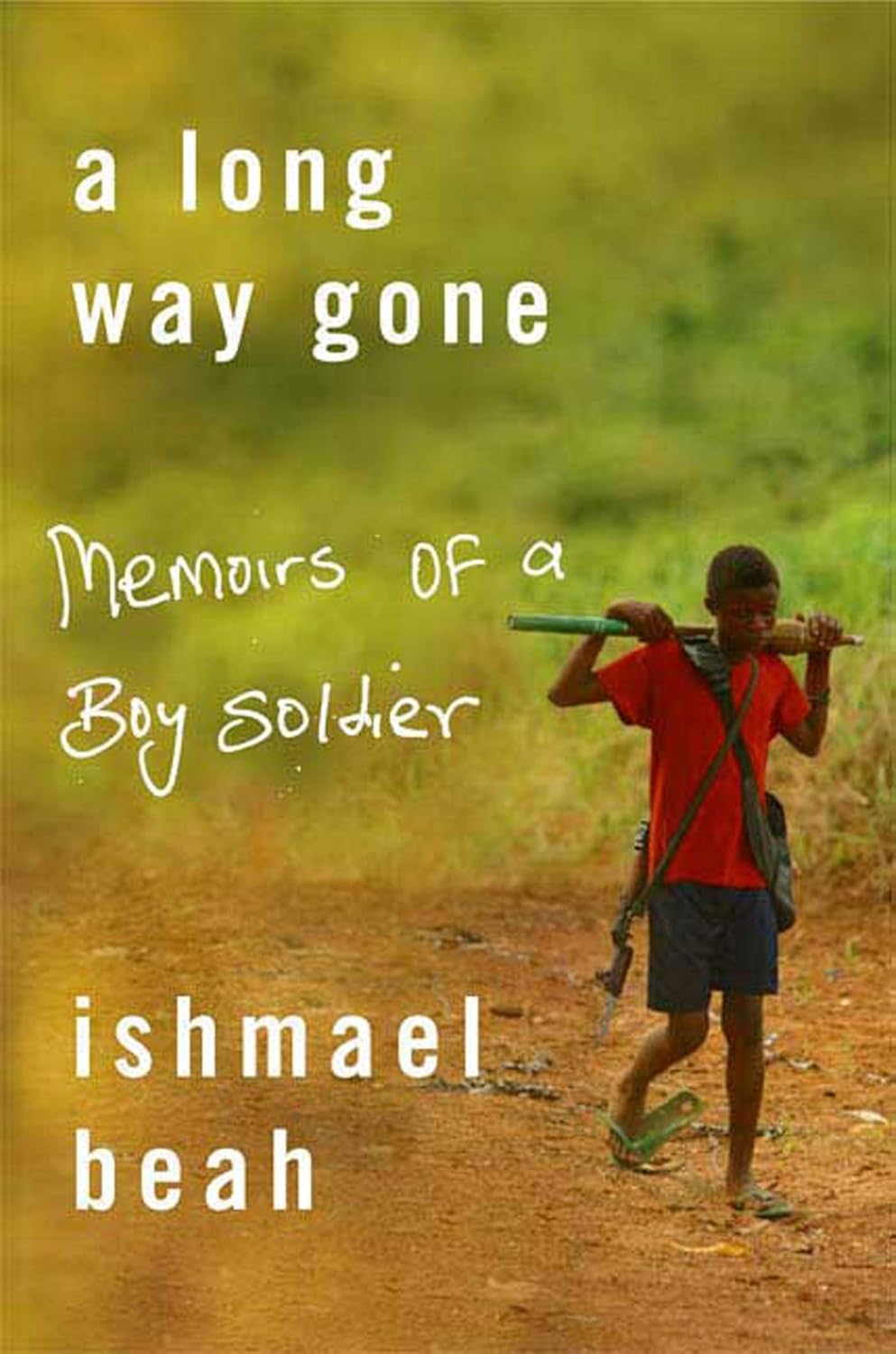
A Long Way Gone Summary
By Ishmael Beah
Memoirs of a Boy Soldier
Summary preview
There are some stories that ask you to listen from a safe distance. This is not one of them. This story pulls you close and asks you to walk barefoot through dust, fear, memory, and survival. A Long Way Gone is a memoir about what war does to a child, and what it takes for that child to remain human. It begins with ordinary things. Music. Friends. Family. A village life shaped by laughter, chores, and dreams. Then civil war tears through Sierra Leone and turns everything familiar into something dangerous. Roads become traps. Villages become smoke. Strangers become threats. Childhood becomes something that can vanish in a single afternoon. What makes this book so powerful is not only the suffering it describes, but the voice carrying it. Ishmael Beah tells his story with the closeness of memory and the sharpness of someone who has had to look directly at things many people turn away from. He lets you feel the confusion first. A boy hears rumors about rebels. Adults whisper. People run. No one really understands how fast life can collapse until it already has. From there, the story moves through hunger, loss, terror, numbness, violence, and then, slowly and painfully, toward healing. This is a memoir of becoming a refugee inside your own country, of wandering from village to village with almost nothing, trying to stay alive while the world grows smaller and crueler. It is also a memoir of being pulled into war as a child soldier, trained to kill, fed anger, and stripped of softness piece by piece. The book does not hide that transformation. It shows how violence enters the mind, how revenge is planted, and how a child can be made to believe that death is normal. At the same time, it refuses the easy lie that a person is only the worst thing he has done. Running through all of it is the question of memory. What do you hold on to when everything has been taken from you. A rap lyric. A story told by your grandmother. The sound of a name. The taste of food from home. These small things become anchors. They remind the boy in the story that before war named him soldier, he was simply a child. By the time the memoir reaches its later pages, it has become about more than survival. It becomes about whether healing is possible after horror, whether trust can return after betrayal, whether a future can be built from ruins. The answer is never simple. Pain does not disappear because someone offers kindness. Nightmares do not leave because peace talks begin. But this story insists that even after immense damage, the human spirit can still reach for life. That is what gives the book its force. It is brutal, yes, but it is also deeply alive.
Sign up to continue reading
Get access to full book summaries, audio of the summaries, and many more.
Similar Books
Books with a similar vibe—explore more like this.
Bedtime Biography: Yes I Can
Sammy Davis, Jr. and Jane and Burt Boyar
The Story of Sammy Davis Jr.
4.9 (7)26 mins

American Lion
Jon Meacham
Andrew Jackson in the White House
4.9 (16)35 mins
Rise Up, Women!
Diane Atkinson
The Remarkable Lives of the Suffragettes
4.8 (5)25 mins
Bedtime Biography: Edison
Edmund Morris
A look into the unknown stories of Thomas Edison's life
4.8 (36)23 mins

Lawrence in Arabia
Scott Anderson
War, Deceit, Imperial Folly and the Making of the Modern Middle East
4.8 (41)39 mins

Beethoven
Laura Tunbridge
A Life in Nine Pieces
4.7 (24)34 mins
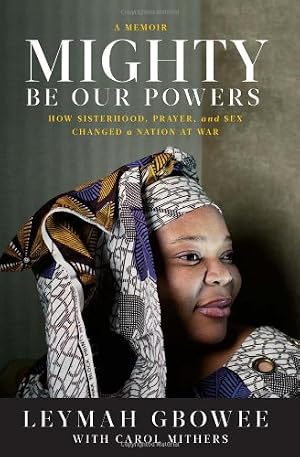
Mighty Be Our Powers
Leymah Gbowee with Carol Mithers
How Sisterhood, Prayer, and Sex Changed a Nation at War
4.7 (4)25 mins
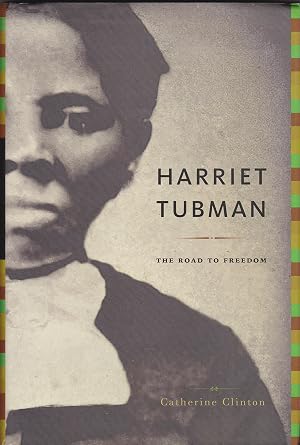
Bedtime Biography: Harriet Tubman
Catherine Clinton
The Road to Freedom
4.7 (34)26 mins
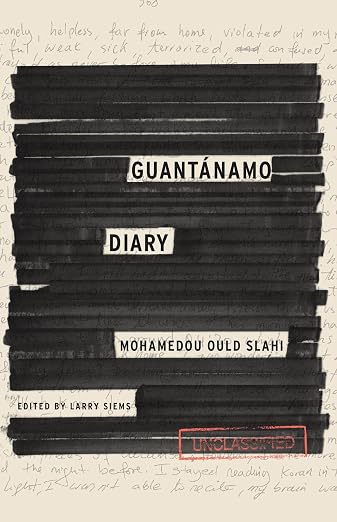
Guantánamo Diary
Mohamedou Ould Slahi, edited by Larry Siems
Guantanamo from the Inside
4.7 (3)27 mins
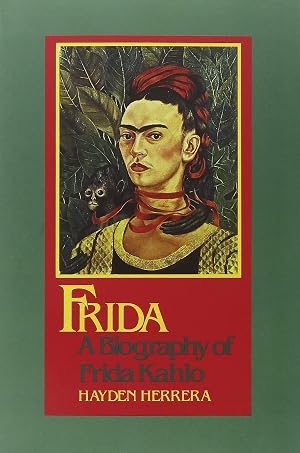
Bedtime Biography: Frida
Hayden Herrera
A Biography of Frida Kahlo
4.7 (12)21 mins